

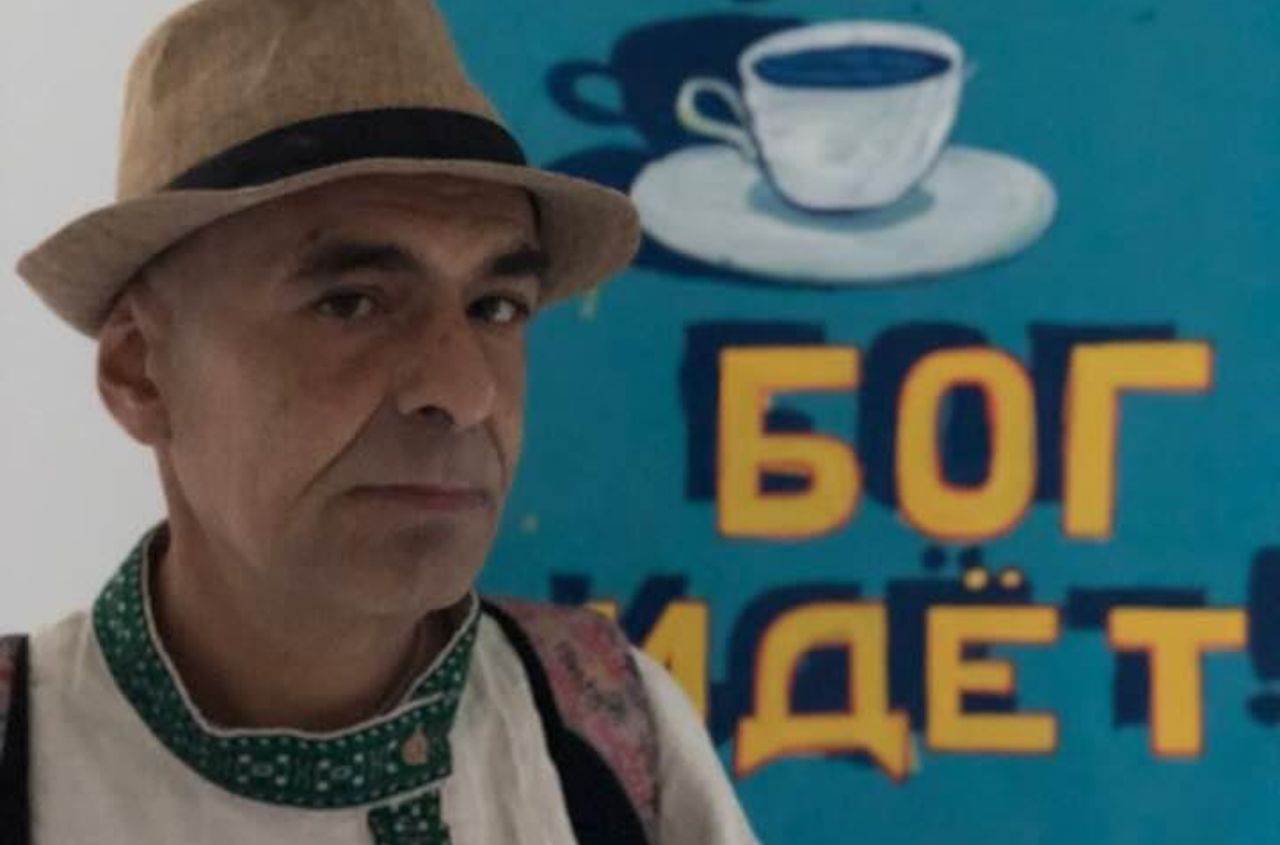

Main image: Sergey Anufriyev
The eighteenth interview through images by Andrew Sheptunov.
Sergey Anufriyev is a pivotal figure in radical conceptualism and "non-conformist aesthetics." More than just an artist, he is a thinker and one of the key architects of post-Soviet art, whose creative geography was forged within the dynamic triangle of Odessa — Kyiv — Moscow.
His legacy cannot be confined within the borders of a single country: Anufriyev’s works, which often appear naive or even childlike at first glance, conceal a profound theoretical foundation rooted in hermeneutics, psychoanalysis, and mythology.
The significance of Anufriyev is inseparable from his role as a co-founder of the legendary group "Inspection Medical Hermeneutics" alongside Yuriy Leiderman and Pavlo Peppershtein. This collective became an intellectual powerhouse, developing a unique language where rigorous conceptual logic merged with psychedelic myths. Anufriyev’s work from this period explored the "empty sign" and the threshold between reality and fiction.
While moving actively between cultural capitals, Anufriyev always remained a carrier of a unique "southern" code. Even at the epicenter of the Moscow art scene, he consistently promoted the ideas of Odessa conceptualism, acting as an agent of Odessa’s influence. He integrated specific Odessa humor, port aesthetics, and a distinct "relaxed" philosophy into the rigid structures of metropolitan conceptualism, creating a unique synthesis.
However, the geography of his influence extends far beyond the post-Soviet space. A crucial milestone was the decade he spent working in Europe. The intellectual impulse generated by "Medical Hermeneutics" was so profound that in Belgium, for instance, a whole generation of artists emerged as followers of Anufriyev and Peppershtein, adopting and reinterpreting their methods.
Today, Sergey Anufriyev continues to develop his own theoretical approach known as "Patternism." This movement seeks out basic structures and archetypal forms that underpin human perception. Due to this approach, he is often called a "conceptual storyteller"; he creates paintings and graphic works that function simultaneously as rigorous philosophical constructs and easily readable stories.
To delve deeper into the multilayered world of Sergey Anufriyev, we offer readers a unique format: a conversation where the artist responds not with words, but with images. We asked him about the key milestones of his career—from the "Empty Sign" and "Medical Hermeneutics" to his Odessa roots and his ironic take on contemporary art. In response to each question, the artist has selected one or more of his works that provide the most accurate and exhaustive visual answer.
Presented below are 12 questions for Sergey Anufriyev, where his personal visual code serves as the primary dialogue.
1. Show us the work that most vividly conveys the "Odessa spirit"—its humor, bohemia, proximity to the sea, or specific port aesthetics.
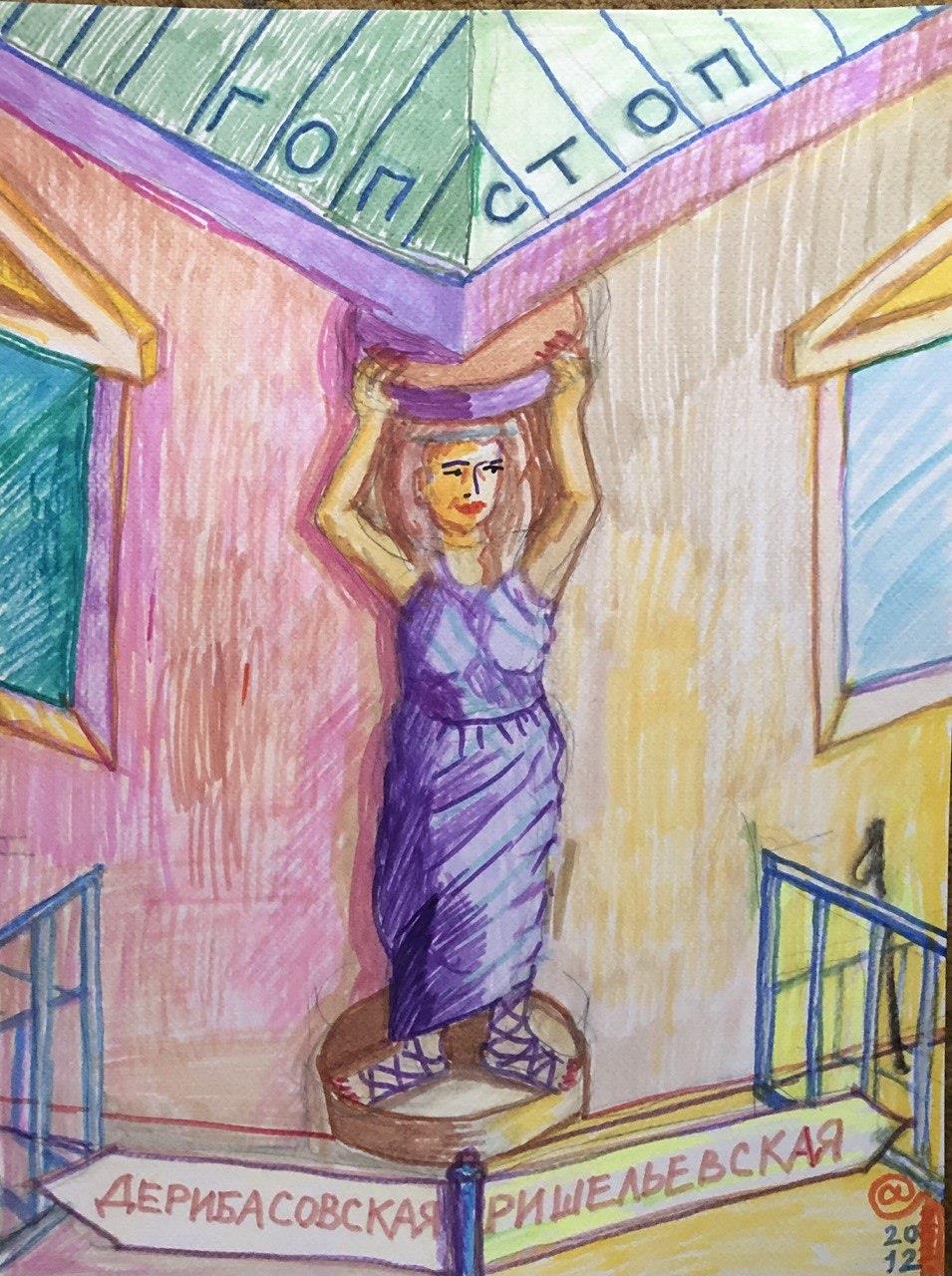
2. Which of your works best illustrates the concept of the "Empty Sign" or the "zero situation" characteristic of your early period?
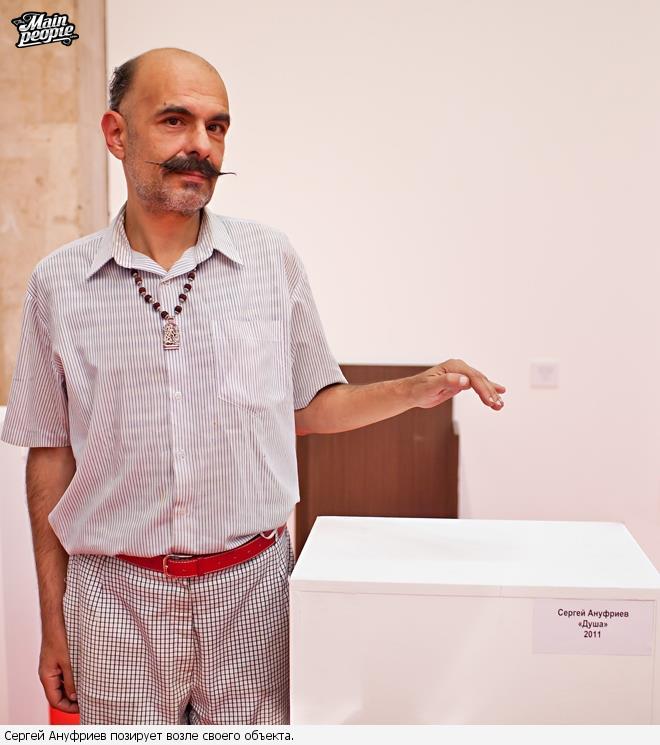
3. Name the piece that became a turning point, marking your "exit from the dead-end of the Black Square" and transition to new forms.
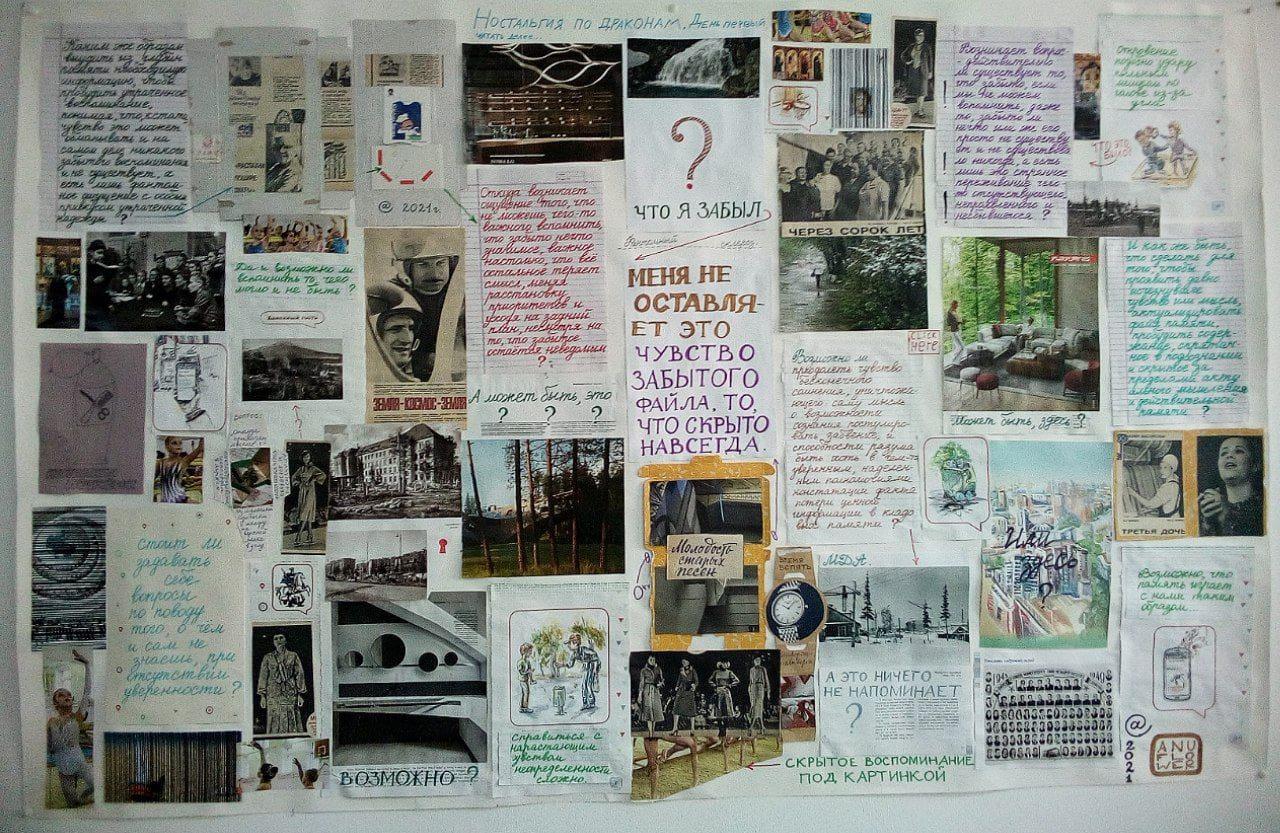
4. Through which work would you like to present yourself—as a self-portrait or your most personal statement about being an artist?
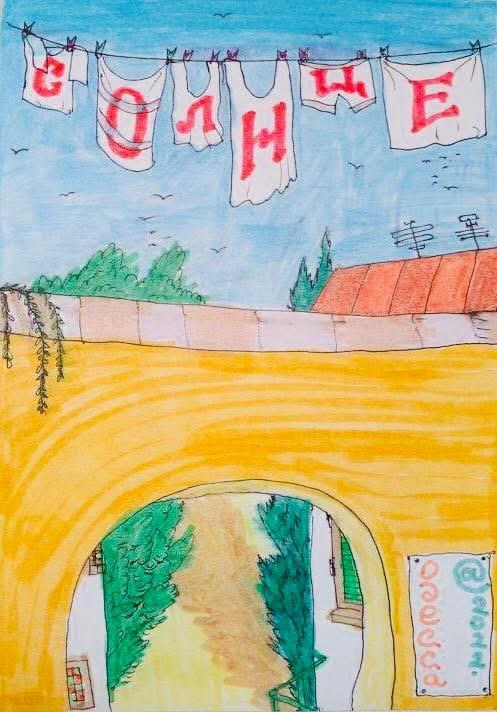
5. In your view, which of your art objects is the most powerful, yet most "useless" in a practical sense—something you couldn't even hang in a kitchen?
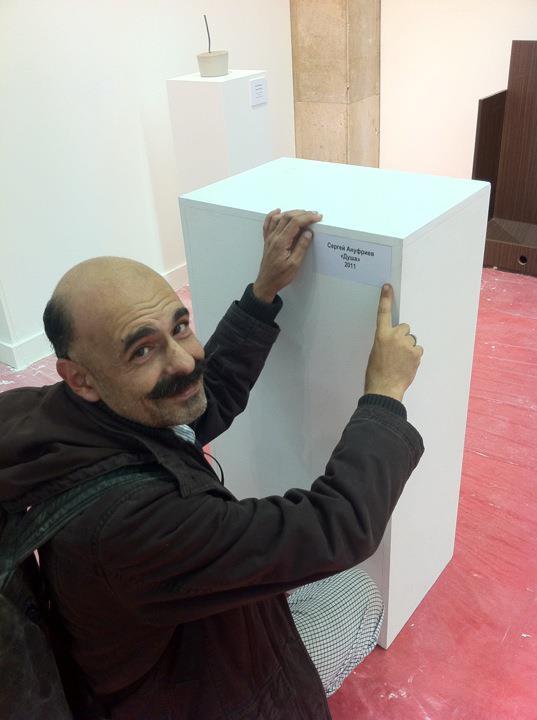
6. Which work, in your opinion, possesses the longest "history" or "discourse"—the most extended, branching narrative preceding the idea itself?
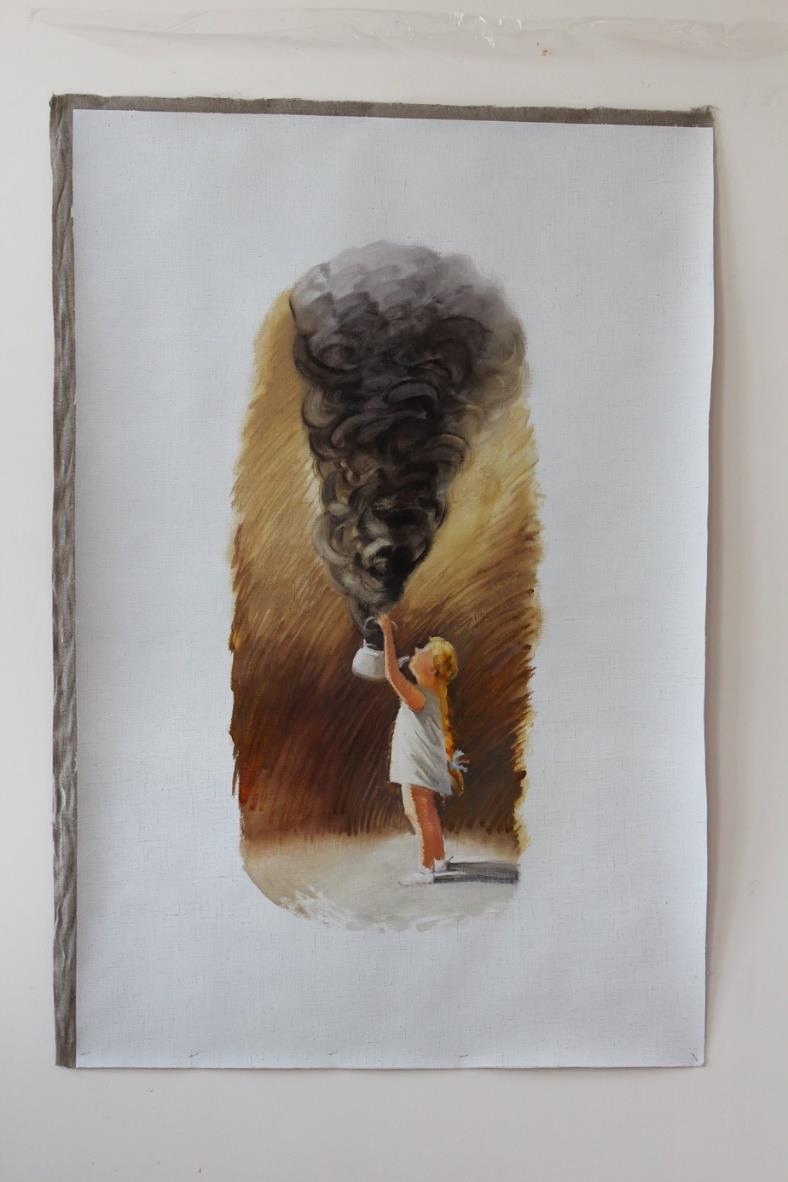
7. Among your works in ceramics, glass, or sculpture, which do you consider most significant in the context of your graphic and painterly heritage?
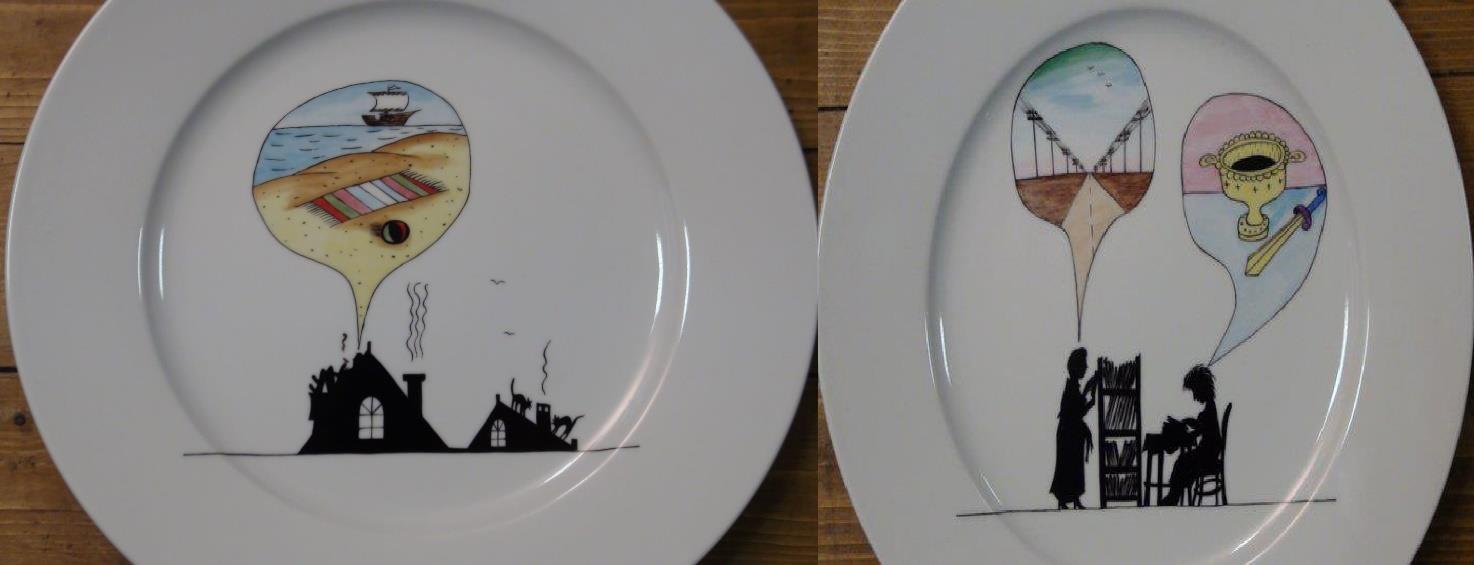
8. Which of your works has been most "transformed" or "reborn" (for instance, after destruction or oblivion), becoming a symbol of the life cycles of art?
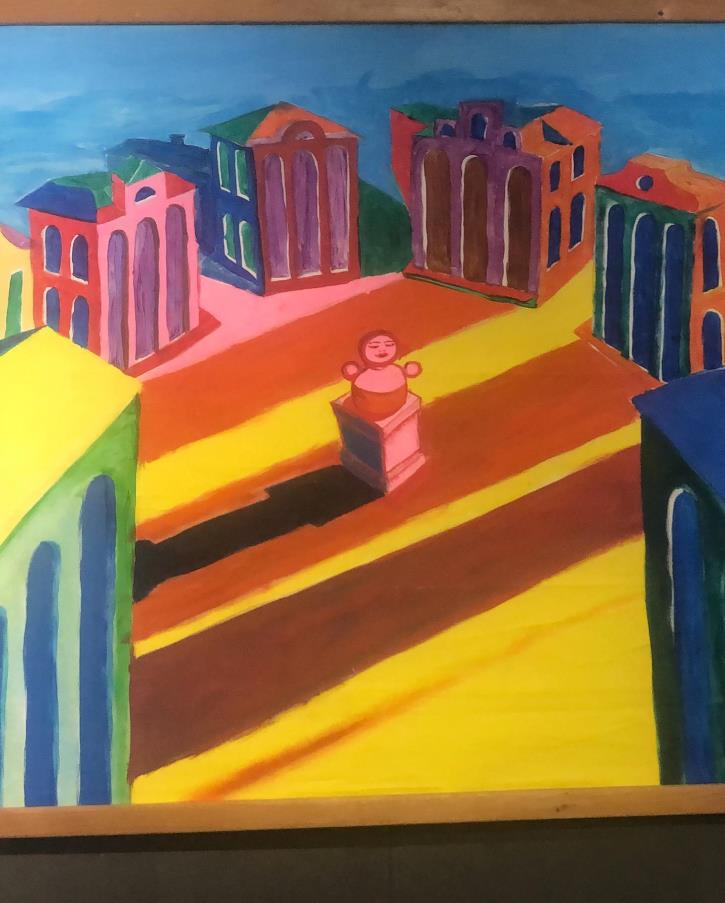
9. Point to a work that demonstrates your unique "intersection with children's drawings" or an appeal to naive art.
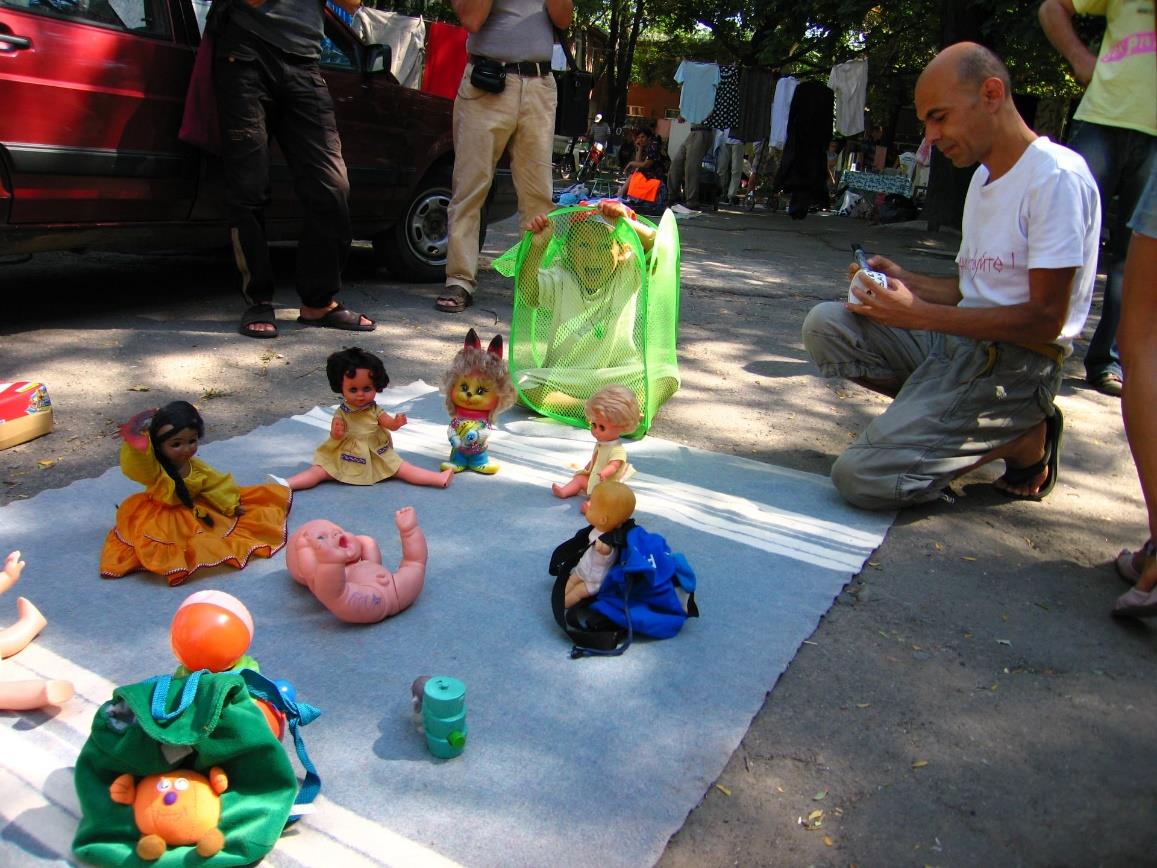
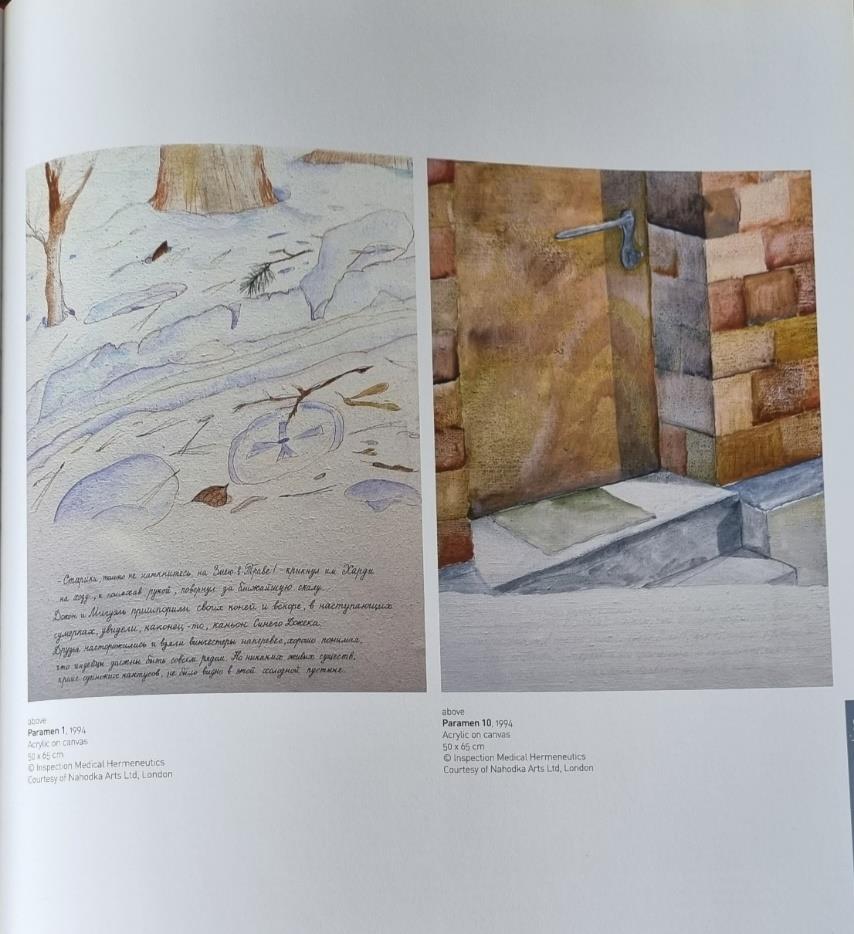
10. Which piece requires the longest and most convoluted excursion into the history of "Medical Hermeneutics" for a viewer to understand it?
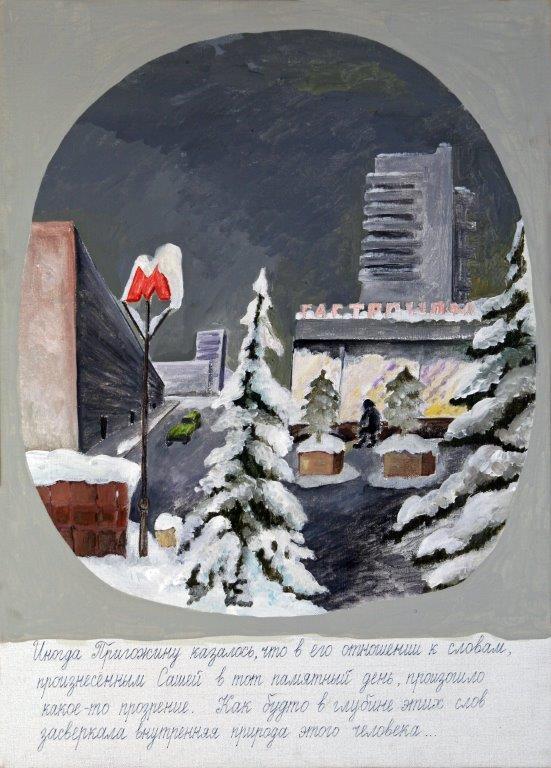
11. With which work do you make your strongest statement about the role of the artist in the modern world?
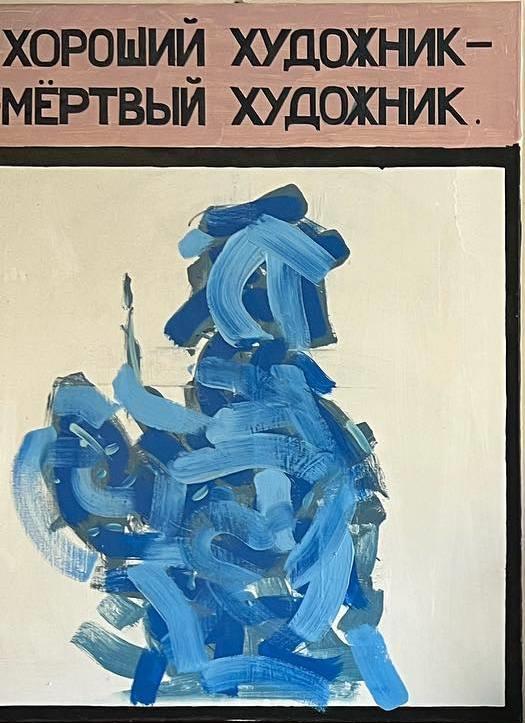
12. Which work created in recent years do you perceive as the clearest "Trace into the Future," defining the vector of your subsequent creativity?
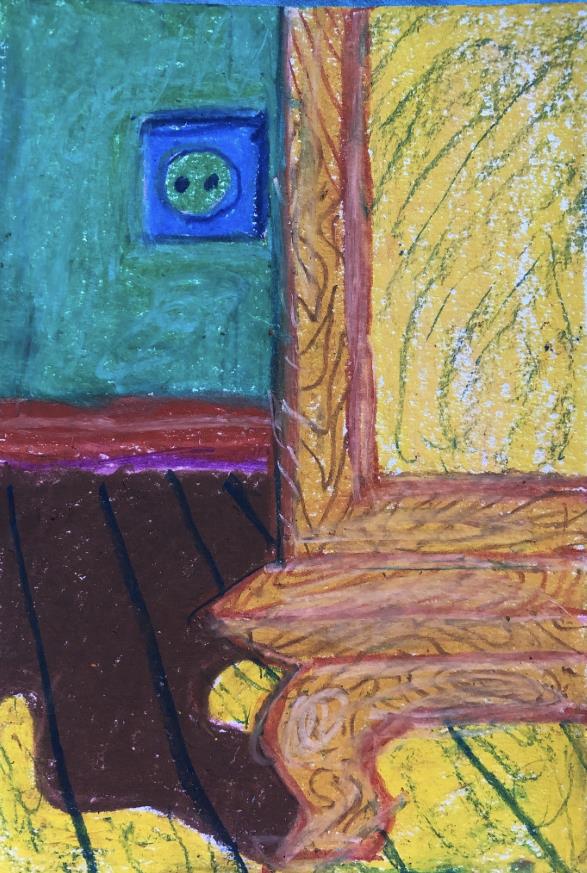
This dialogue with Sergey Anufriyev through his works confirms that conceptualism is not merely a cold intellectual distance, but a living, constantly mutating organism. From the ironic "Dead Artist" to the futuristic "Easy Watch," the author leads us through labyrinths of meaning where Odessa meets metaphysics, and a child's drawing meets fundamental philosophy.
In this visual sequence, we see more than just the dry fixation of ideas; we see a genuine "fairy tale" about how art survives, transforms, and continues to ask questions even when it seems all answers have been given. Anufriyev remains true to himself: he does not explain the world, but provides us with the tools (or patterns) to see its complexity and beauty for ourselves.
Follow the Work of Sergey Anufriyev To ensure you don’t miss the new chapters of this endless conceptual story, follow the artist’s official pages. There you will find more graphics, theoretical notes, and exclusive insights into contemporary art processes:
- Facebook: Sergey Anufriyev
- Instagram: @sergeyanufriev