


Sanctions imposed by the West after the full-scale invasion of Ukraine continue to strangle key sectors of the Russian economy, turning export-oriented industries into victims of global isolation. Among them, the timber industry—once one of the main pillars of Moscow’s raw material exports—is facing a catastrophic decline, which, according to forecasts, will only accelerate in the coming months. Russian Deputy Minister of Industry and Trade Mikhail Yurin admitted that if current economic conditions persist or worsen, the downward trend will intensify rapidly, turning the sector into yet another symbol of the Kremlin’s economic decay.
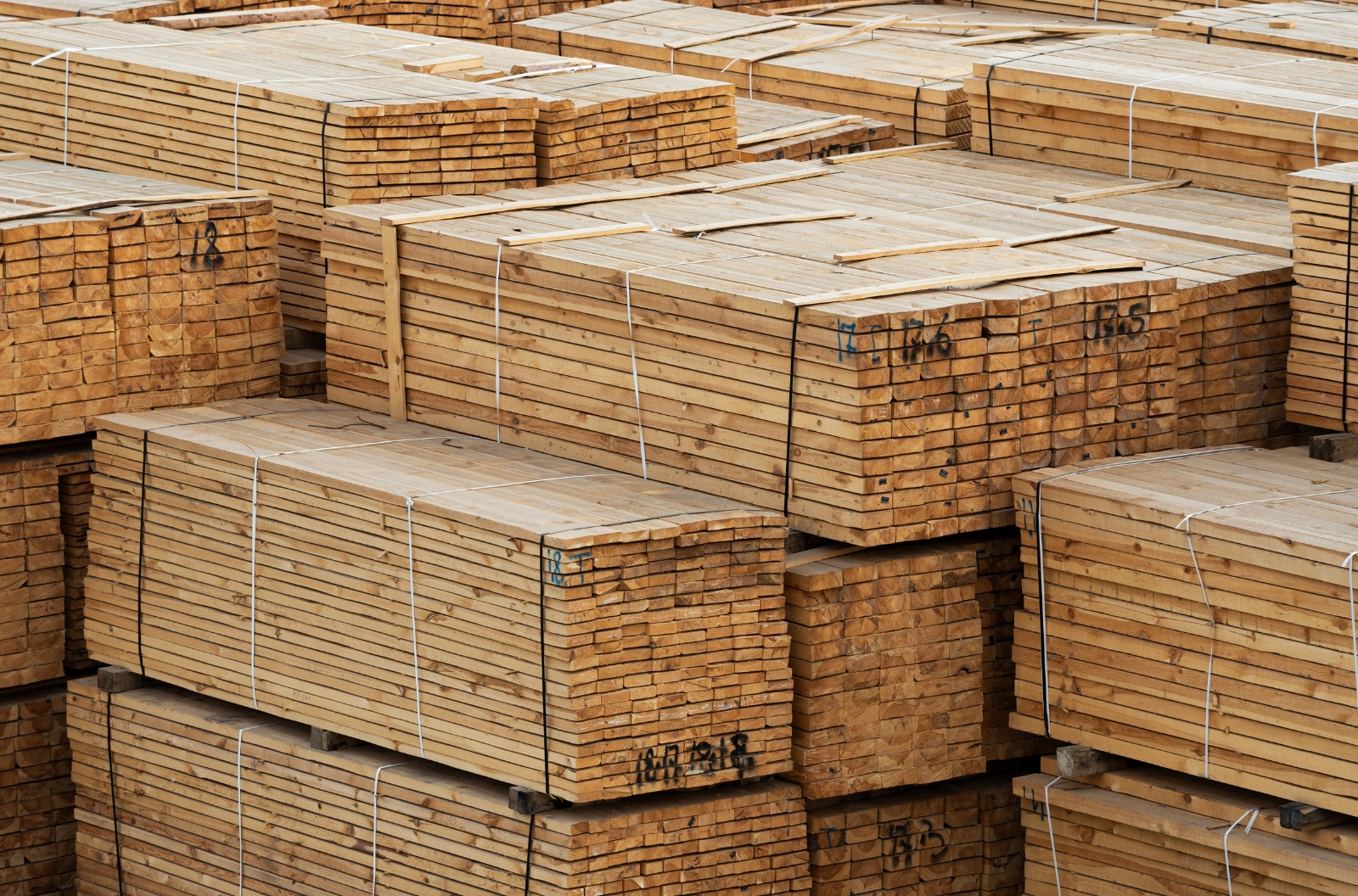
In the worst-case scenario—with the current key interest rate, tighter monetary policy, and sanctions—production could collapse by an additional 20–30%. Segments such as lumber, plywood, and pulp are already doomed to decline due to shortages of raw materials, technology, and markets. Secondary and tertiary sanctions are closing loopholes in China and Asia, forcing capacity cuts and layoffs.
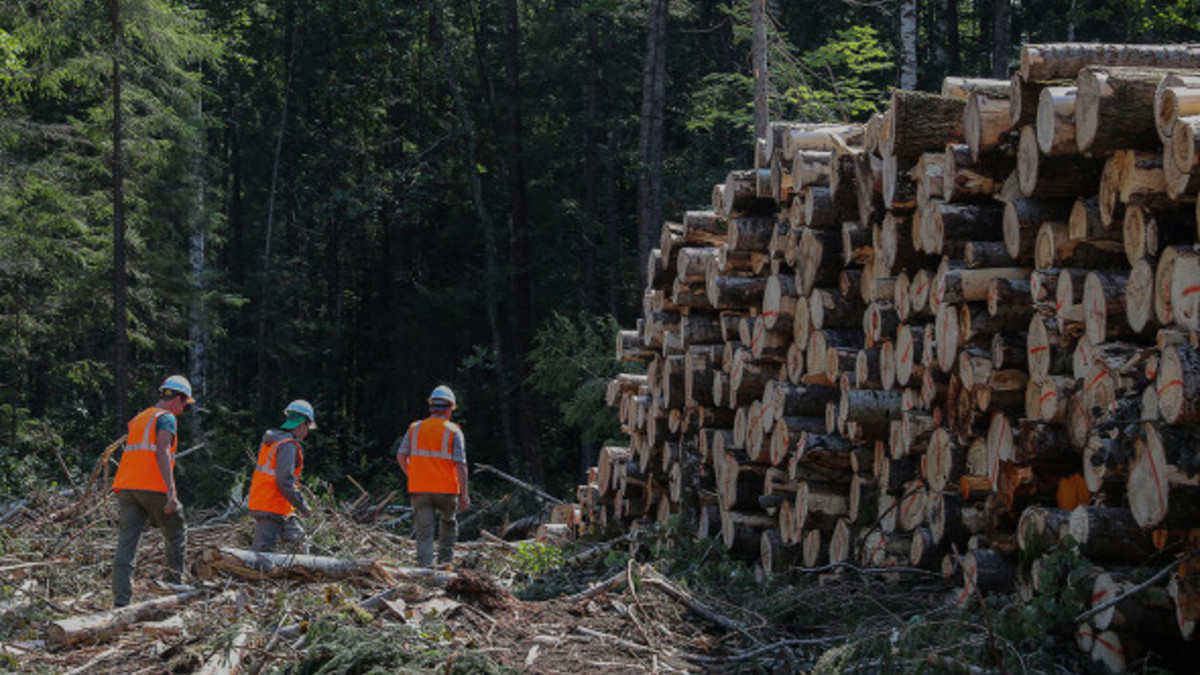
Exports of the sector have fallen to $9.8 billion compared to the 2021 peak, reflecting both boycotts and logistical barriers. Logging is barely holding on: in 2025, a maximum of 180 million cubic meters is expected, compared to 188 million in 2023 and 194.6 million in 2022. This decline signals a deepening recession of Russia’s raw material-based economic model.