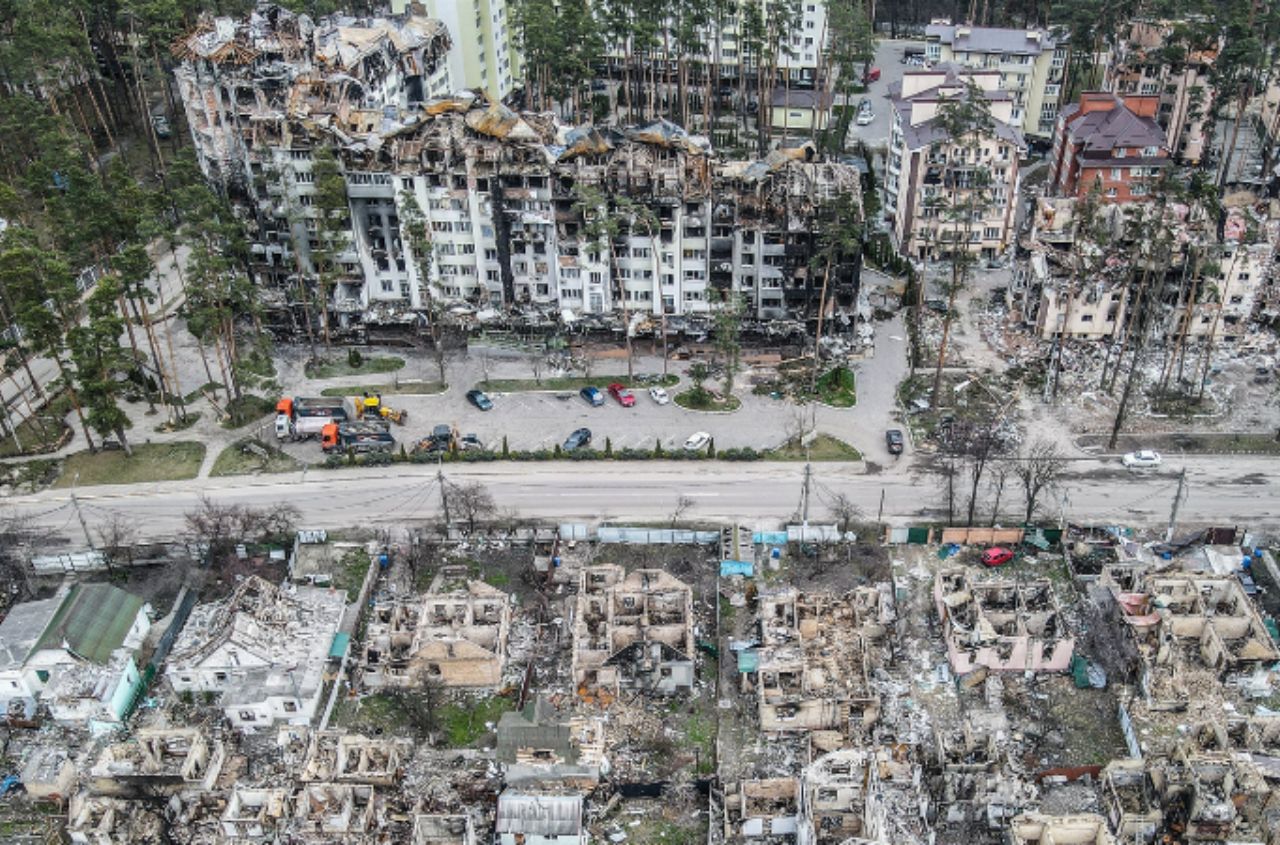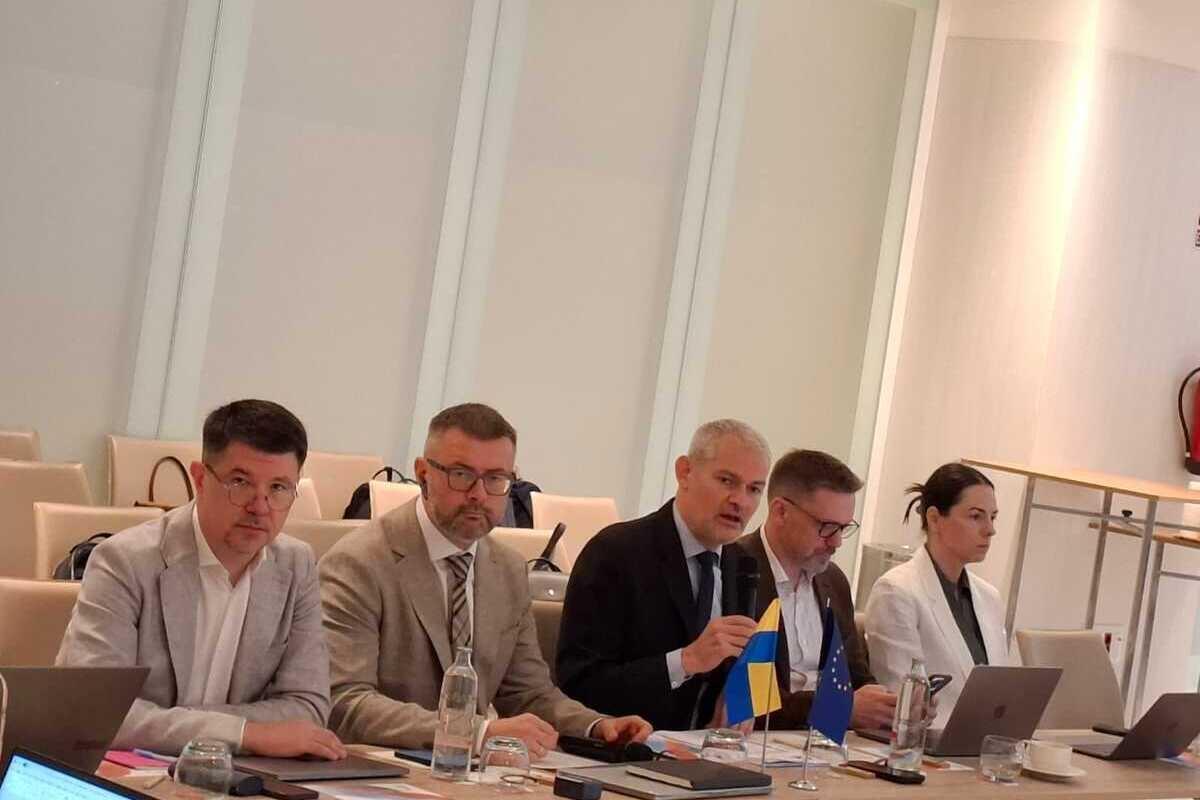


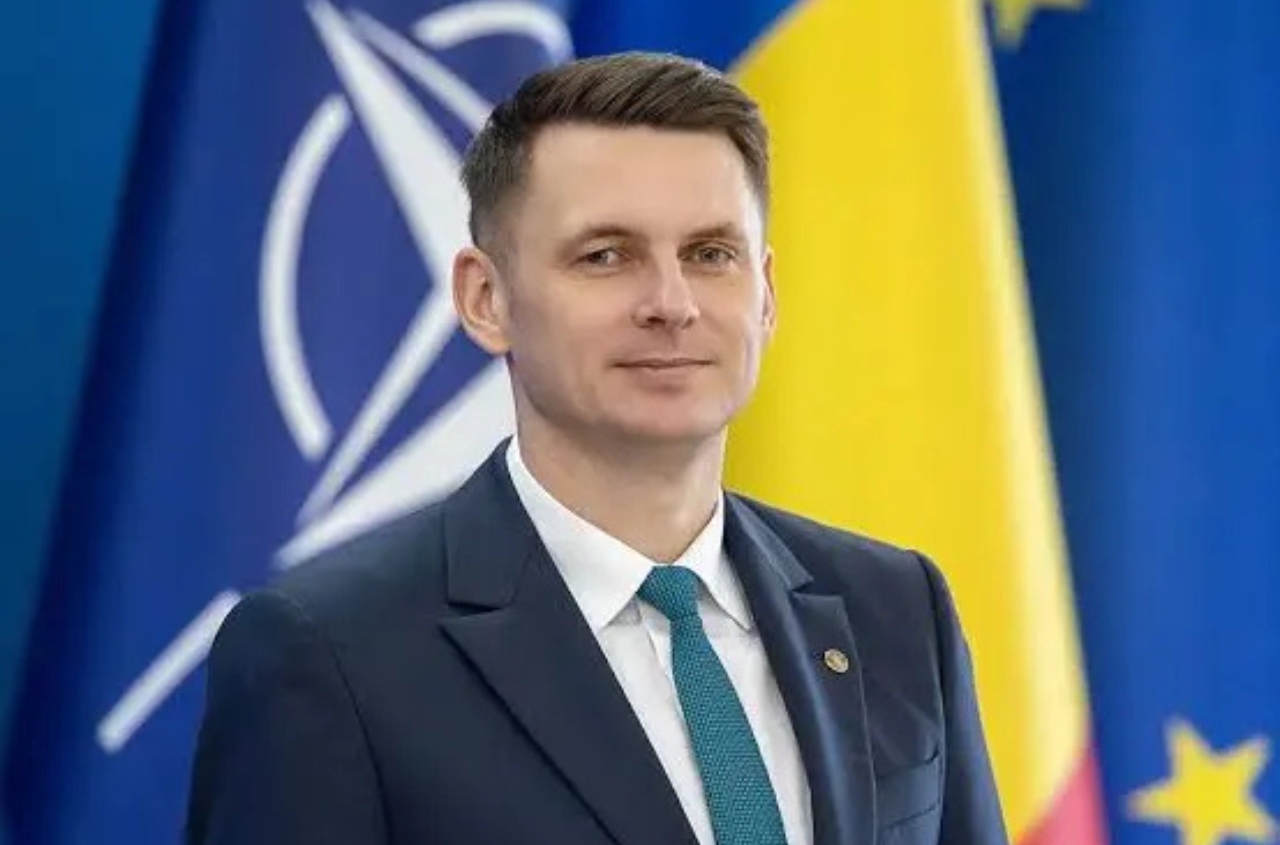

In Bucharest on Thursday, December 11, the international forum “Rebuilding Ukraine: Security, Opportunities, Investments” began, during the opening of which Ionel Nițu, President of the New Strategy Center, and Mircea Abrudean, President of the Romanian Senate, emphasized Romania’s readiness to play a key role in Ukraine’s post-war reconstruction and to become a central logistics hub for this process, reports Interfax.
According to Nițu, the forum aims to create a permanent dialogue platform focused specifically on the practical aspects of Ukraine’s reconstruction, involving representatives of central authorities, businesses, international financial institutions, and local administrations in border regions. As a neighboring country, Romania, he stressed, has direct understanding of local needs and challenges, creating additional opportunities for joint investment and cooperation projects in infrastructure, logistics, and energy.
“Romania, as Ukraine’s neighbor, has practical insight into what reconstruction under ongoing aggression entails. Our goal is to bring together government, business, and local authorities at one table and move the discussion toward concrete solutions and contracts,” Nițu said, opening the forum’s first panel.
The head of the New Strategy Center highlighted the concept of a “strategic connection triangle” involving Romania, Ukraine, and the Republic of Moldova, which would rely on Black Sea and Danube port infrastructure, as well as on rail and road corridors already in focus by the European Commission for expanding regional transport capacities. He also stressed the need for a multidimensional approach to reconstruction, combining economic, social, humanitarian, and security aspects, along with a “direct, honest, and results-oriented dialogue” among all participants.
The forum’s first panel, “The Importance of Romania for Ukraine’s Reconstruction,” was opened by the key speaker, Romanian Senate President Mircea Abrudean. He confirmed Bucharest’s political position supporting Ukraine in countering Russian aggression and emphasized that Romania’s participation in reconstruction is not only an economic priority but also a “political and security imperative for all of Europe.”
Abrudean noted Romania’s strategic geographic location for reconstruction logistics: through the port of Constanța, Danube ports, and the development of rail and road infrastructure, the country aims to become a central hub for cargo flows related to infrastructure, energy, and industrial projects in Ukraine.
“Romania has all the prerequisites to become a logistics center for reconstruction — from ports on the Danube and the Black Sea to transport corridors linking the EU with the Ukrainian economy,” he said during his speech.
Separately, the Senate President emphasized the need to conduct deep reforms in Ukraine alongside reconstruction projects, particularly in energy, infrastructure, public administration, and digitalization. In his view, investment in reconstruction should also be seen as a tool for Ukraine’s European integration, taking into account ongoing EU accession negotiations.
“When we talk about long-term investments, we need a fair and lasting peace, and until it is achieved — a predictable security environment, which is ensured, among other things, by military support for Ukraine from its allies,” Abrudean stressed.
He also recalled that issues of a “fair peace” and security guarantees for Ukraine were already discussed during his recent meeting with Verkhovna Rada Speaker Ruslan Stefanchuk in Stockholm, where both sides coordinated approaches to future peace negotiations.
The forum “Rebuilding Ukraine: Security, Opportunities, Investments” runs from December 11–12 in Bucharest under the aegis of the Romanian and Ukrainian Ministries of Foreign Affairs and is organized by the New Strategy Center. According to the organizers, over two days more than 30 panel discussions and parallel sessions are planned, involving government representatives, international organizations, the private sector, financial institutions, and experts from Europe, North America, and Asia. Panel topics cover security and defense, infrastructure, financing and investments, green energy, digitalization, human capital, and cross-border cooperation.