



The Odesa – UNESCO City of Literature Office continues to build bridges between UNESCO Cities of Literature and Odessa, fostering dialogue, exchange, and shared literary experience across cultures.
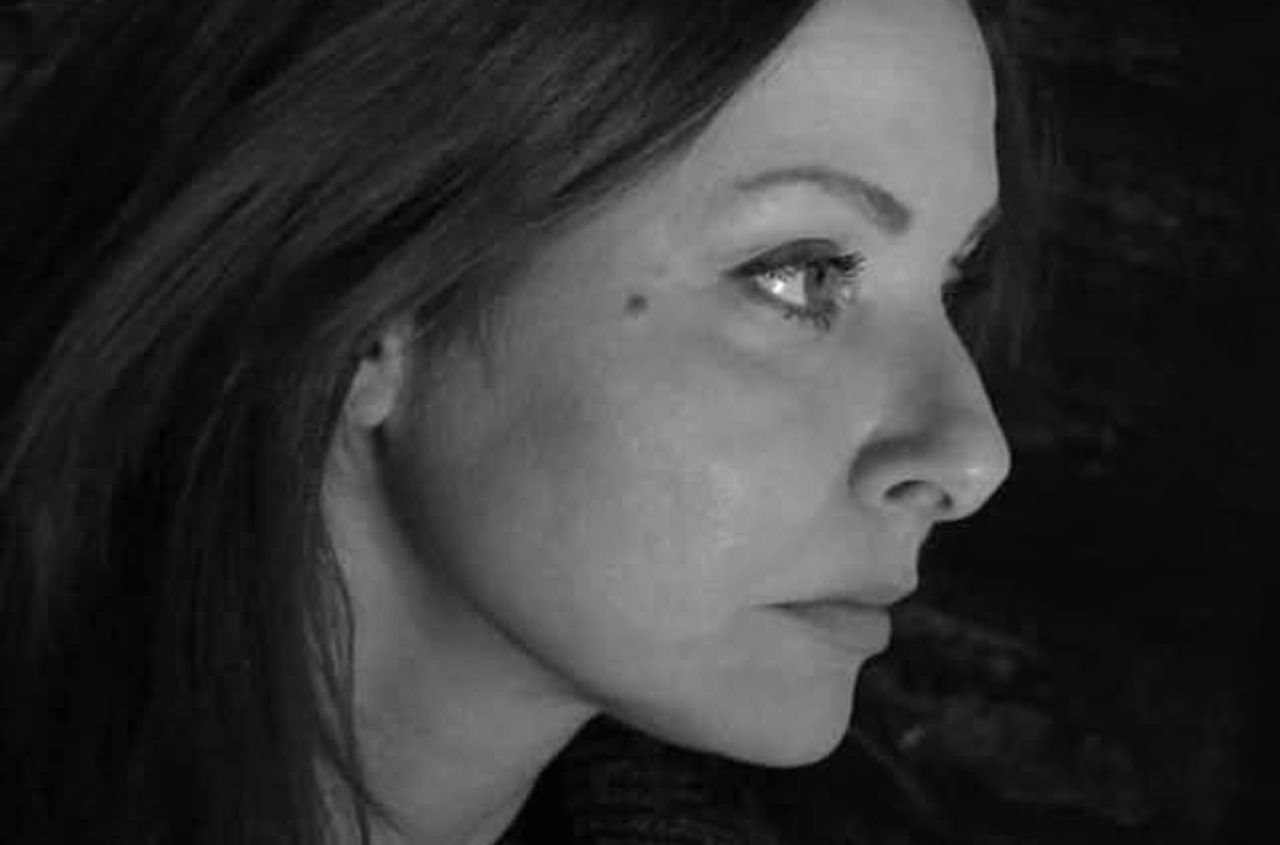
The latest installment focuses on Okayama, Japan, and introduces Ms. Rie Muranaka — a Japanese children’s writer and curator of the collaboration project with the MISONO Kodomo-no-Ie children’s home, where she works closely with children’s creative writing practices through the yomuhumu initiative.
In Okayama, literature is understood as something that extends beyond the page. It becomes a space for listening, healing, and shared attention. Within this approach, a collaborative initiative was launched three years ago between the city administration, welfare institutions, and academic partners: the yomuhumu project.
At the MISONO Kodomo-no-Ie children’s home, children who cannot live with their families due to difficult circumstances are invited to engage with stories and to express their inner world through language. Writing poetry is one of the ways they explore their feelings, imagination, and sense of self.
The poems presented in this project were written by elementary school children living at the home. Imagining places they have never seen, they transform simple impressions into poetic images that are at once fragile and striking. Each poem holds a moment of perception — a voice, a rhythm, a glimpse of thought — that feels both fleeting and deeply present. Even in their simplicity, these texts reflect the wholeness of a child’s inner world and the sincerity of their gaze.
The project does not aim to teach children how to write “good” poetry in a formal sense. Instead, it creates a space where words can be discovered as a form of support — where expression becomes a way of understanding oneself and connecting with others.
Hinata — a 4th-grade student
I Gave Them Names
I’ve given names to animals before.
Maybe… about fifty times.
Stray cats—
I named so many of them.
When I was five,
I gave names to about fifty cats.
I remember only three.
Misha — female, white.
What was it… oh, Alice — female,
black and white.
And the last one, Haruto —
male, with tiger stripes.
I just remembered them.
All of a sudden.
If I met them now,
I’m sure I’d know them.
But they probably
wouldn’t know me.
The ticking of the clock
is really loud.
Commentary by Rie Muranaka (the coordinator of the project):
This poem was written by A, a fourth grader. For many children, giving a name to something is both an expression of affection and a way of making a connection.
When she said she had named “about fifty” stray cats, the number felt less like an exact count and more like a measure of her openness—her desire to reach outward again and again. She recalled only three names, yet she spoke them with care: Misha, Alice, Haruto.
As she listed each one, it felt as though she were briefly touching memories that come and go, like small lights appearing in the dark. The moment she said, “I just remembered them. All of a sudden,” her expression carried the quiet surprise of rediscovering something once forgotten.
Her thought, “If I met them now, I’m sure I’d know them,” felt tender—an expression of how strongly childhood memories can stay within us. The final line, “The ticking of the clock is really loud,” lands gently yet unexpectedly.
It suggests a moment of stillness, as if she were alone in a quiet room, sensing time move forward. But she does not name any emotion directly; she simply observes what she hears. In that simplicity, the poem holds a calm yet lingering atmosphere—a child pausing to recognize the passage of time, without trying to explain it.
The project was created by the Odesa UNESCO City of Literature and being implemented with funds raised by Reykjavík Bókmenntaborg UNESCO as part of the readings initiated by Milano City of Literature “Not Just Words” (Reading for Odessa) on February 24, 2024.