

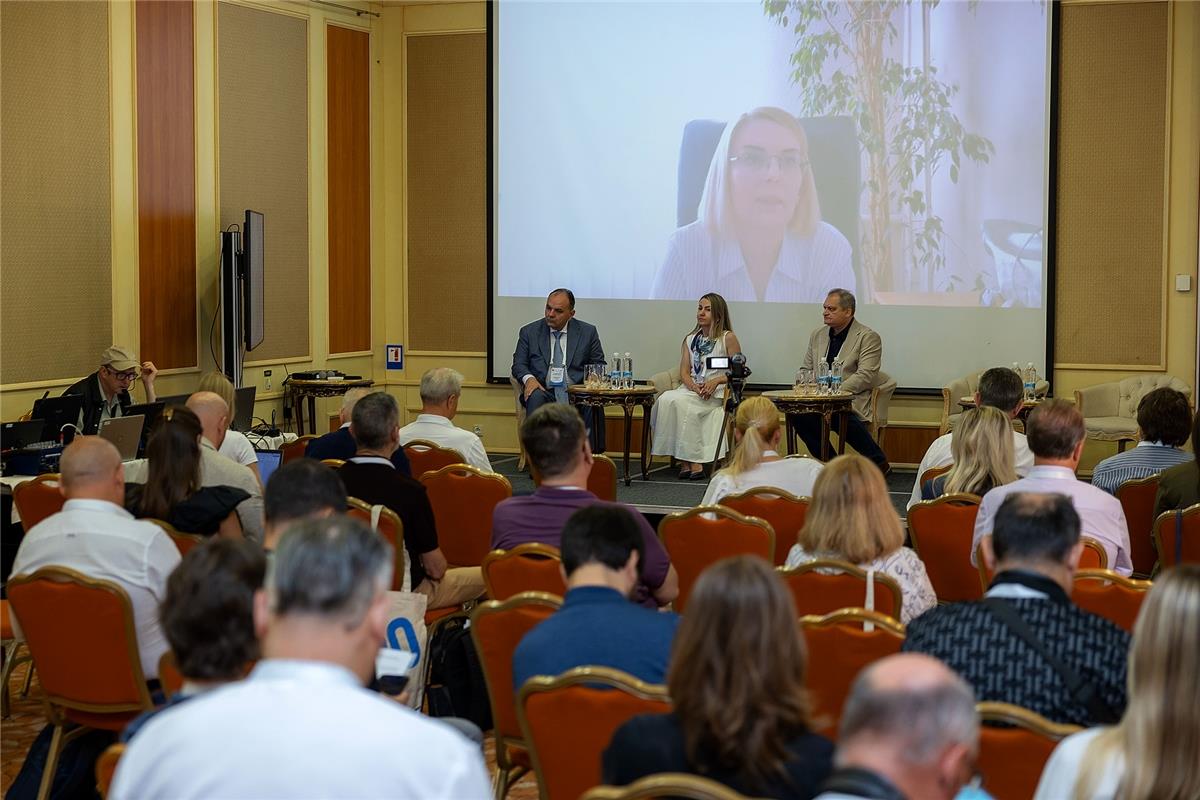

The Danube region is one of the key areas of Ukraine's cooperation with the European Union on water resource management. It brings together issues of environmental security, climate change adaptation, restoration of aquatic ecosystems, and the implementation of Ukraine's EU integration commitments. These topics were at the center of discussions during the 6th National Participation Day of Ukraine in the EU Strategy for the Danube Region, held in Odessa.
Participants focused on three key issues: implementing river basin management plans as the foundation of European water policy, assessing the impact of the war on the Danube region's aquatic ecosystems, and the role of civil society in restoring water resources and strengthening resilience to climate change.
A significant part of the discussions was devoted to the implementation of River Basin Management Plans (RBMPs). Participants emphasized that carrying out the measures outlined in the RBMPs is essential for implementing the EU Water Framework Directive and establishing a modern system of integrated water resource management. The discussion extended beyond the Danube region, with experts stressing that the practical implementation of RBMPs should become a priority for all river basins in Ukraine, as these plans define the specific measures needed to restore aquatic ecosystems, adapt to climate change, and strengthen the country's water security.
The first year of implementing the RBMPs demonstrated the need to accelerate their rollout. Of more than 1,600 planned measures, some have already been launched, but the scale of the tasks requires further mobilization of organizational and financial resources.
Special attention was also given to the role of river basin councils and cooperation among government authorities, local governments, scientists, civil society organizations, and international partners in implementing water policy. Participants noted that only such coordinated cooperation will ensure the effective implementation of the RBMPs and the achievement of environmental objectives.
"The Danube region is strategically important for both Ukraine and Europe. It is here that the consequences of the war for aquatic ecosystems are particularly evident, and these impacts do not stop at national borders. The need to protect these transboundary water resources continues to grow and requires coordinated action by governments, international organizations, and civil society. At the same time, one of our key priorities remains the practical implementation of River Basin Management Plans. RBMPs are the primary and comprehensive tool for achieving good ecological water status, strengthening water security, and fulfilling Ukraine's European integration commitments," said Iryna Ovcharenko, Deputy Minister of Economy and Environment of Ukraine.
Maria Shpanchyk, President of the International Commission for the Protection of the Danube River (ICPDR), outlined the priorities of Ukraine's presidency of the commission and stressed that they are closely linked to the country's EU integration agenda. Key priorities include strengthening water resilience in the face of climate change, assessing the impact of Russia's aggression on the Danube basin, and supporting the implementation of the updated Danube River Basin Management Plan. She noted that Ukraine's presidency of the ICPDR is not only a significant responsibility but also an opportunity to draw international attention to the environmental consequences of the war and deepen cooperation with other Danube region countries.
Representatives of civil society organizations, including the Environment–People–Law International Charitable Organization, presented the results of field research on the impact of the war on ecosystems and the assessment of environmental damage caused by military actions in accordance with Ukrainian and international law. Participants discussed the legal aspects of investigating environmental crimes committed during the war, the need to improve legislation defining the crime of ecocide, and the distinction between ecocide, war crimes, and other environmental offenses.
The event brought together representatives of national and local authorities, international organizations, the scientific community, and civil society.
The conference marked another step toward strengthening interagency and international cooperation in water governance and reaffirmed Ukraine's commitment to European principles and the practical implementation of reforms needed for the restoration and sustainable management of water resources.