



After the start of Russia’s full-scale war against Ukraine, Georgia sharply increased its exports of oil and petroleum products to Europe. Some of these shipments, officially documented as Georgian or Uzbek, are in fact of Russian origin, as reported by Echo of the Caucasus.
Key participants in these schemes include the companies Geo Logistics, ZD Oil Company, and Rustavoil.
One of the main destinations for these shipments was the Netherlands. In 2024, Georgia unexpectedly became a major exporter of oil and petroleum products to the country, despite no significant prior trade volumes. From the start of Russia’s invasion of Ukraine until November 2025, the total volume of shipments from Georgia to the Netherlands reached about 110,000 tons, or roughly 790,000 barrels of oil and petroleum products.
According to the investigation, the Georgian company Geo Logistics, linked to the family of former Deputy Minister of Economy Romeo Mikautadze (who was arrested on corruption charges), played the leading role. Formally, the company imported oil from Uzbekistan, but in reality the route was Russia → Uzbekistan → Georgia → Netherlands. In Georgian statistics, such cargo was recorded as Uzbek, even though it was actually Russian oil acquired through intermediaries.
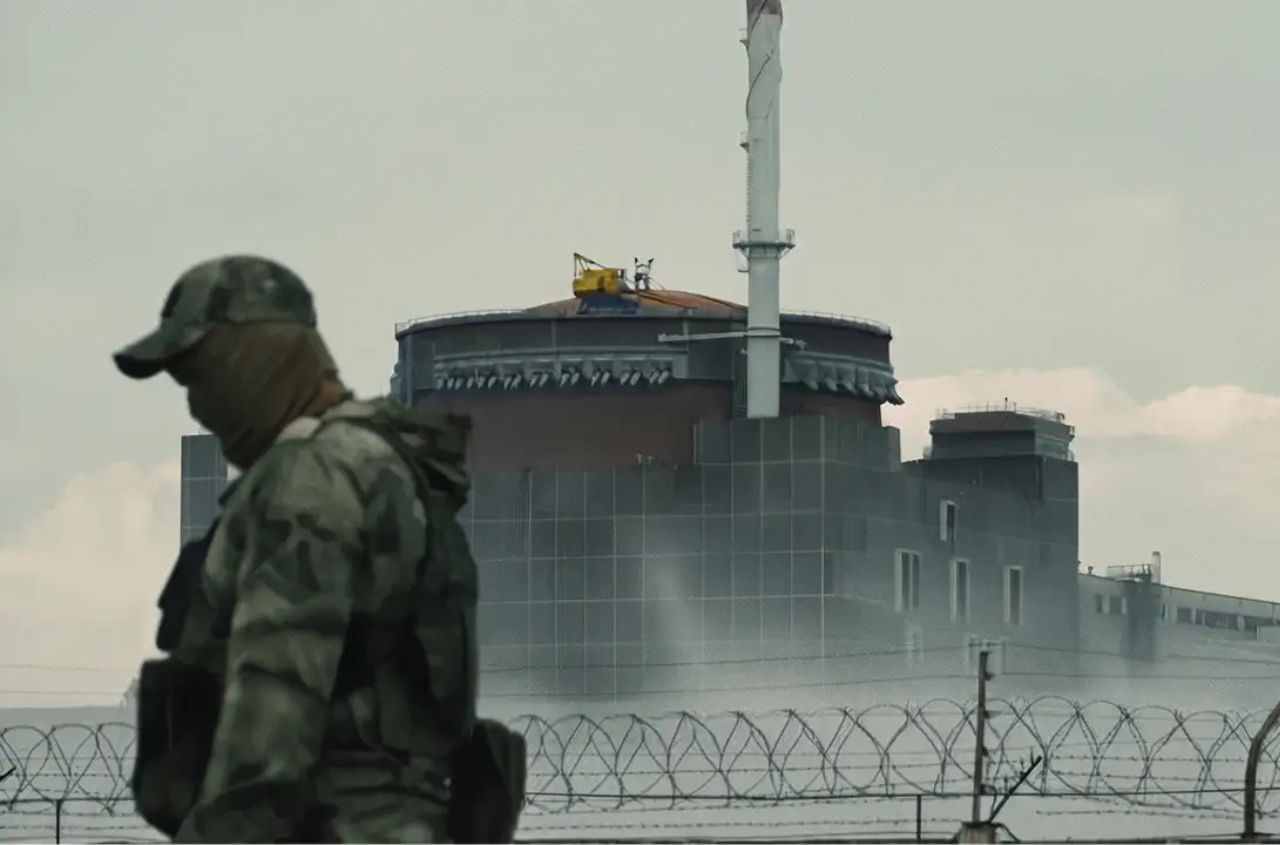
Part of the exports went through the Black Sea terminal at Kulevi. In October 2025, according to Reuters, the Russian company Russneft delivered its first batch of oil there. Official Georgian statistics for 2024 record exports to the Netherlands at 60,000 tons, while Dutch data show only about 10,900 tons. Journalists explain the discrepancy by the use of temporary storage and ship-to-ship transfers, which allows some cargo not to appear in the importing country’s statistics.
The investigation notes that the oil could have been formally sold to a Dutch company and then resold to other European buyers, for example in Italy, with direct shipment from Georgia. In such cases, the cargo is not recorded as imports in the Netherlands. Furthermore, under international rules, transit cargo is not included in import statistics, and warehoused products are only counted when leaving storage.
Another major export destination for Georgian petroleum products was Switzerland. From 2022 to 2024, about 39,000 tons were shipped there. The main exporter was ZD Oil Company, which processes local oil and also imports petroleum products from other countries. According to the investigation, in 2023–2024, the company imported about 8,100 tons of petroleum products from Russia, valued at $4.8 million. Suppliers included entities connected to Gazprom, Taif-NK, Tatneft, and Ural Petrochemical Company.
Journalists emphasize that, although Switzerland is not in the EU, it generally follows international sanctions. According to their estimates, importing Russian oil and petroleum products into Switzerland since 2022 is also considered unacceptable. ZD Oil Company claims that imports from Russia were solely for production needs and did not violate existing restrictions.
Investigators also note that since 2013, the main creditor of ZD Oil Company has been Cartu Bank, owned by oligarch Bidzina Ivanishvili. Georgian media previously reported that issues related to Russian oil shipments to Georgia and the company’s activities are overseen by Ivanishvili’s brother, Alexander.
Another export destination was Greece. After the start of the war in Ukraine, oil and petroleum product shipments from Georgia to Greece quadrupled, reaching 37,000 tons in 2023–2024. The majority were medium and heavy distillates, as well as petroleum products derived from bitumen. The investigation links this export growth to Rustavoil, which owns a refinery in Rustavi.
In 2023–2024, Rustavoil became one of the top ten Georgian exporters to the EU, supplying products to Turkey and Greece. Simultaneously, the company increased its imports of Russian oil twentyfold compared to previous years. Rustavoil’s owners and managers have close ties to the Russian oil industry. A key figure is Kakhi Jordania, who holds shares in Russian oil trading companies. His mother, Maka Asatiani, is the main shareholder of Black Sea Petroleum, which owns the Kulevi terminal.
In 2025, the first shipment of Russian oil arrived at Kulevi on the tanker Kaiser, which later changed its name and flag several times. Journalists suggest that such maneuvers help obscure the oil’s origin and circumvent sanctions.