


Main image by People’s Liberation Army via U.S. Military Press
The technological alliance between Moscow and Beijing is taking hybrid warfare to a new level, ranging from electromagnetic strikes to digital dominance. The modern battlefield is rapidly transforming into a space where traditional weapons are giving way to cyberattacks, autonomous drones, and campaigns to seize control of information space. Russia and China are systematically combining their efforts, creating a unified front of technological threats that endanger the security of Western countries and force NATO to completely rethink its defense strategies, as reported by Jamestown.
The main target of these technologies is the partners and allies of the United States, while NATO frontline states are under continuously increasing pressure. Examples of such expansion include Russia violating the airspace of Poland, Romania, and the Baltic states, as well as GPS signal spoofing and sabotage of critical undersea infrastructure, including fiber-optic cables in the Baltic and Arctic regions. These actions reflect a global shift toward multidomain warfare, where ambiguity and deniability become key advantages.
A central element of this technological race has become drone warfare. Since the full-scale invasion in 2022, Ukraine has emerged as a global leader in drone production, pioneering the development of maritime and autonomous systems. The country’s defense sector has grown by 350 percent, offering innovations such as the Magura and SeaBaby maritime drones, capable of sinking ships and striking aircraft and strategic targets like the Kerch Bridge.
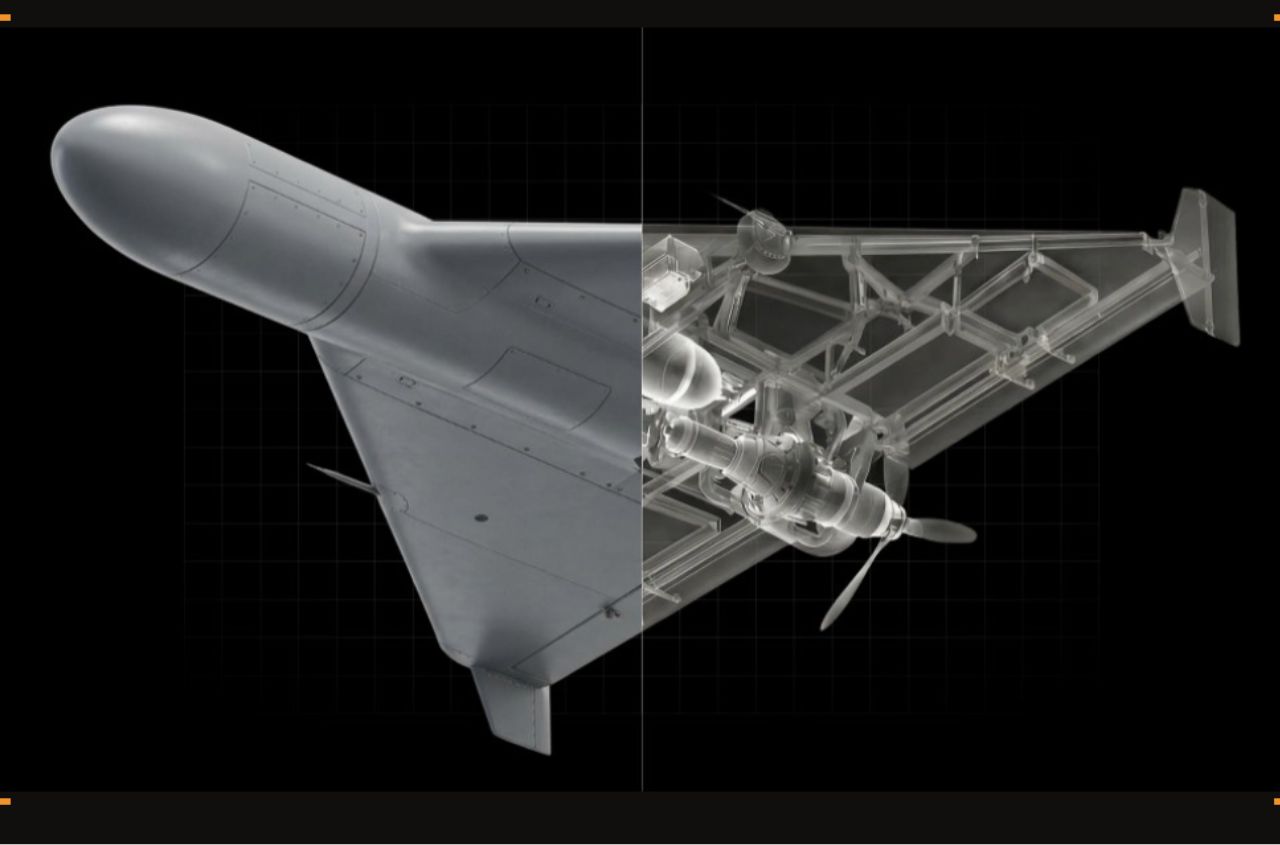
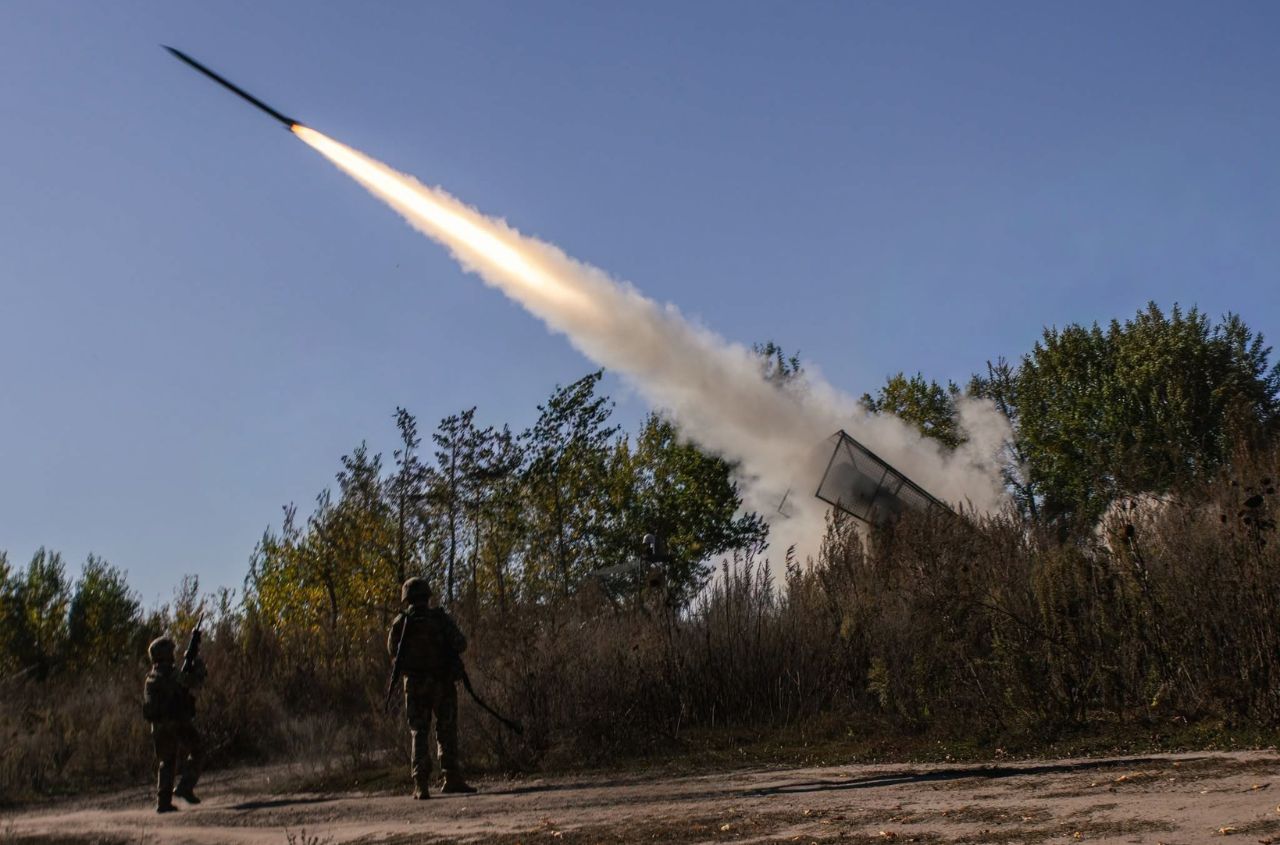
China is closely studying this experience and has already introduced new drone systems intended for potential conflicts around Taiwan. Chinese strategists emphasize the need for low-visibility platforms and fiber-optic guidance systems to protect against jamming. At the same time, Russia is ramping up production of Shahed-style kamikaze drones, improving their ability to penetrate air defense systems, and testing AI-powered UAVs for autonomous targeting.
The military-technological modernization of both countries relies on Cold War-era research as well as modern illicit procurement networks. Beijing actively uses intermediaries and front companies, such as Suzhou Rebes Electronic, to bypass U.S. export controls. Moscow, despite sanctions and a shortage of skilled personnel, is also attempting to accelerate the acquisition of military technology through loopholes in the supply system.
Special attention is being given to military artificial intelligence. China uses Western open-source models, such as Meta’s LLaMA, to create functions tailored to the needs of its army and security services. The People’s Liberation Army is emphasizing “intelligent warfare,” where information dominance and algorithms are more important than industrial resources.
In space, China aims to become the world leader by 2050, viewing commercial space as a major strategic force. Meanwhile, Russia’s Roscosmos, which controls a significant portion of the country’s defense market, faces serious inefficiencies and the loss of Western partners. Against this backdrop, Ukraine is seeking alternatives to the Starlink system after communication disruptions during operations in Sevastopol and the Kursk region, prioritizing the development of its own national satellite communication system as a key element of military command and control.
Cyberspace has also become a zone of active confrontation. China’s new Cyber Forces are already demonstrating equipment for electronic reconnaissance and information suppression, taking into account Russia’s mistakes during its invasion of Ukraine. According to expert Sergey Sukhankin, Russia itself is actively integrating AI into military strategy, while its IT sector continues to efficiently serve the Kremlin despite sanctions. Poland has become a primary target for Russian tactics, including domestic espionage and cyber sabotage.
Security of undersea communications is a major concern. Suspicious activity by the merchant ships Shunxing-39 and Vasily Shukshin near Taiwan in 2025 suggests possible cooperation between Russia and China for reconnaissance and sabotage of communication cables. Similar incidents have been recorded in the Baltic Sea, where Chinese vessels damaged infrastructure in 2023 and 2024. Beijing views undersea cables not only as a means of transmitting energy but also as an instrument of geopolitical influence.
In this new reality, deterring aggression will depend less on troop numbers and more on the flexibility and capability of Western systems to counter emerging technological threats before they escalate.