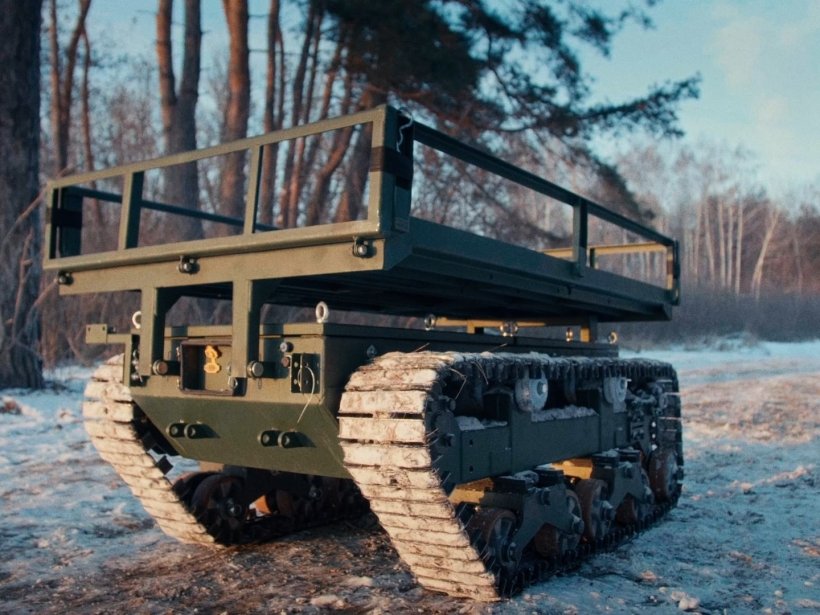


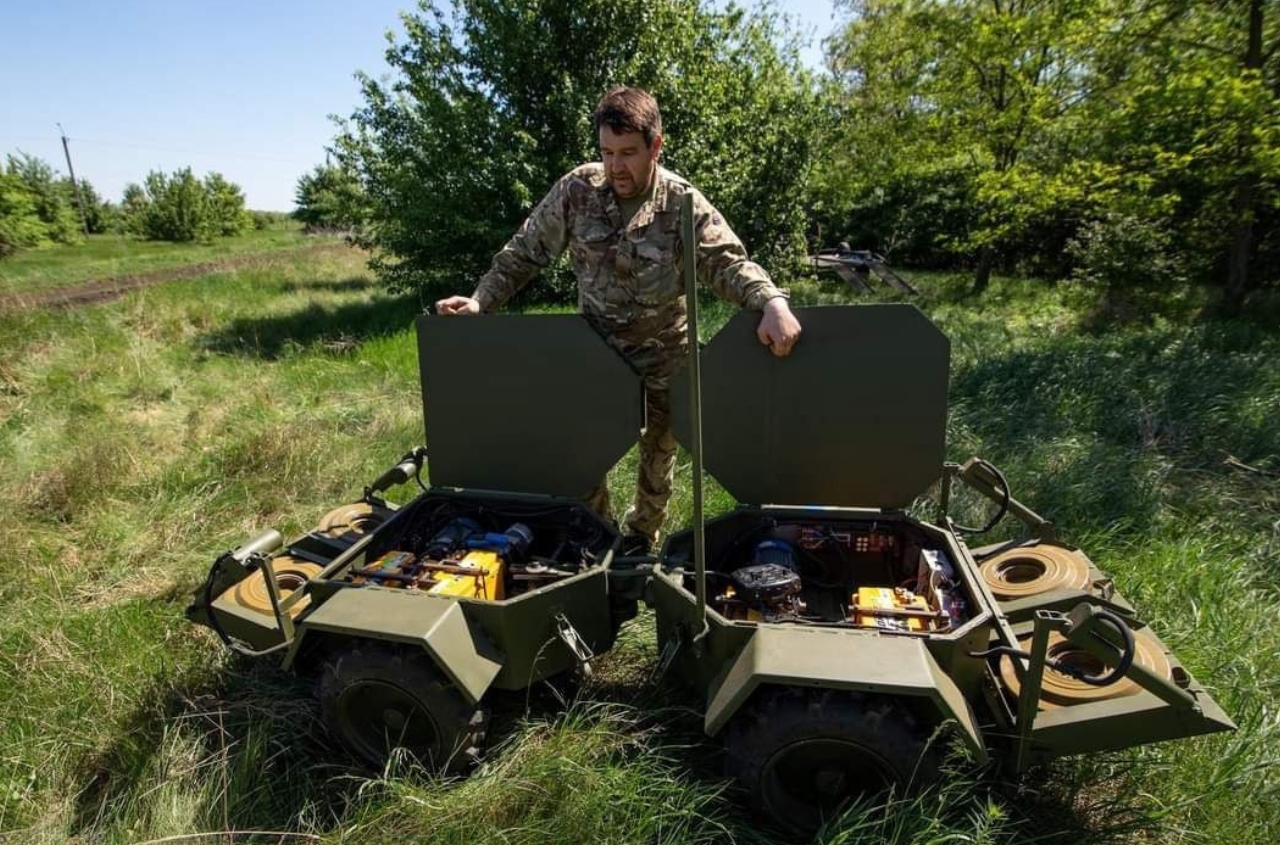

Some units of the Defense Forces have significantly reduced risky supply runs to positions: where access routes are controlled by Russian UAVs, cargo is increasingly delivered by ground robotic systems and heavy copters.
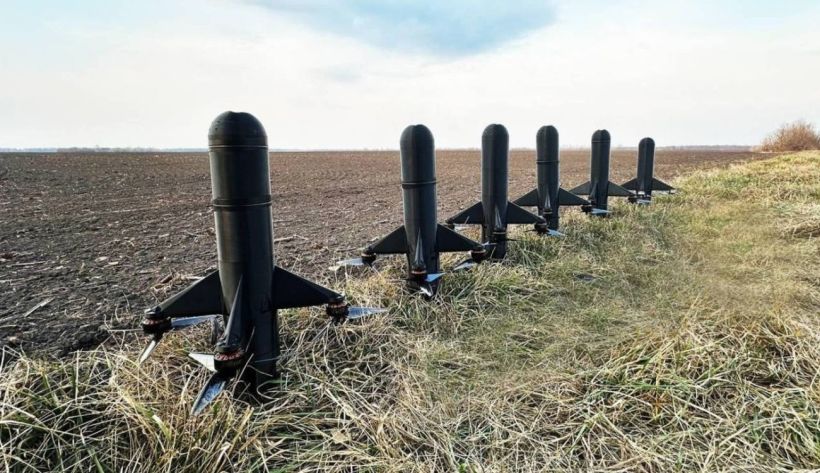
According to Militarnyi, the 3rd Separate Assault Brigade already fully meets the needs of its forward positions using ground drones and heavy multirotor UAVs of the Vampire type. Operators in this area transport up to 40 tons of cargo per week, supporting five battalions. The commander of the NC13 strike ground robotic systems company, Makar, clarified that in July–August ground drones handled about 80% of frontline logistics, but as weather conditions worsened their share dropped to 50% due to poorer terrain passability and a shortage of equipment in the unit.
In the Azov Brigade, most deliveries to the line of contact have also been shifted to robotic systems: each month they deliver 20–25 tons of supplies. A similar practice exists in the Air Assault Forces, where one brigade transports 10–12 tons per month, which amounts to roughly 80% of all frontline supplies.
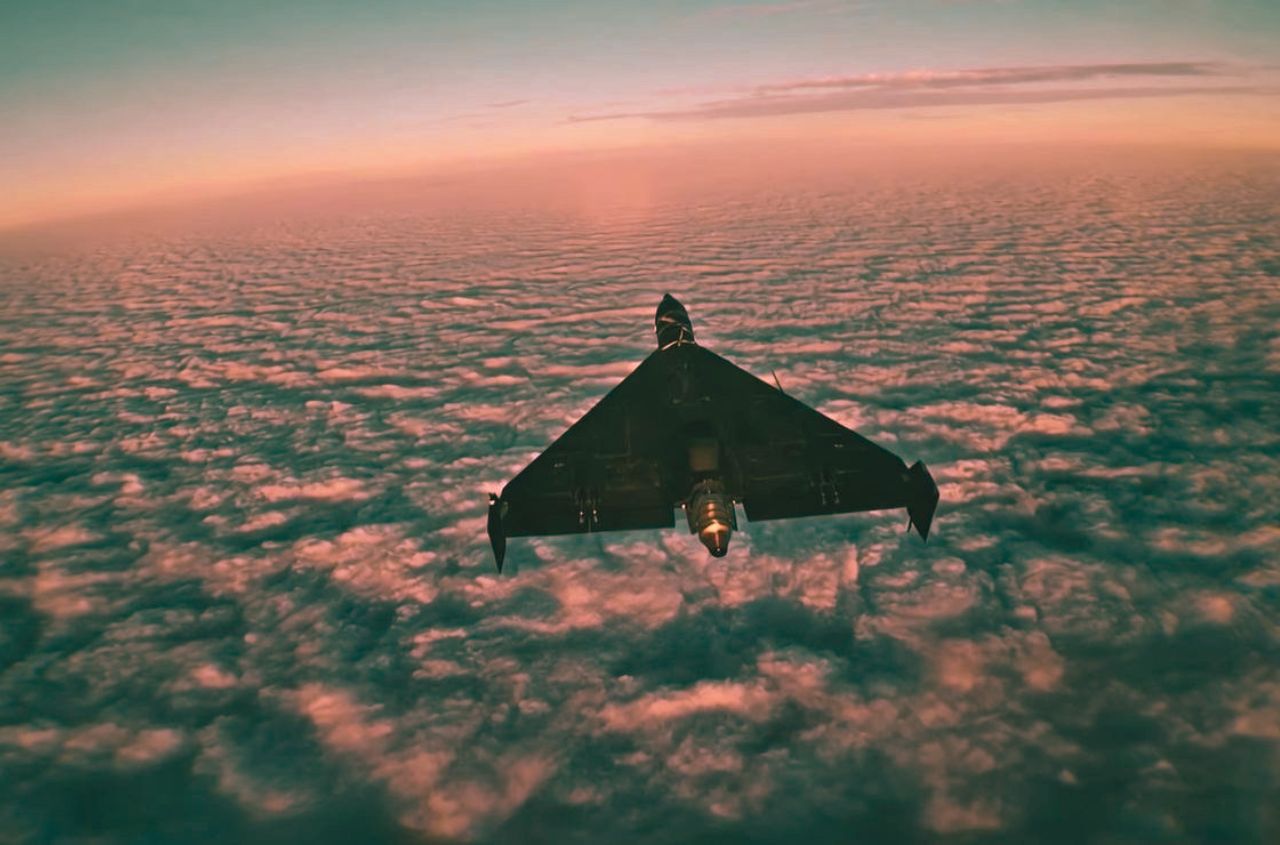
Operators explain that the key driver of robotization is the formation of “kill zones” in the rear of forward positions. In these areas, Russian drones conduct constant surveillance, mine roads, and set up ambushes along access routes. The depth of this influence, they say, reaches 5 km, and in the hottest sectors in some places exceeds 20 km. Under such conditions, ground drones have become a way to deliver cargo without direct risk to personnel and without regular use of armored vehicles.
Oleksandr Yabchanka, head of the robotic systems service of the “Wolves of Da Vinci” battalion of the Unmanned Forces, notes that over the past year logistics have changed radically, and ground robotic systems have become almost the only alternative to armored vehicles for delivery. At the same time, this is not a “bloodless” technology: according to Azov operators, their company loses more than 10 robotic systems per month to Russian UAV strikes, but this is equivalent to dozens of lives saved. Today, robotic platforms deliver ammunition, fuel, UAV batteries, food, equipment, and even blood for transfusions to frontline positions.