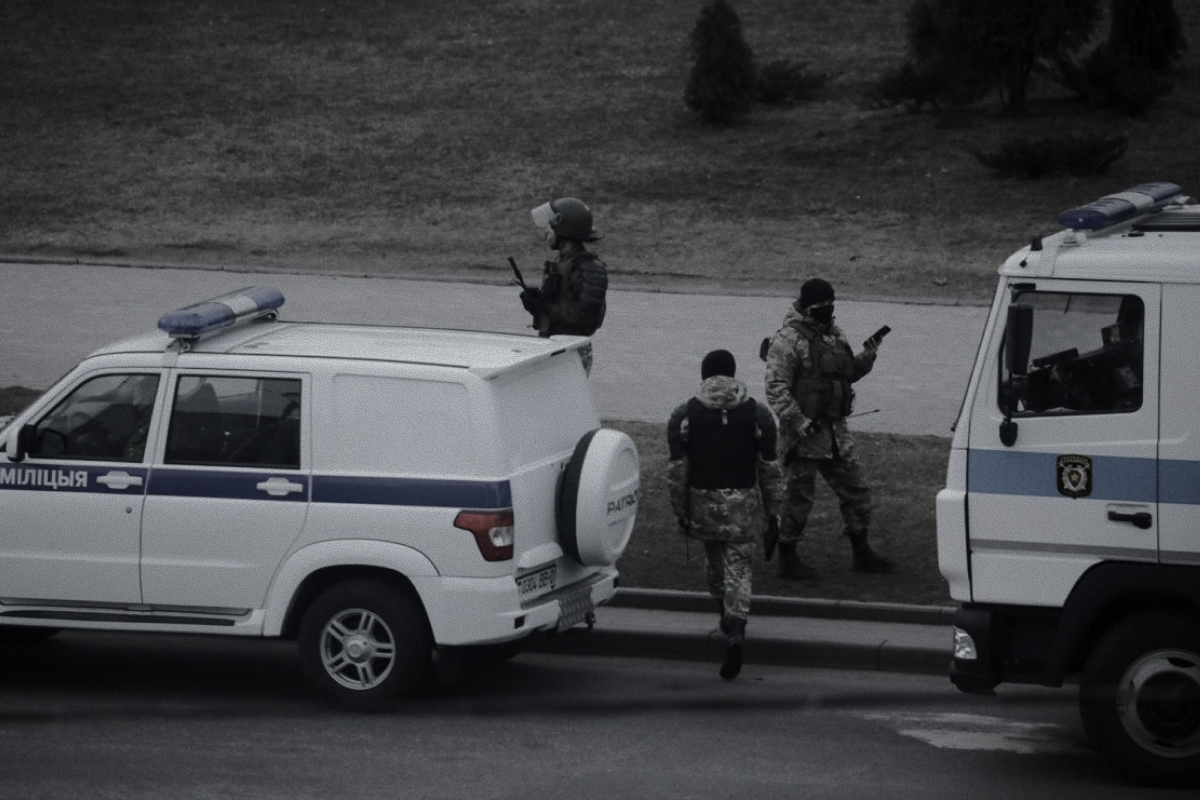


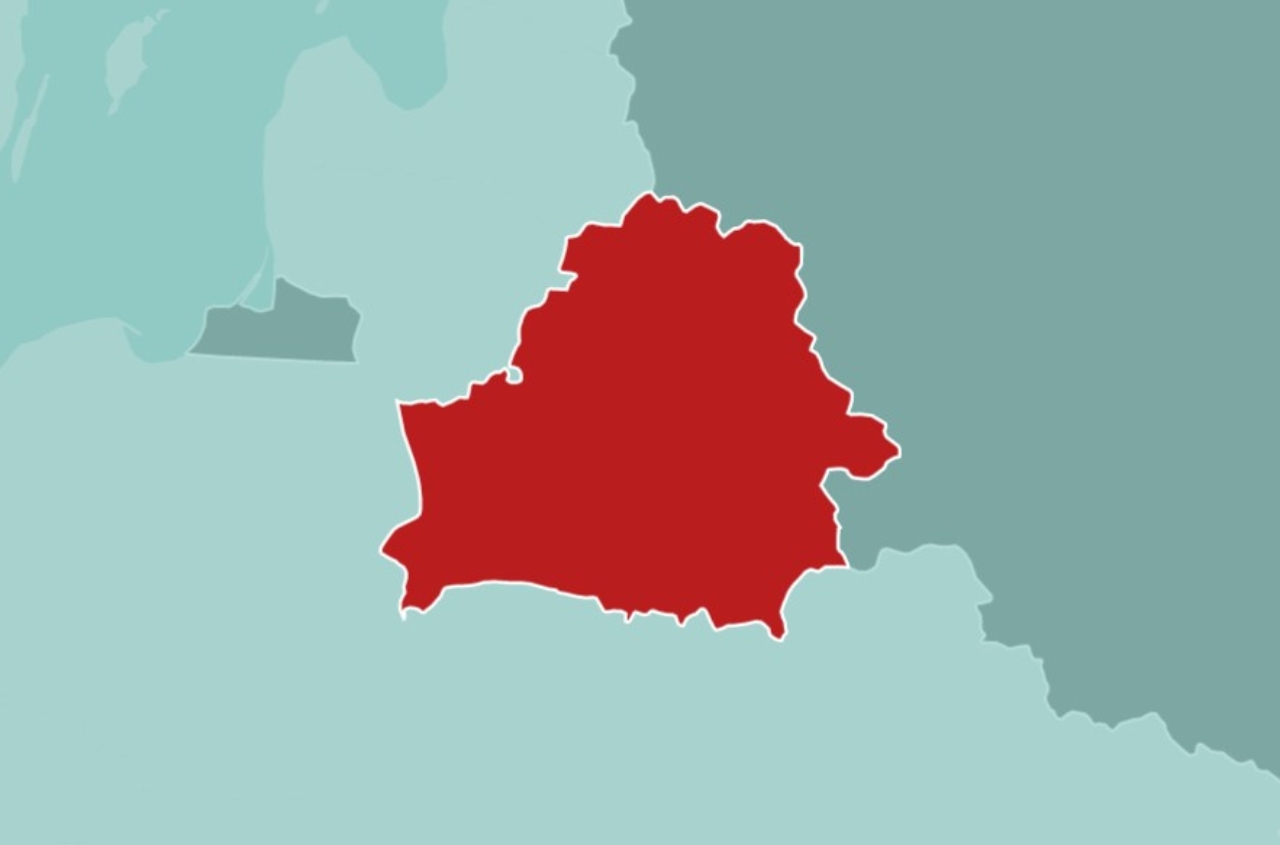

The World Organisation Against Torture (WOAT) in its 2026 global index has recorded a bleak diagnosis for Belarus: torture and ill-treatment there remain widespread, systematic, and state-sanctioned. The country has been classified as a very high-risk zone for the use of torture.
The authors of the report state that the human rights crisis triggered by the 2020 presidential elections has not only failed to subside but has instead turned into an entrenched system of repression. The report notes that in spring 2026 the authorities released some imprisoned human rights defenders, but most of them remain in detention. At the same time, Lukashenko stated that in the event of renewed protests he would respond with the harshest measures, ignoring the law. WOAT interpreted this statement as an open endorsement of extrajudicial violence.
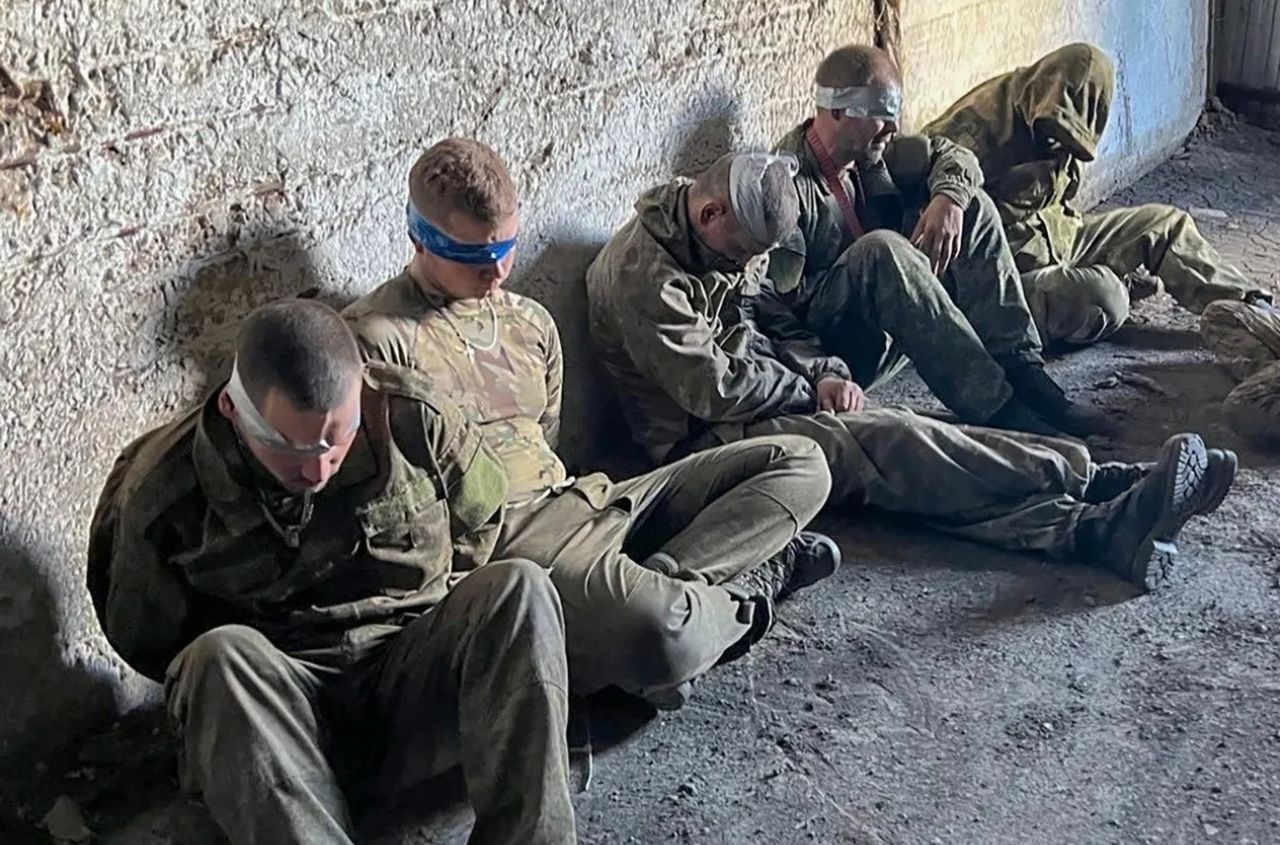
According to the document, political prisoners, women, and individuals prosecuted under broadly defined “anti-extremism” legislation are systematically subjected to torture in Belarus. This includes beatings, the use of electric shocks, prolonged stress positions, and sexual humiliation, with the most intense abuse occurring in the first hours after detention.
WOAT also highlights structural problems: torture in Belarus is still not recognised as a separate crime, there is no national preventive mechanism, and independent monitoring of places of detention by civil society is prohibited. The UN Independent Expert Group also concluded that the violations recorded since 2020 are mass-scale and systematic in nature and, by their nature, amount to crimes against humanity.
As a result of the assessment, Belarus received a very high-risk status in six out of seven indicators in the index, and a high-risk status in the remaining one.