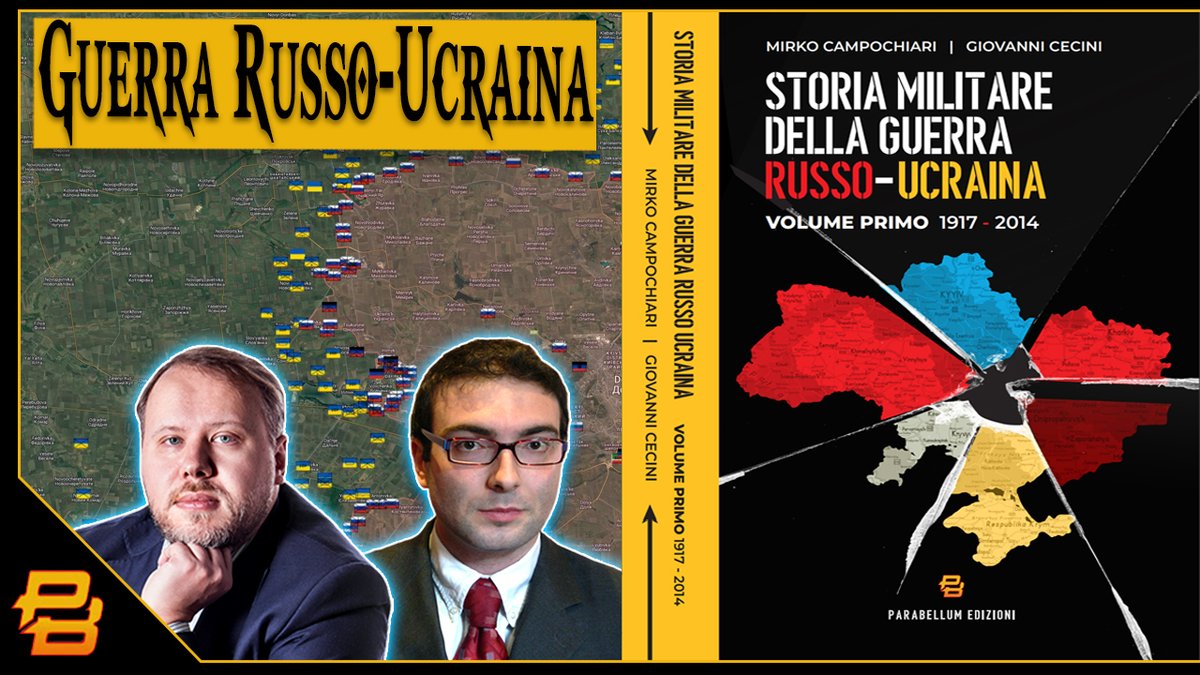


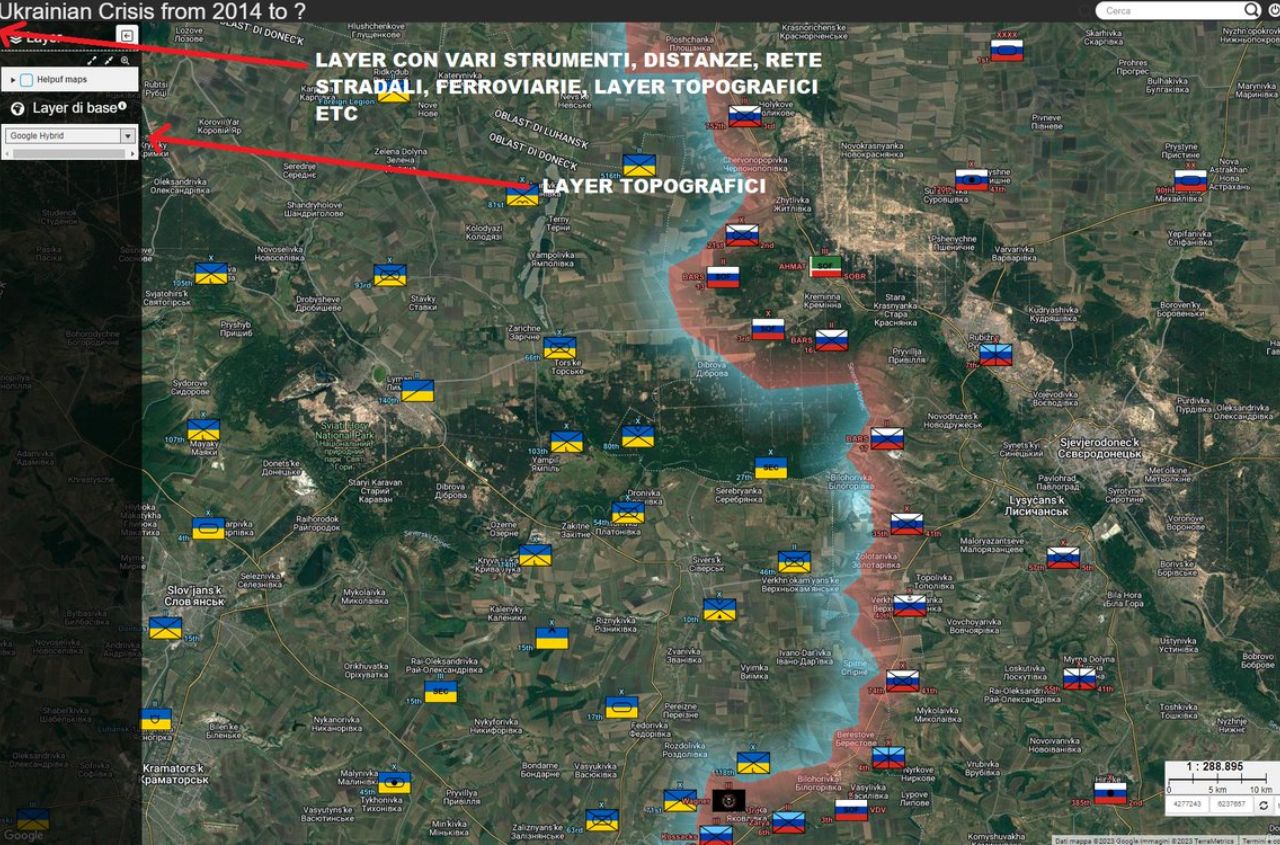

In November 2025, the Italian YouTube channel Parabellum has been the target of several attempts of censorship by the Russian Federation.
Military analyst and blogger Mirko Campochiari, who founded the Parabellum think tank, announced publicly that he had received a request from the Russian Court of Voronezh, October 16, 2025 (case 2a-4293/2025), acting on instructions from Roskomnadzor — the Russian state censorship authority — as follows:
To remove information prohibited in the Russian Federation, to block traffic from Russia to the map, and to notify the Russian authority of the censorship carried out.
Furthermore, Roskomnadzor is reportedly putting pressure on the channel’s hosting providers in order to block or delete the map of the Russian–Ukrainian conflict. Naturally, the map is still online, accessible abroad and especially in Italy.
A parliamentary inquiry has been filed, so I’ll wait to see the outcome and whether there will be investigations regarding the email from ROSKOMNADZOR, which is putting pressure on my hosts — and on me — to block/delete the map of the conflict.
said Mirko Campochiari, adding:
Frankly, I think it’s a clumsy attempt at exerting pressure or intimidation, which has actually produced the opposite effect.
Since the beginning of the Russian invasion in February 2022, Mirko Campochiari has created an interactive map of military operations in Ukraine, continuously updated and freely accessible. In this work, the military analyst relies on satellite imagery, direct sources from the battlefield, and analysis of available imagery to verify the confirmed presence of troops from both sides, their equipment and trench system.
Thanks to his analysis method, he has become a well-known opinion maker in the Italian debate, actively debunking numerous fake news spread by Russian and Ukrainian propaganda among the Italian public.
His YouTube channel features military experts, historians, journalists, and defense analysts.
Alongside this activity, Campochiari has published the book Le parole della guerra ("The words of war"), written with General Paolo Capitini, for Italian readers. He later undertook the writing of Storia Militare della Guerra Russo-Ucraina (“A Military History of the Russo-Ukrainian War”), together with the historian Giovanni Cecini, tracing the conflict from its origins at the end of the First World War.