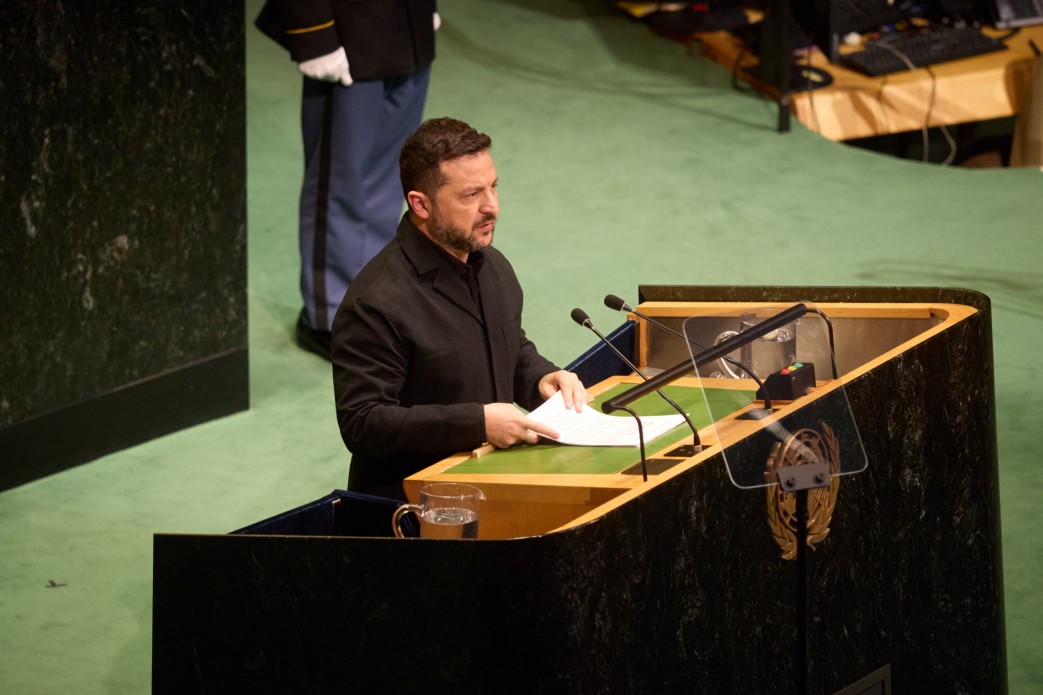



What can you say about the Trump-Zelensky meeting if you weren’t there? – Very little. We don’t know what they actually discussed, and any assessments right now are more about our emotions and associations than reality.
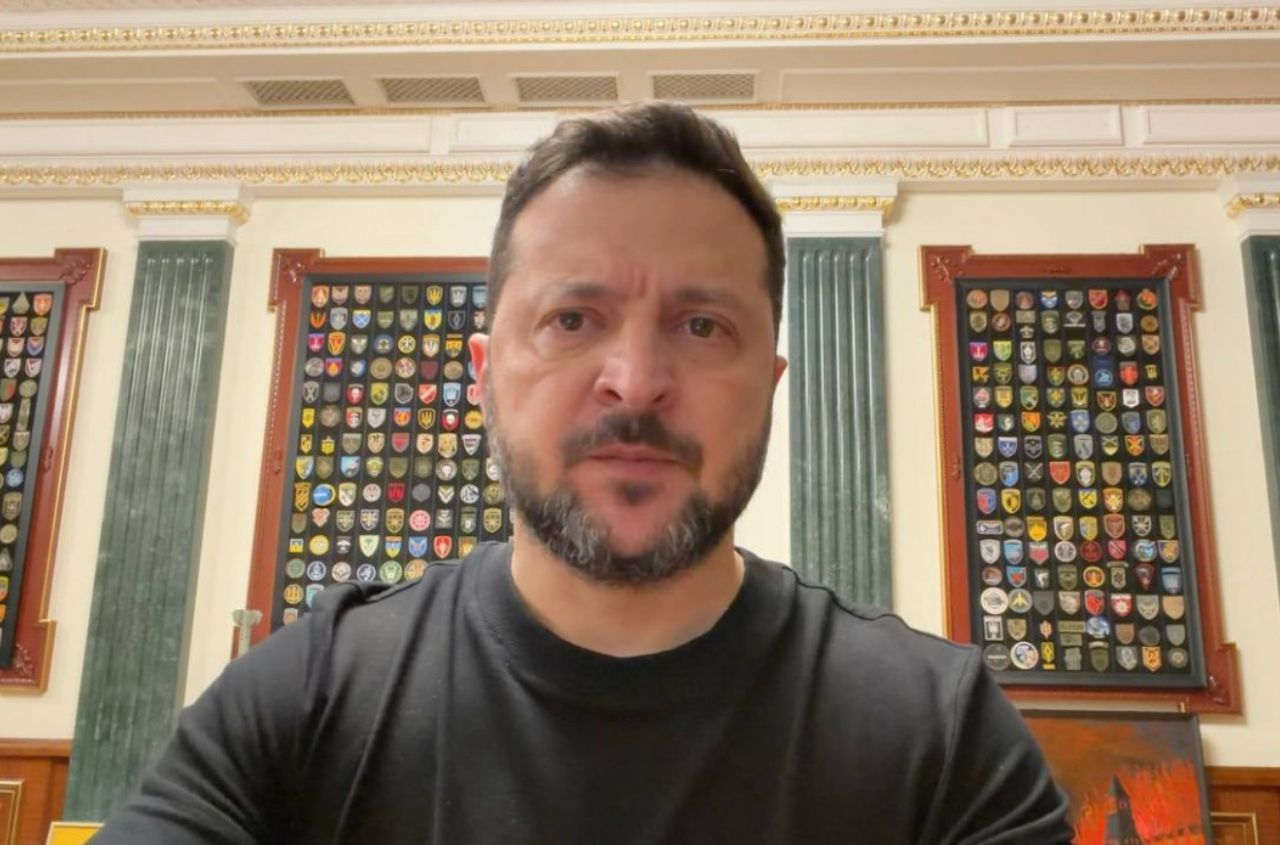
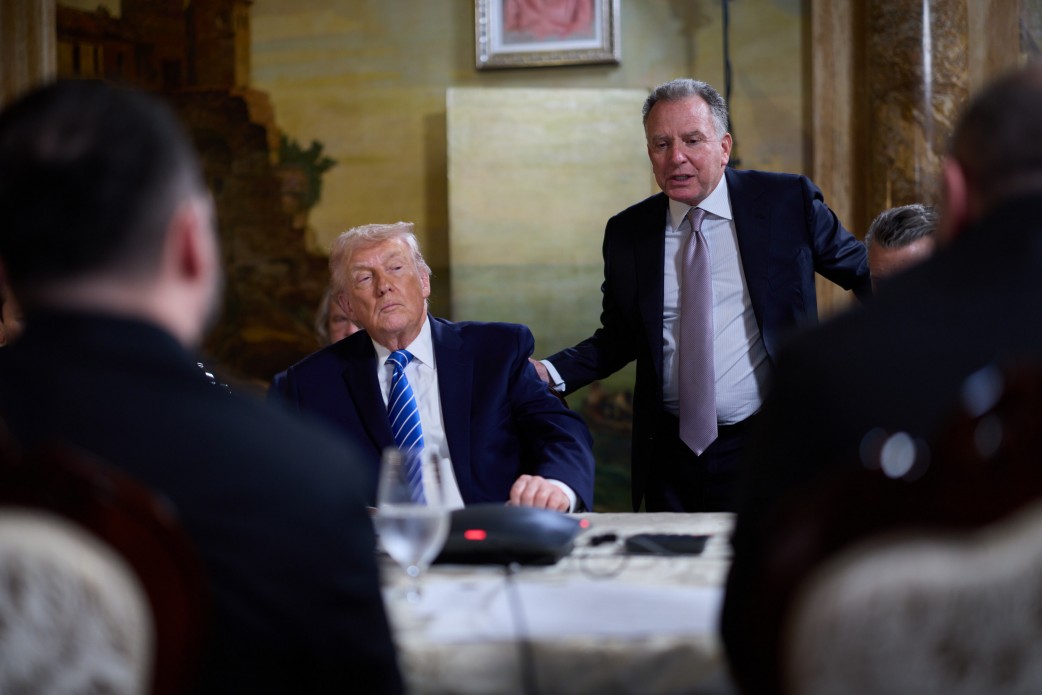
Purely outwardly, the first impression of Trump and Zelensky “coming out” after the talks is that both look fairly worn out, as if they had been unloading a car full of coal. It seems the conversation was at least difficult, and at most – did not go well.
From his tone, Trump obviously understands Putin’s logic better than Zelensky’s. And this is even considering that compliments toward Putin are part of the game and shouldn’t be over-interpreted.
For example, I personally got a very subjective, and possibly mistaken, impression that in Trump’s eyes, Putin’s demands in general—and specifically the demand to cede territory—don’t seem excessive. He seems to have already accepted it for himself and mentally moved the pieces in the right direction. The only question is how far he is willing to go to “break” Zelensky.
Publicly – not very far. Given the mood inside the U.S., where support for Ukraine has not yet shifted to support for Putin, Trump maintains distance in public and carefully chooses his words, which is generally uncharacteristic for him. How he speaks with Zelensky one-on-one is anyone’s guess.
On one point, he has definitely returned to his Anchorage position: no ceasefire before final agreements under any pretext is foreseen. Trump is a realist, and on this issue, he listened to Putin. What happened after the Rubio-Lavrov conversation is unclear, but Trump is not allowing himself to slide back toward the “pre-Anchorage” positions.
New (as far as can be heard) – the issue of a combined expression of will, “elections + referendum,” is becoming part of the peace deal, making it incredibly complicated. At this point, it’s even hard for me to mechanically imagine how these three elements would be combined. But the conversation is moving in that direction.
It’s clear that Trump and Putin hope that, in this scheme, Zelensky will somehow get lost along the way. Zelensky clearly has a different opinion on this matter.
Overall, it seems that Trump will neither actively help Putin nor obstruct him. Trump is not rushing events (and can hardly do so) and is giving Zelensky time to mature, while also dealing with internal corruption issues.
As a result of the conversation, Ukraine will not gain any new strategic opportunities, but it will not be left without support either. Putin, therefore, has time to prove—or fail to prove—his capabilities on the battlefield.
So, spring remains the next “window of negotiation opportunities,” assuming, of course, that the house doesn’t burn down before then…