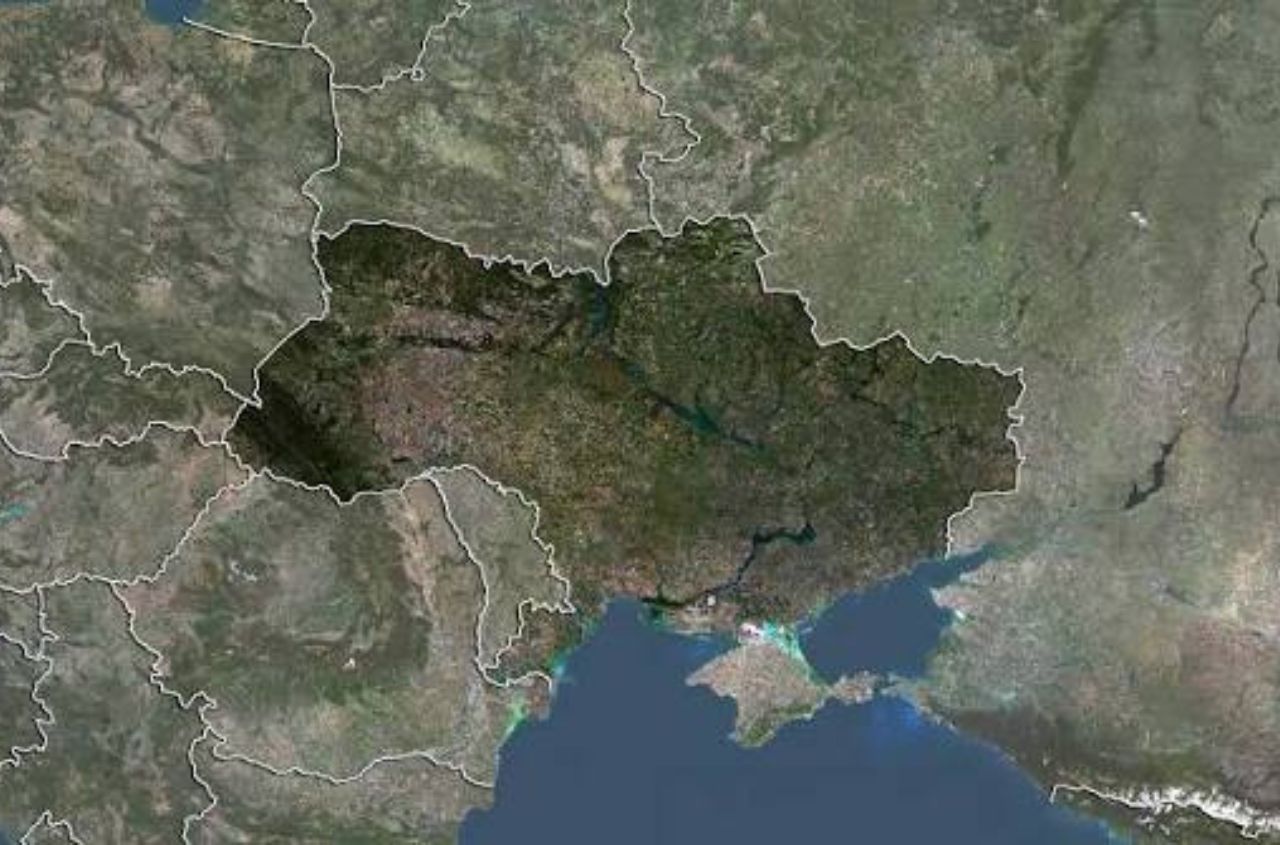



In June, Ukraine experienced highly contrasting weather marked by uneven rainfall distribution and precipitation deficits, according to the Ukrainian Hydrometeorological Center.
The agency reported that cool weather prevailed during the first and second ten-day periods of the month, with average daily temperatures close to or below seasonal norms. The third ten-day period was warm, while the final days of June were hot. As a result, the average monthly air temperature was close to the long-term norm, while in western regions it exceeded the average by 1.2–2.1°C.
Maximum air temperatures reached 33–38°C, rising to 39–40°C in western regions, Odessa region, and Zakarpattia. Overall, temperature conditions in western and southern Ukraine were nearly identical. In western regions, Zhytomyr region, much of Vinnytsia and Odessa regions, and parts of Mykolaiv and Cherkasy regions, the absolute June temperature records dating back to 1951 were matched or exceeded by 1–4°C.
“Uneven, typical summer rainfall was recorded across almost the entire country. As atmospheric fronts moved across Ukraine, numerous hazardous weather events occurred in different regions, including localized torrential rain, squalls, thunderstorms, and hail. In areas affected by heavy downpours, crops suffered mechanical damage and lodging,” the Hydrometeorological Center said.
Agrometeorological conditions for the development of late-season crops, as well as the ripening and harvesting of early grain and legume crops, varied considerably across the country.
During the first half of the month, conditions were generally favorable for the development of all agricultural crops throughout most of Ukraine, thanks to the absence of extremely high air and soil temperatures and periodic, mostly light rainfall. The cool, rainy weather helped replenish and preserve soil moisture while effective heat accumulated gradually.
“The developmental stages of crops on most fields were close to the long-term average. However, the lack of effective rainfall across much of southern, central, and eastern Ukraine led to the gradual onset, spread, and intensification of soil drought affecting early grain crops, which began mainly during the first ten days of June. By that time, yields of early grain crops had already been largely formed, so the moisture deficit is likely to have only a limited impact on production,” the meteorologists added.
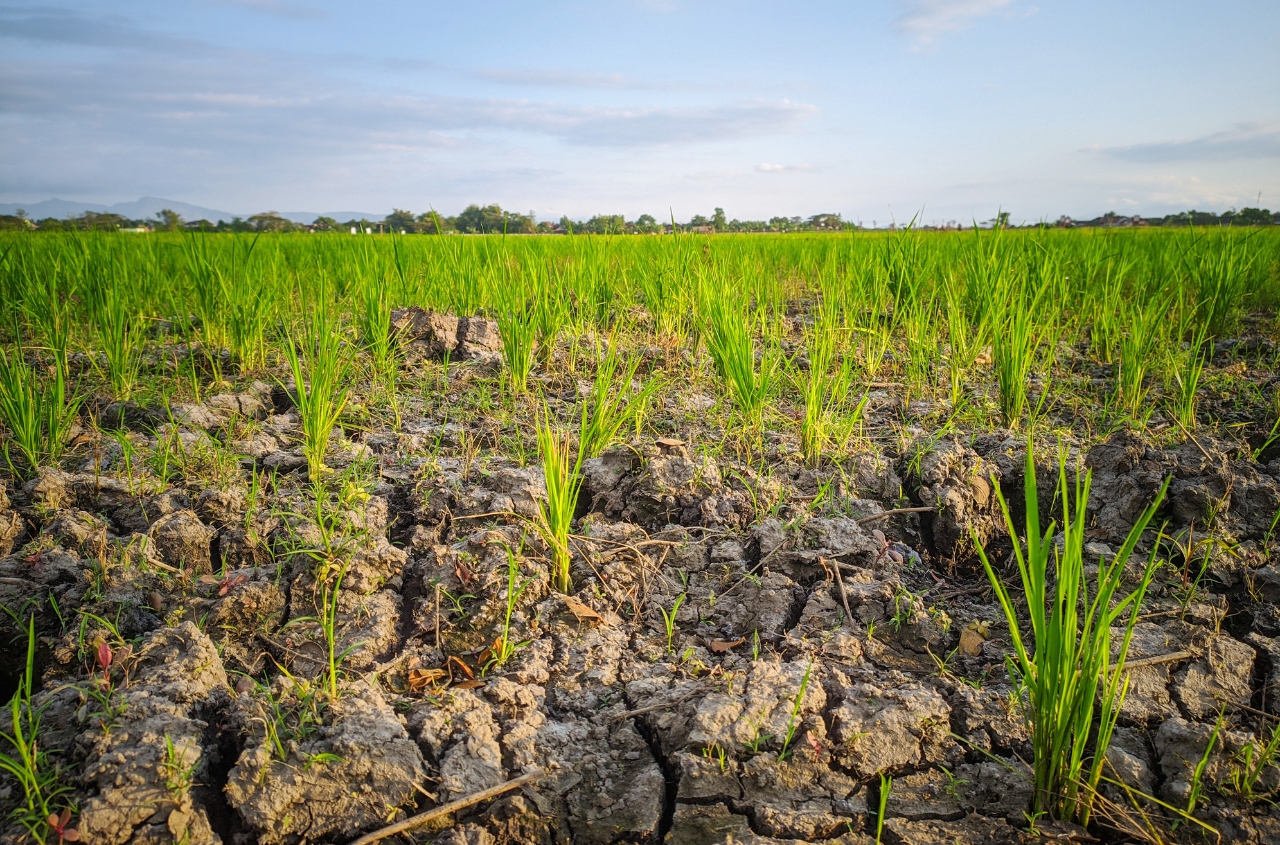
By the end of June, soil moisture conditions varied significantly across the country. On most farmland, productive soil moisture reserves had declined to insufficient levels. In southern, central, and eastern regions, soil drought had either begun or continued to spread and intensify. According to expert estimates, it affected up to 30% of late-season crop acreage.
“In fields with insufficient soil moisture, the condition of sunflower, corn, and soybean crops deteriorated somewhat, with daytime wilting, yellowing, and curling of lower leaves observed. In fields where moisture reserves remained close to long-term averages, no deterioration in crop condition was recorded,” the experts noted.
The hot weather at the end of the month accelerated the accumulation of effective heat, speeding up the ripening of early grain crops and stimulating the development of late-season crops.
Overall, agrometeorological conditions in June were generally satisfactory for the formation of yields of most agricultural crops, although signs of heat stress were observed. As of June 30, winter grain crops in southern, eastern, and central Ukraine had reached the wax or full ripeness stage, while in most western and northern regions the grain was still in the milk stage. Harvesting had already begun in the southern regions, the agency concluded.