

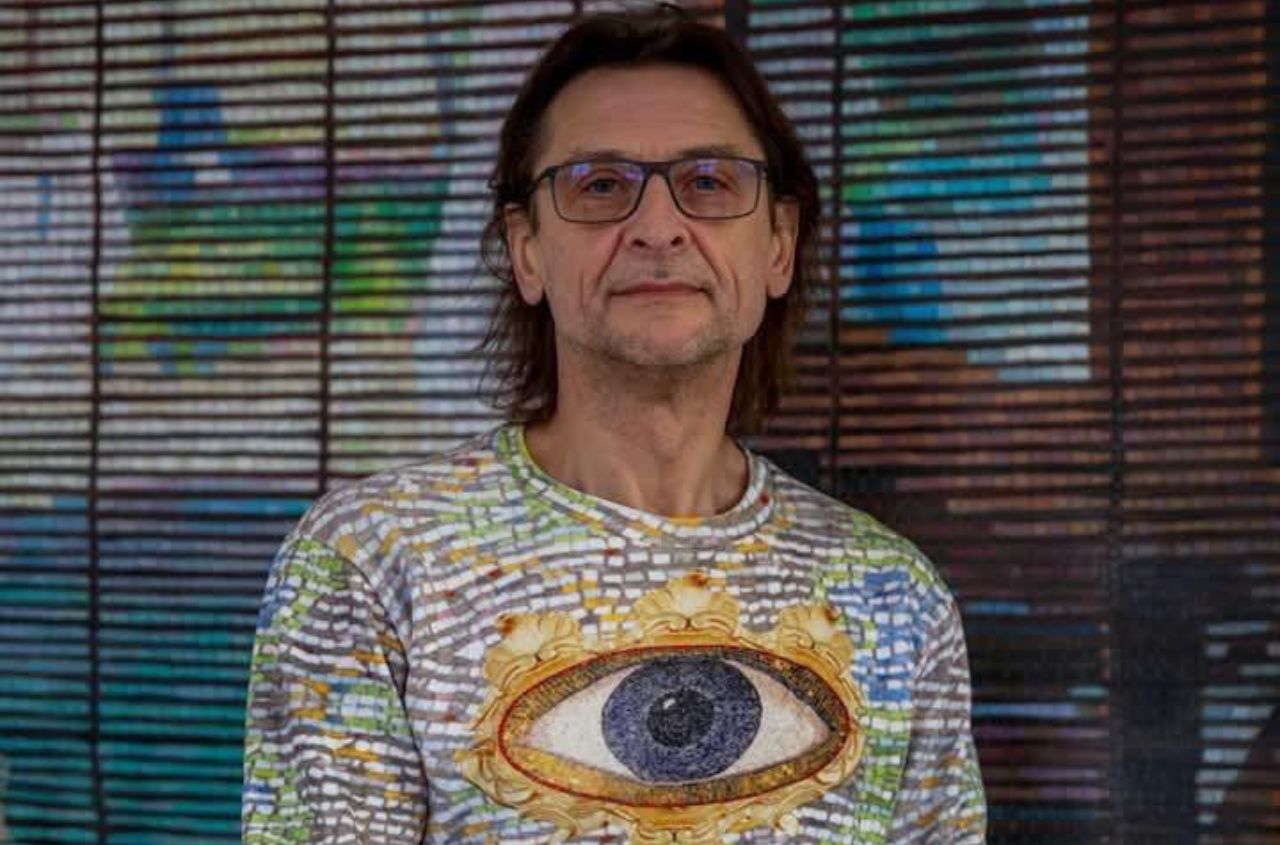

Main image: Anatoliy Gankevich
The fourteenth interview through images by Andrew Sheptunov
Anatoliy Gankevich is one of those Odessa-born artists whose works cannot be mistaken for anyone else’s. Raised in Odessa, he moved from private art studios and self-directed experimentation toward the creation of his own recognizable language, built on a distinctive mosaic-pixel technique. His career grew outside the traditional academic system: first came video, experiments, sketches, attempts to catch the rhythm of reality; later — a deep dive into painting, where he found his point of gravity and a way to speak about time.
His signature technique — an imitation of mosaic assembled from countless tiny segments — allows him to create images that are both material and elusive, as if trembling slightly in space. This is more than an aesthetic choice: for Gankevich, mosaic is a way to depict the world as a structure of memory, where every fragment is part of lived experience, where an image emerges from scattered pieces of past and present.
His works often shift between nostalgia and irony, between the desire to fixate time and the realization of its constant escape. Gankevich transforms city fragments, everyday scenes, beaches, facades, people, and even emptiness into visual codes that viewers intuitively recognize. His art is not a narrative — it is a vibration, a shimmer of light, memory in motion.
The Odessa art scene has long regarded Gankevich as one of the key figures of his generation. His influence extends beyond the artworks themselves — it lies in his
approach: a combination of experimentation, precision, and the ability to perceive depth within simple motifs. For many young artists, he has become an example of how one can build a personal artistic language while remaining in dialogue with the city, culture, and history.
After 2022, his trajectory shifted — war, movement between countries, and work within new conditions in Belgium. Yet even at a distance, he remains deeply connected to Ukraine and Odesa, which continue to resonate in his works as quiet but persistent motifs of memory. Gankevich seems to gather scattered pieces of reality, trying to preserve what is slipping away and give form to what demands reflection.
This is why the format of questions answered through his paintings feels especially accurate and honest. His language is visual; his responses live in texture, rhythm, and the glints of light on mosaic-like surfaces. No words can express as much as the artwork he selects.
Below is a selection of questions to which Anatoliy Gankevich responds not with phrases but with his works. Within these images lie his biography, his views, his experiences, and his way of speaking to the world.
1. Which of your works best reflects your relationship to Ukraine?

2. Which of your paintings is your idea of freedom?
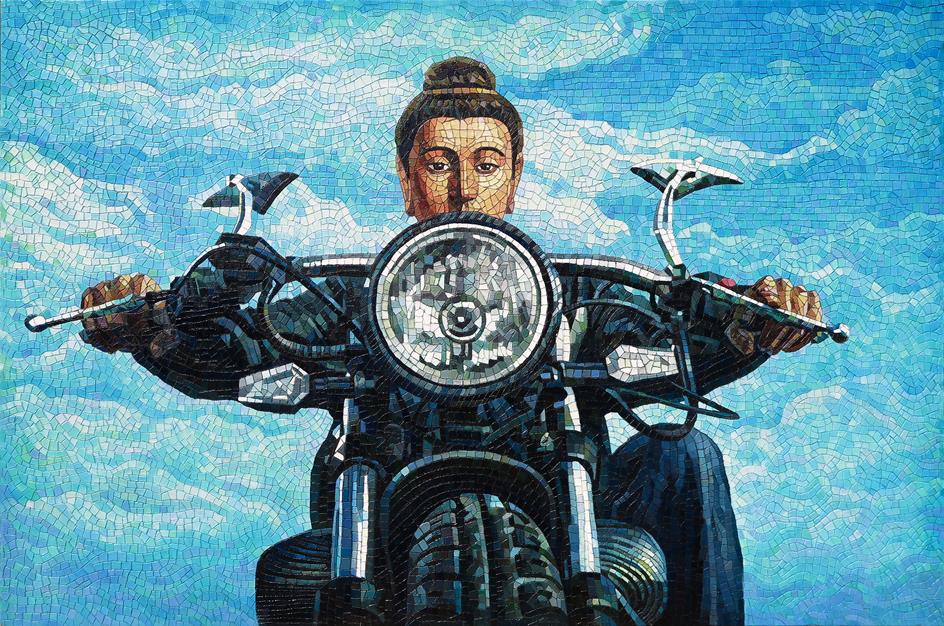
3. Which work would you call your most honest self-portrait — even if it isn’t a portrait?
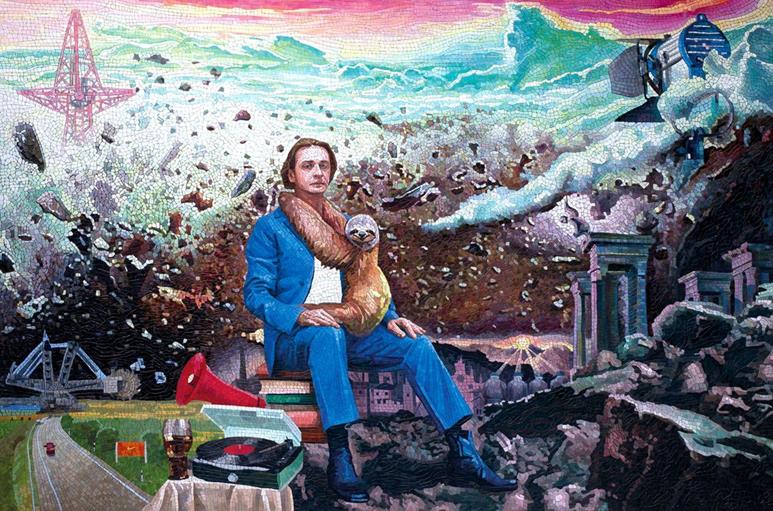
4. Which of your paintings speaks about war more powerfully than any words?

5. If you had to choose one work as a symbol of your Odessa, what would it be?
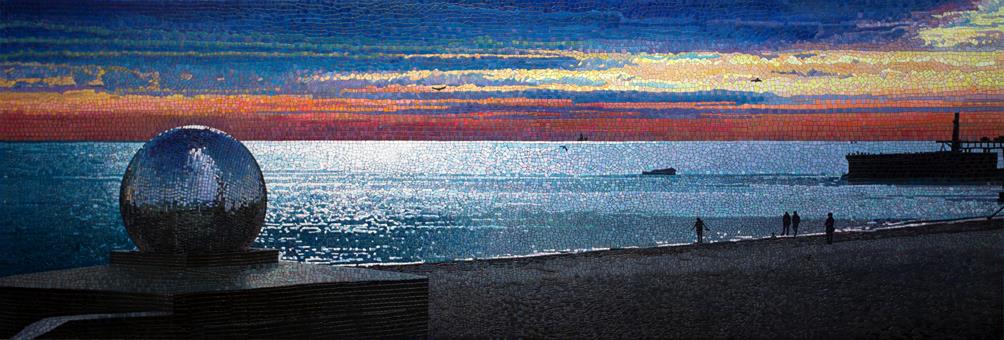
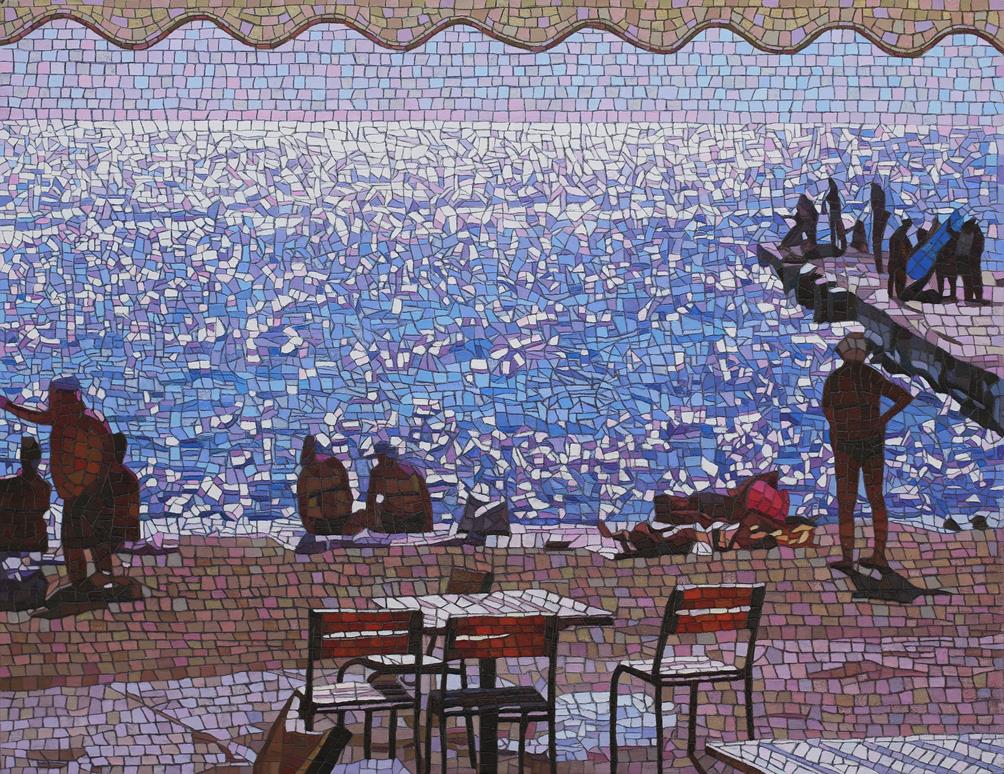
6. Which work for you is about home — and the loss of home?
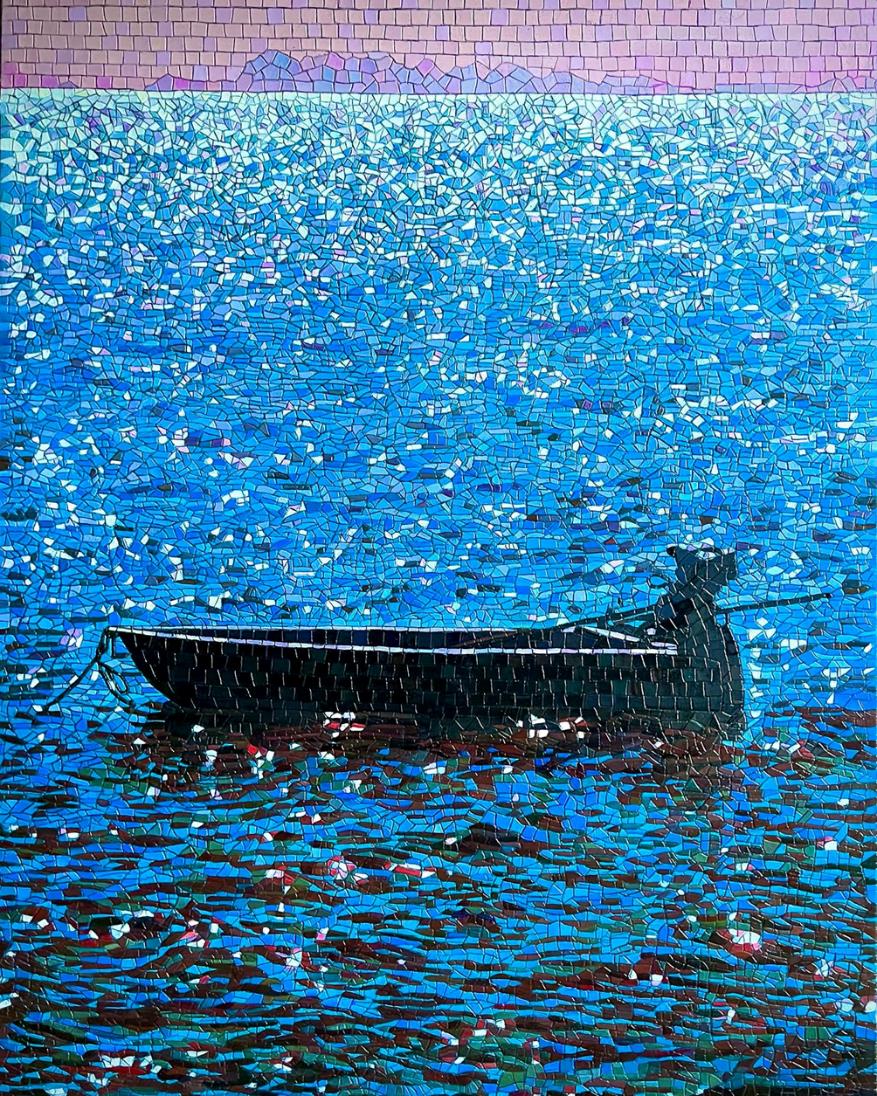
7. Which of your works became a turning point for you?
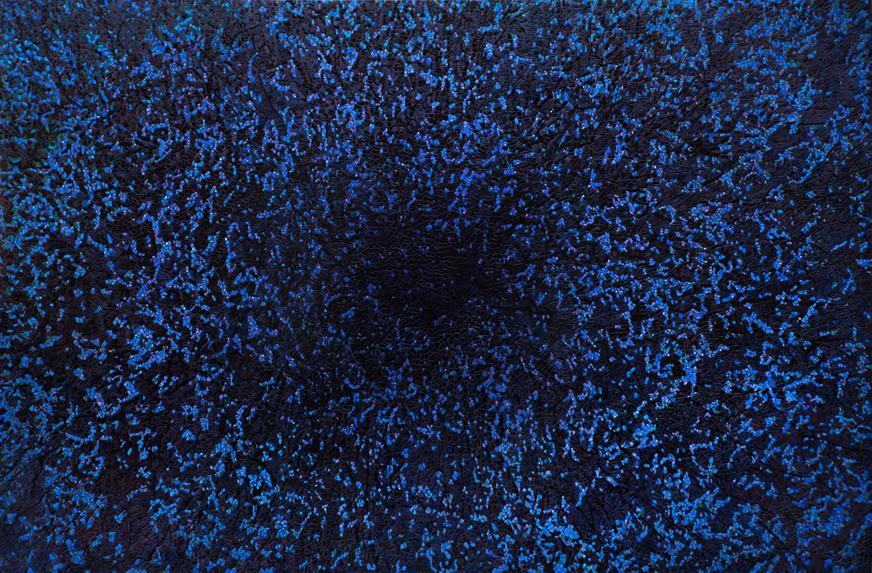
8. Is there a piece into which you placed a sense of faith or doubt? Which one?
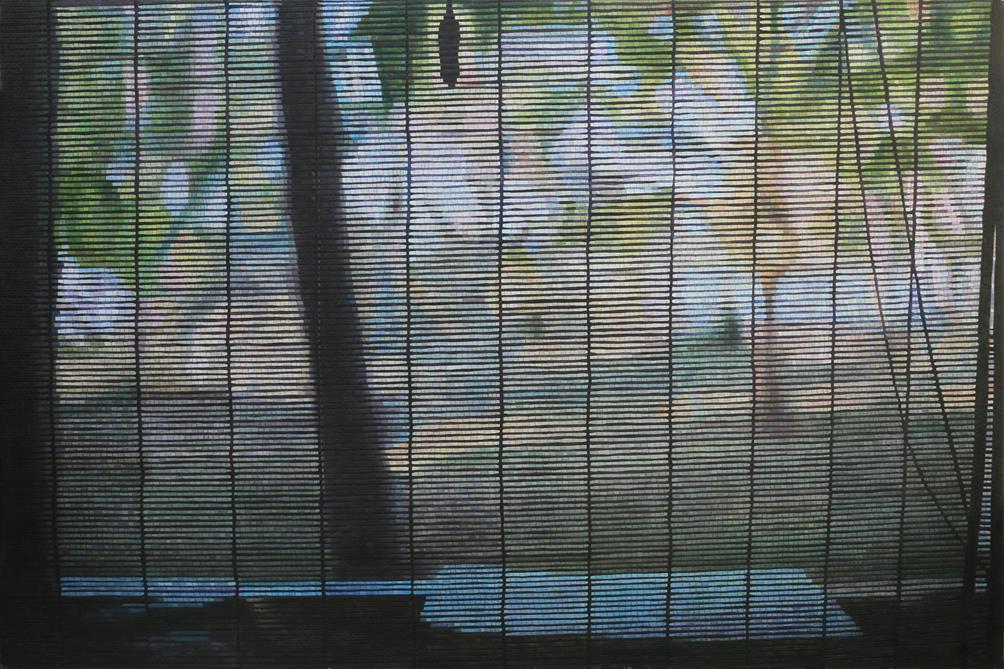
9. Which painting would you show to someone who knows nothing about you?
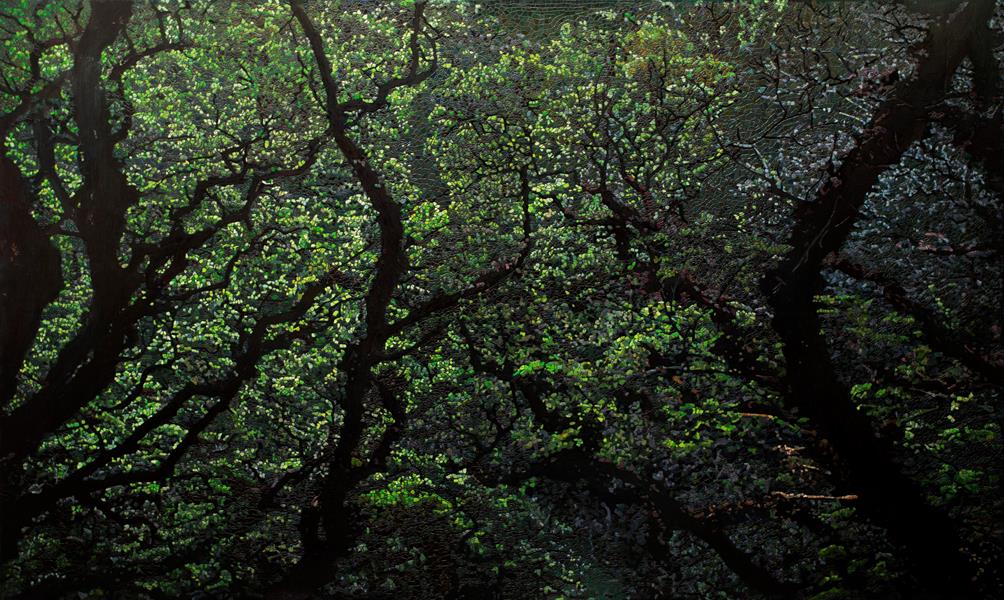
10. Which of your works do you consider your most emotional?
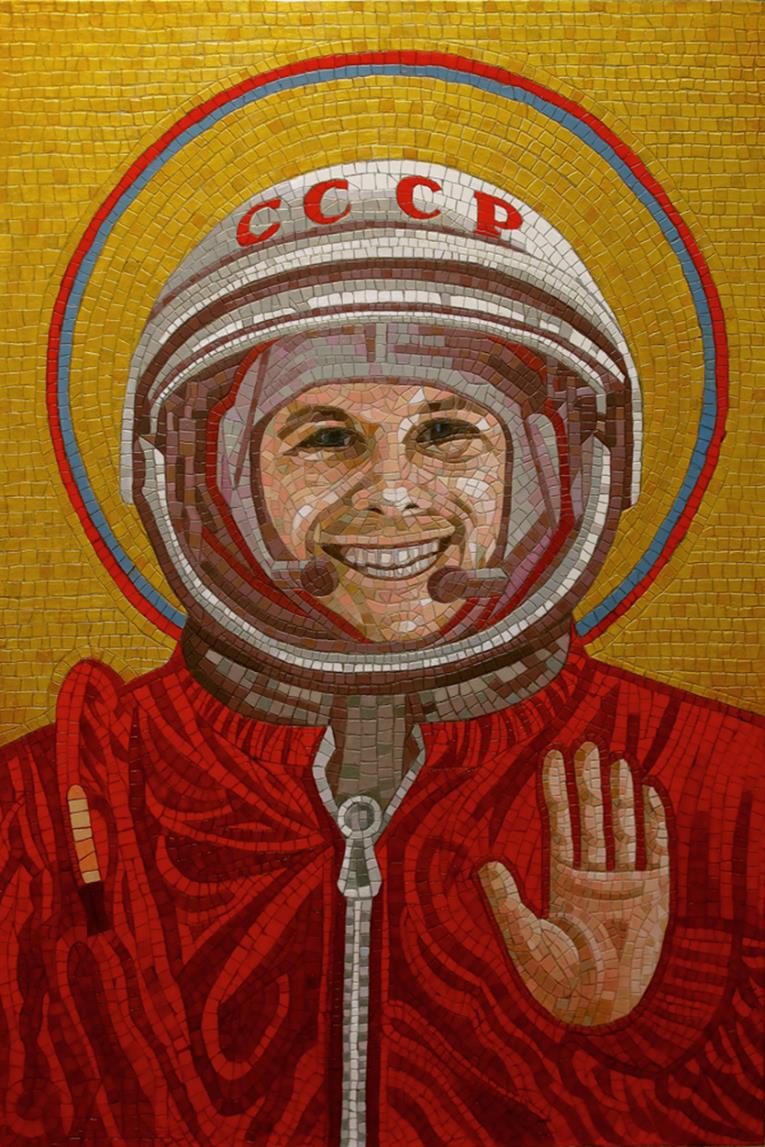
11. Which work most precisely expresses your idea of “pixel flicker”?
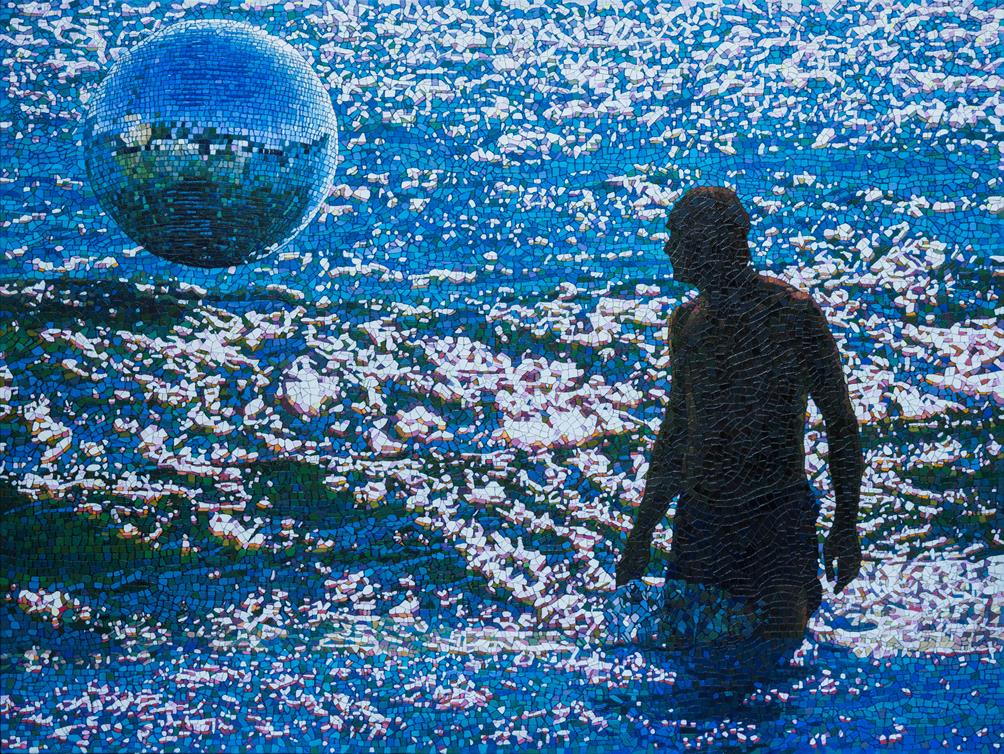
12. Which painting best conveys the feeling of time — its flow, fragility, or suspension?
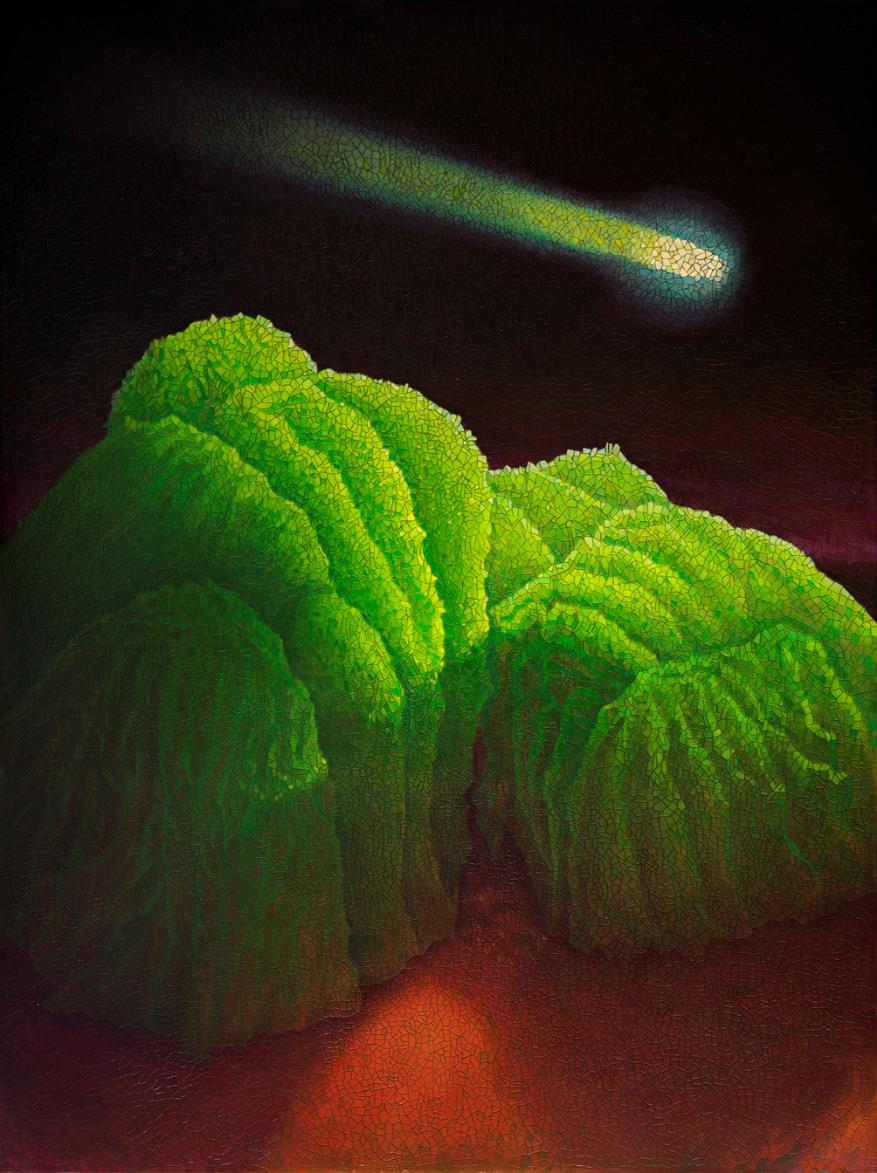
Each of these works is more than a visual image — it is an independent gesture in which experience, memory, and a personal way of seeing the world converge. From early experiments to his latest canvases, Gankevich has built a language in which mosaic is no longer merely a technique but a way of thinking and sensing. His paintings continue to live their own lives, revealing what cannot be spoken aloud: the vulnerability of time, the strength of light, the rhythm of the city, the fragility of human presence.
This dialogue through painting demonstrates how consistent and focused Gankevich is in addressing the themes truly important to him — from the personal to the historical. Odessa, the journey, war, the search for silence, internal fractures, and the attempt to reassemble reality piece by piece — all of these intertwine in his art. His answers-as-paintings become a kind of guide to his inner world, with each work serving as an open doorway for the viewer.
Thus, a holistic portrait emerges — an artist who remains loyal to himself even as circumstances and geography change. His works continue speaking softly, precisely, sometimes painfully — and this is their strength. Gankevich does not impose interpretations; he invites us to look closer, to listen to the rhythm of texture, to breathe in the flicker that animates his painting.
And if new questions arise after these questions and answers — then the goal has been reached. For Gankevich’s art exists to keep the conversation going, to leave room for reflection, to draw the viewer back to the canvas again and again as to a place where new meaning may emerge.
You can explore more of the artist’s works on: