


The Ministry of Defense of Ukraine held a meeting with NATO military attachés and other partners, presenting the current state of digitalization in accounting for the Ukrainian armed forces’ defense resources, as well as key priorities for digital transformation and development plans.
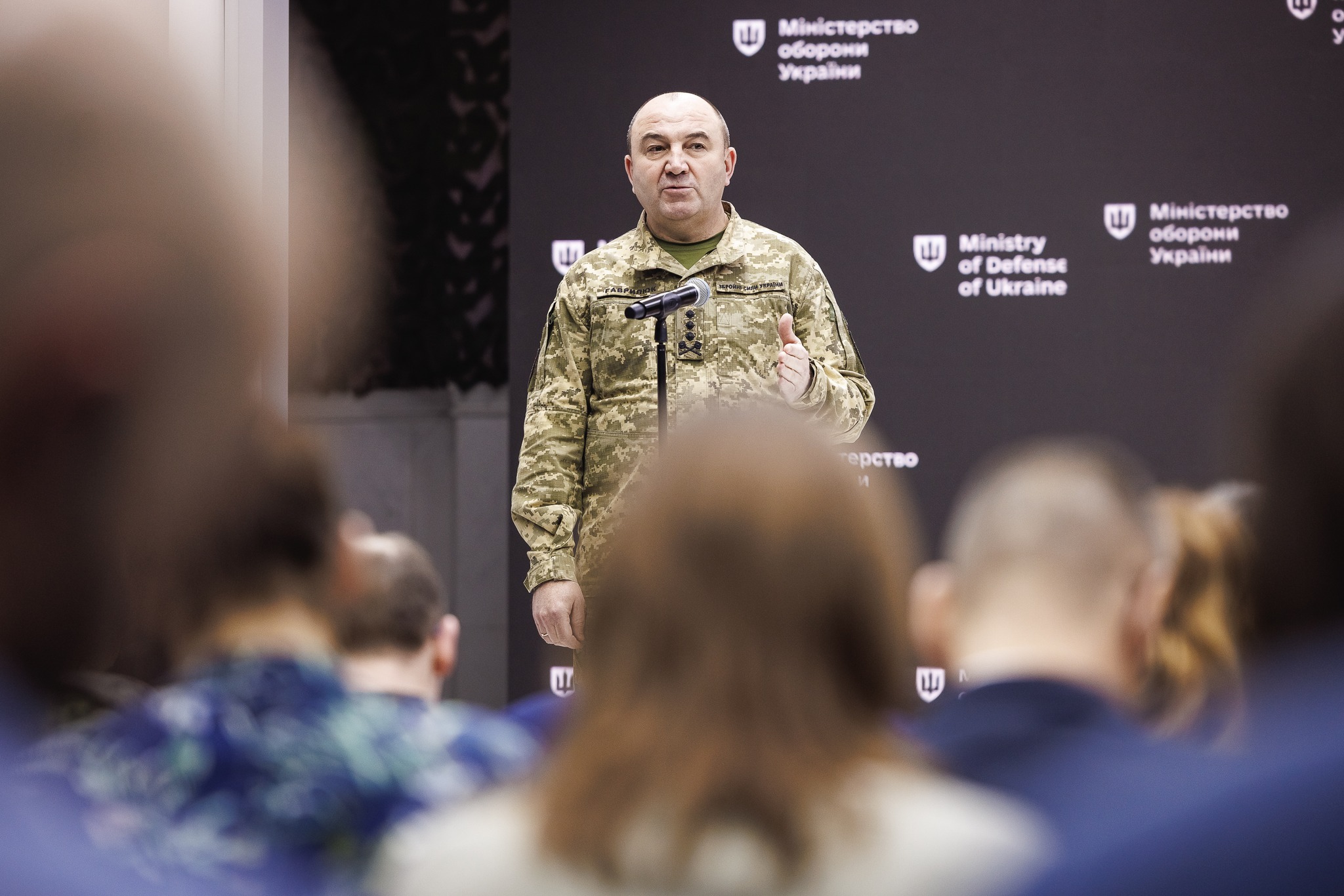
The meeting was opened by First Deputy Minister of Defense, Lieutenant General Ivan Havryliuk. He thanked international partners for their support from the very first days of Russia’s full-scale aggression and praised the Ministry of Defense team for their work in digital transformation.
“Openness and transparency are key factors for trust and effective cooperation with partners. The fundamental principle of building efficient logistics is maximum digitalization of processes and control. That is why the Ministry of Defense is actively implementing digital solutions in logistics. This ensures transparency in accounting for the armed forces’ resources and speeds up the provision of needs to our units,” he added.
Ministry representatives demonstrated to partners how the digital accounting system works, including tracking international military aid—from the moment of receipt to distribution and use in military units. Partners observed how digital tools ensure transparency, clarity, and speed in logistics processes during a full-scale war.
“We are building a system in which every defense resource—from equipment to spare parts and supplies—has a clear digital trace. The result is efficient resource management, timely support for the military, and full transparency to the country and our partners,” emphasized Oksana Ferchuk, Deputy Minister of Defense for Digital Development, Digital Transformation, and Digitalization.
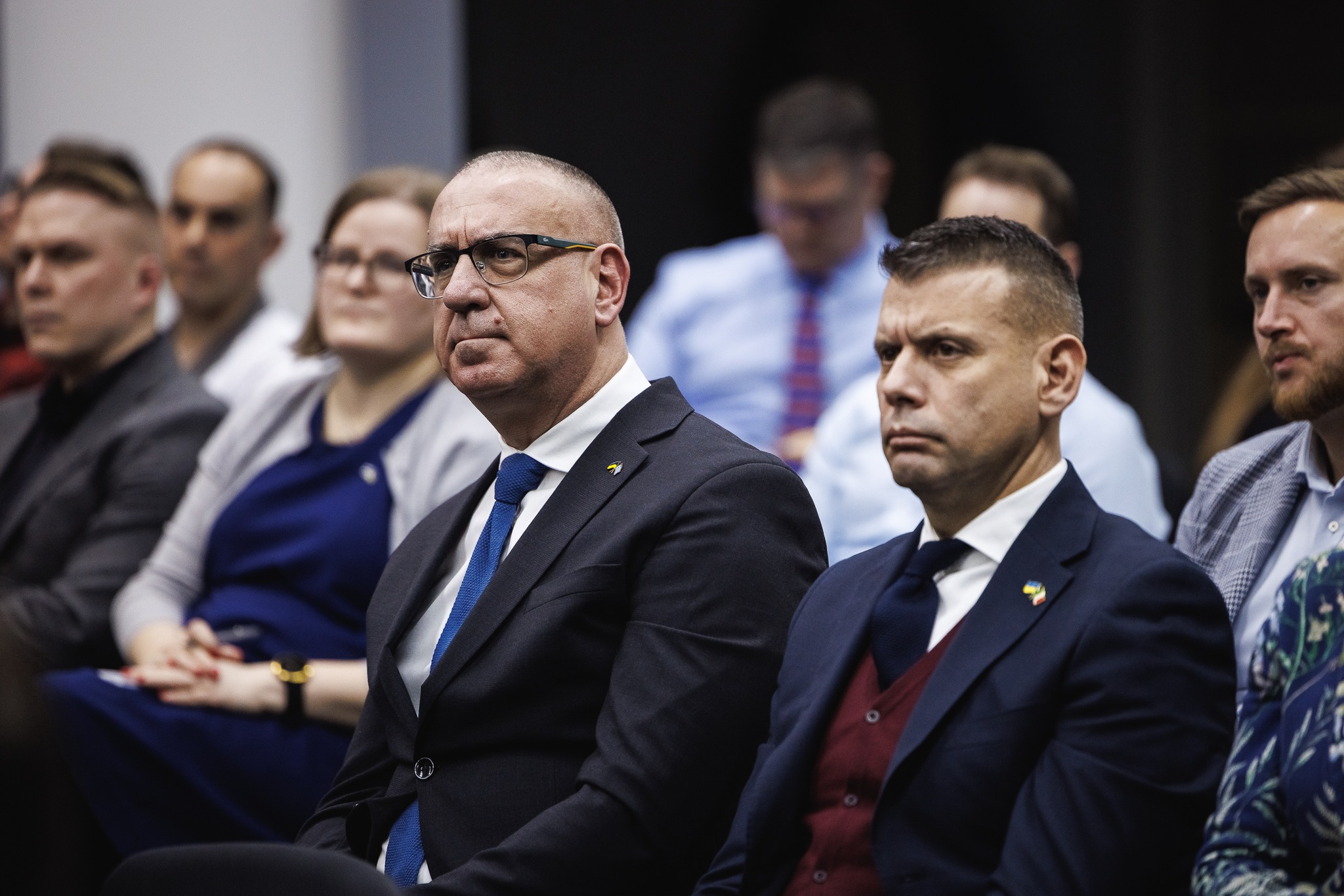
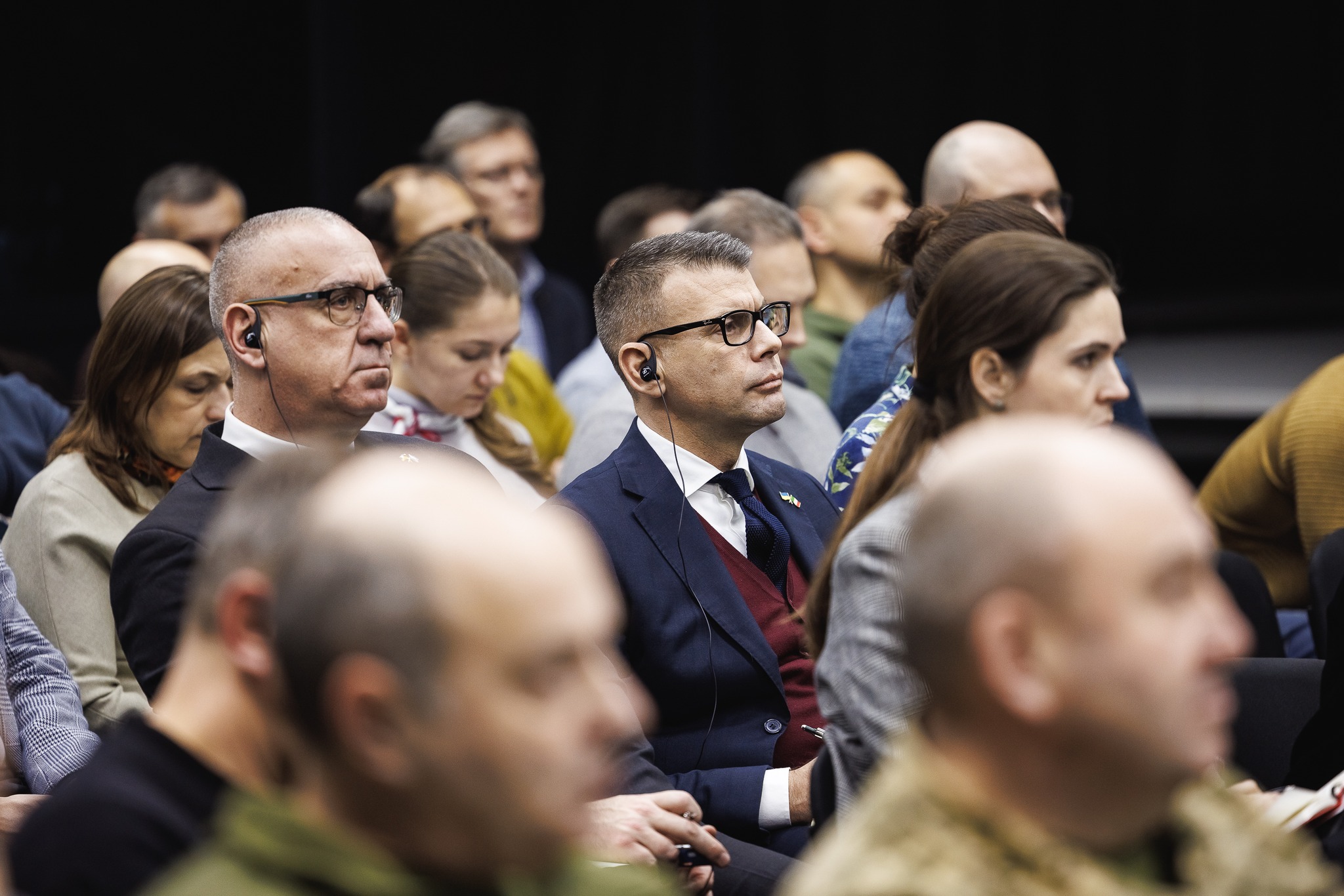
“For Germany, as one of the largest donors of military aid, it is extremely important to see that Ukraine ensures transparency in accounting. This event gave us a clear understanding of the process each unit of equipment undergoes—from the donor country to the end user. Ukraine is showing significant progress in digitalization, and in this respect, we as partners can learn from it. We highly value the Ministry of Defense of Ukraine’s openness and willingness to share experience,” commented Brigadier General Joachim Franz Kashke, Head of the Special Staff for Ukraine at the German Federal Ministry of Defense.
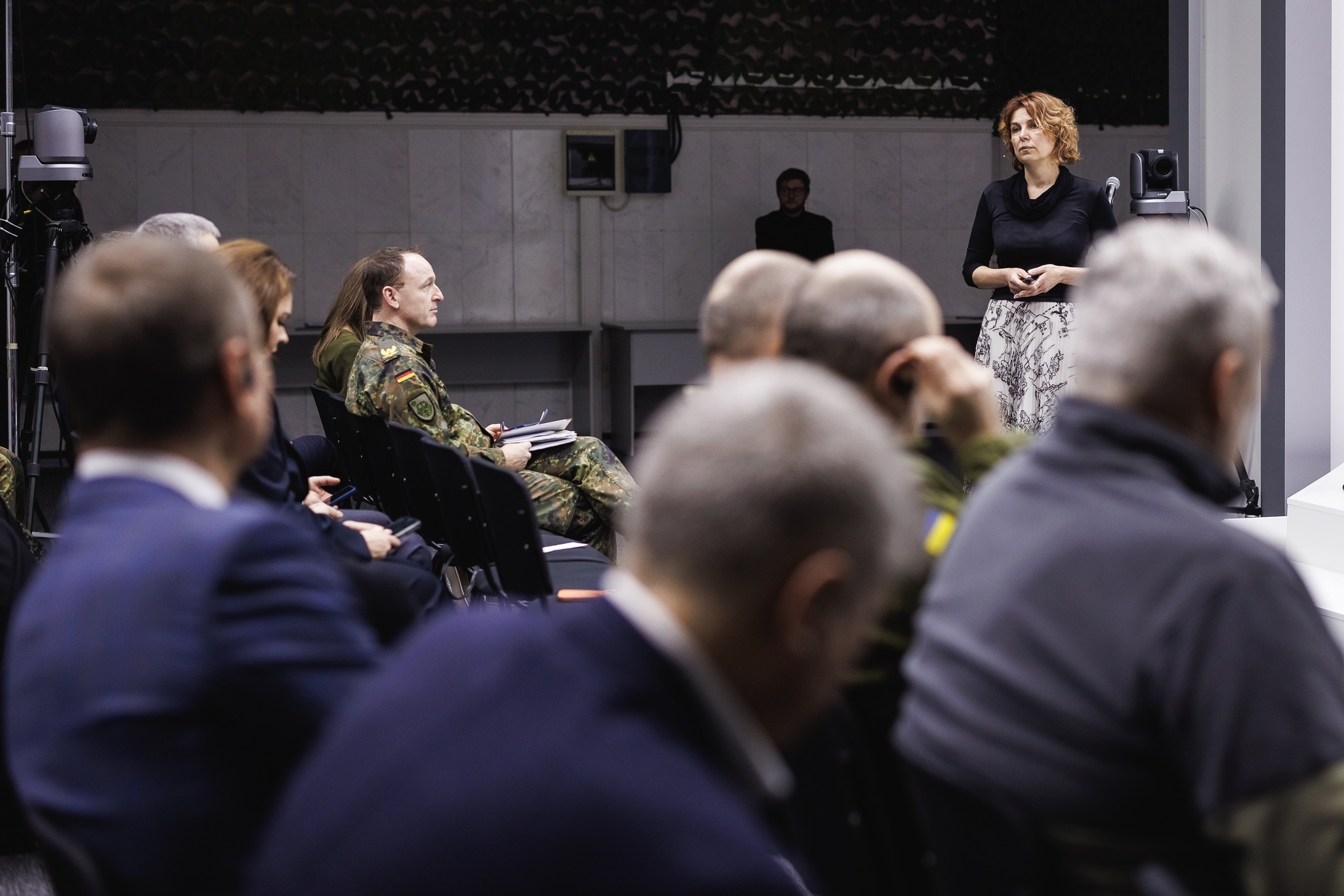
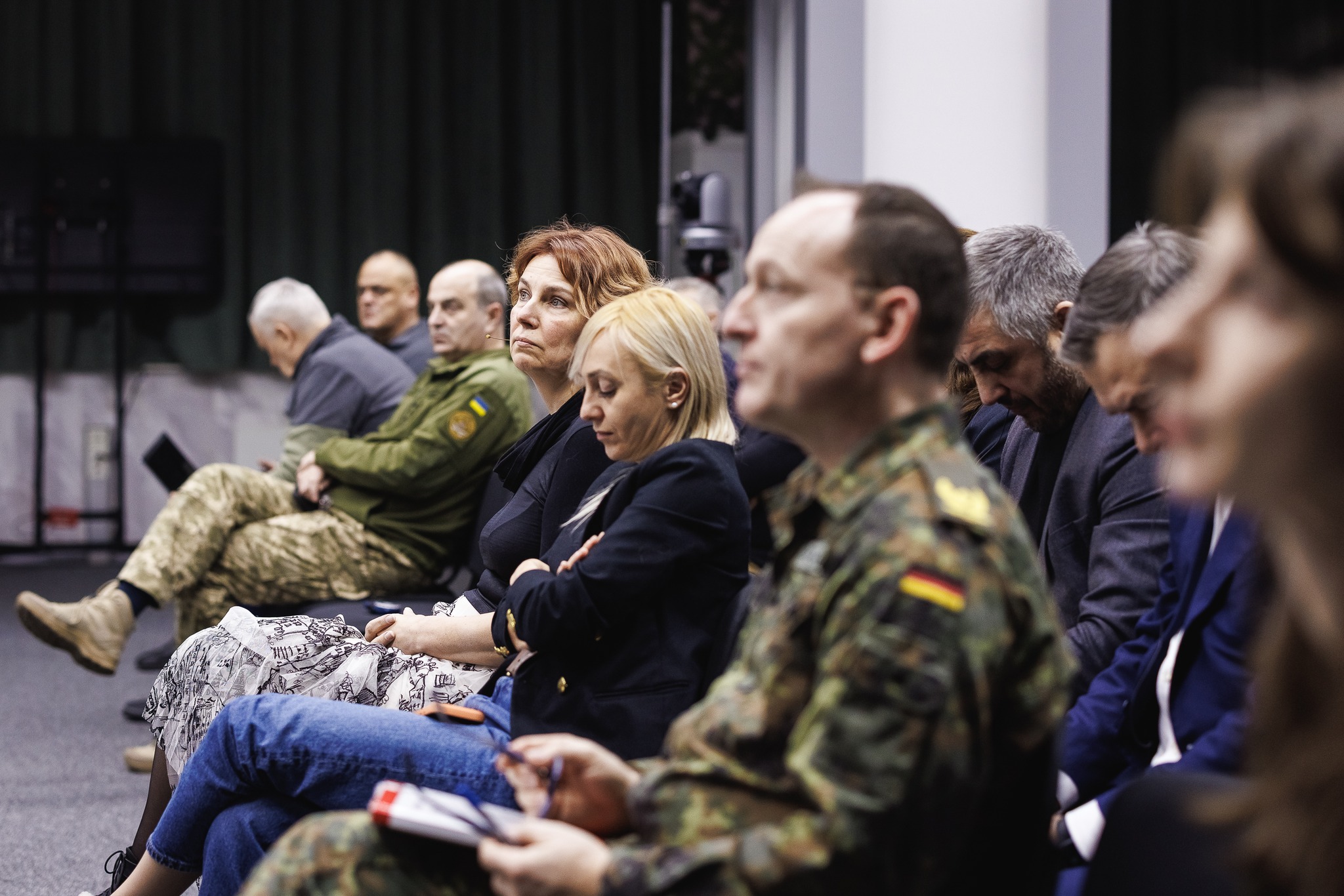
The meeting also focused on general priorities for military digitalization—from modernizing procurement and building a modern IT infrastructure to creating a unified digital resource management system. Participants were also presented with the current state and development plans of the IT coalition—a network of 17 partner countries supporting the Armed Forces of Ukraine and the Ministry of Defense in IT, communications, and cybersecurity. The IT coalition serves as the main platform for coordinating international support for digital projects in the defense sector.
Currently, about one thousand military units already use digital accounting based on SAP, a data-driven resource management program used by over 90% of NATO armies. Thanks to this system, requests from units are processed within days instead of weeks. It allows tracking resources down to the serial number level and generating automatic reports for the state and partners.
This is a long-term reform: throughout 2026, the Ministry of Defense plans to completely phase out paper documentation in logistics processes and fully transition to digital accounting. This will allow the military to make decisions even faster and use resources more efficiently.