


The updated decision of the National Security and Defense Council of Ukraine (NSDC) extends sectoral sanctions to the entire financial sector of the Russian Federation, covering not only already known but also future financial instruments and mechanisms for bypassing international restrictions. This will allow Ukraine to more effectively counter Russia’s adaptation to sanctions pressure.
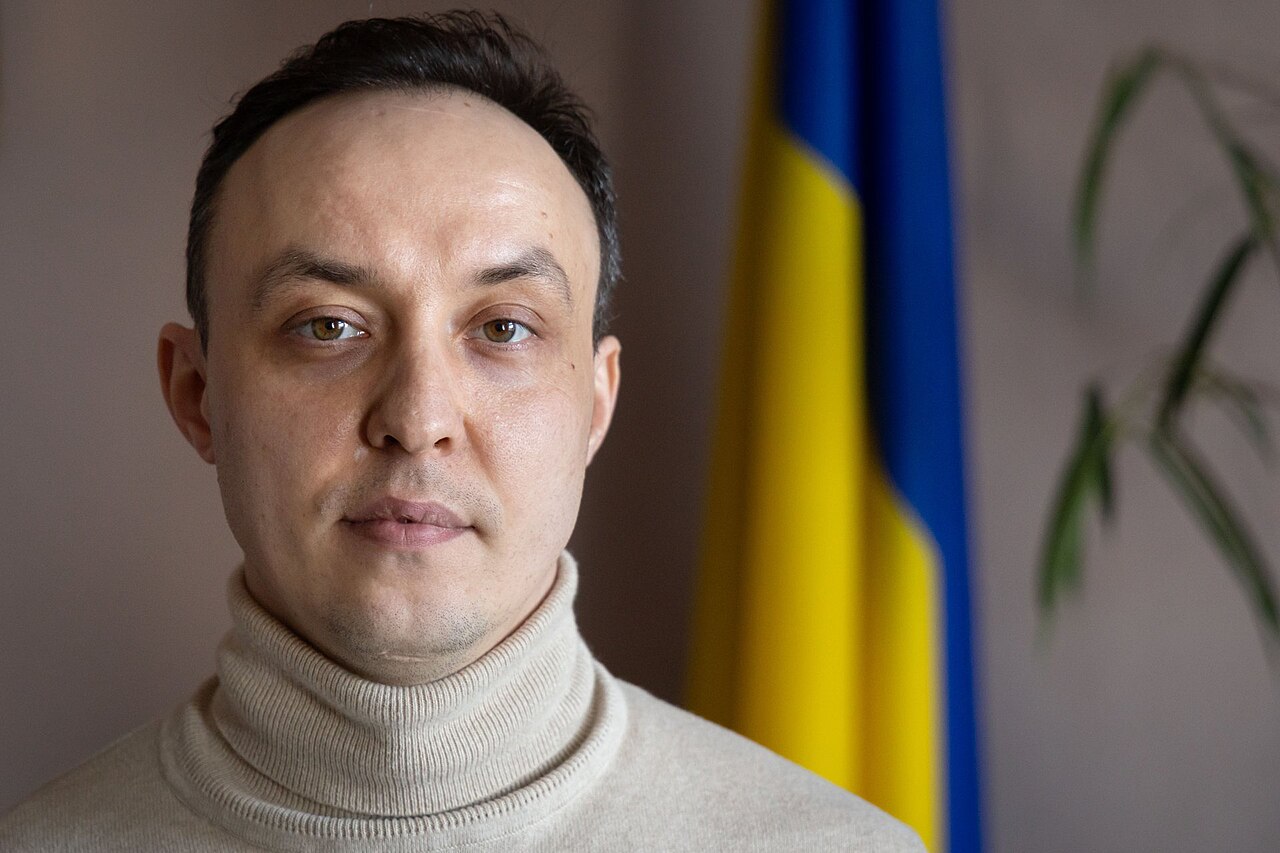
"Russia is constantly adapting mechanisms to circumvent sanctions. Therefore, the sanctions regime must also be regularly updated. The NSDC decision on sectoral sanctions against the Russian financial sector, approved by the Verkhovna Rada, makes it possible to block new schemes and increase pressure on the financial system of the aggressor state," said Vladyslav Vlasiuk, the President of Ukraine’s Commissioner for Sanctions Policy.
According to him, sectoral sanctions against Russia’s financial sector have been in effect since 2022, and the updated NSDC decision adapts them to new methods of circumventing restrictions that Russia has developed during this period.
Vlasiuk noted that the decision, in particular, extends the sanctions regime to virtual assets, digital financial services, and other infrastructure used by Russia for international payments in circumvention of sanctions.
According to him, virtual assets have become one of these instruments. Russia is increasingly using cryptocurrency infrastructure, ruble-denominated stablecoins, and specialized payment platforms for international settlements. He recalled that the European Union has already imposed sanctions on related infrastructure, including the ruble stablecoin A7A5.
As an example, Vlasiuk cited the A7 financial platform, which, according to him, is used for international payments bypassing sanctions. Through it, payments are made for supplies, including electronic components and other dual-use goods. According to available estimates, the monthly volume of such transactions exceeds $5 billion.
At the same time, according to the President’s Commissioner, A7 is only one element of the new financial infrastructure Russia is building to circumvent sanctions. This ecosystem also includes A71, A7 Agent, and other related entities created to facilitate international payments and sanctions evasion.
Vlasiuk emphasized that the updated NSDC decision aligns Ukraine’s sanctions regime with the European Union’s approaches to countering sanctions evasion through financial technologies and virtual assets.
"At the same time, Ukraine has gone further. While the EU sanctions individual crypto-assets and related infrastructure, Ukraine’s decision extends sectoral sanctions to the entire financial sector of the Russian Federation. This covers not only already known but also all future financial instruments and mechanisms for circumventing sanctions," he stressed.