


In the negotiations on the Russia-Ukraine war, the issue of withdrawal from Donetsk region is a cornerstone because, unlike words, it is physical. Security guarantees, NATO, non-NATO, Article 5, not Article 5, observers, demilitarized zones, economic projects, even the size of the Ukrainian Armed Forces—these are all words; today they exist, tomorrow they might not. They can be reconsidered, deceived, twisted, said one way and then acted another.
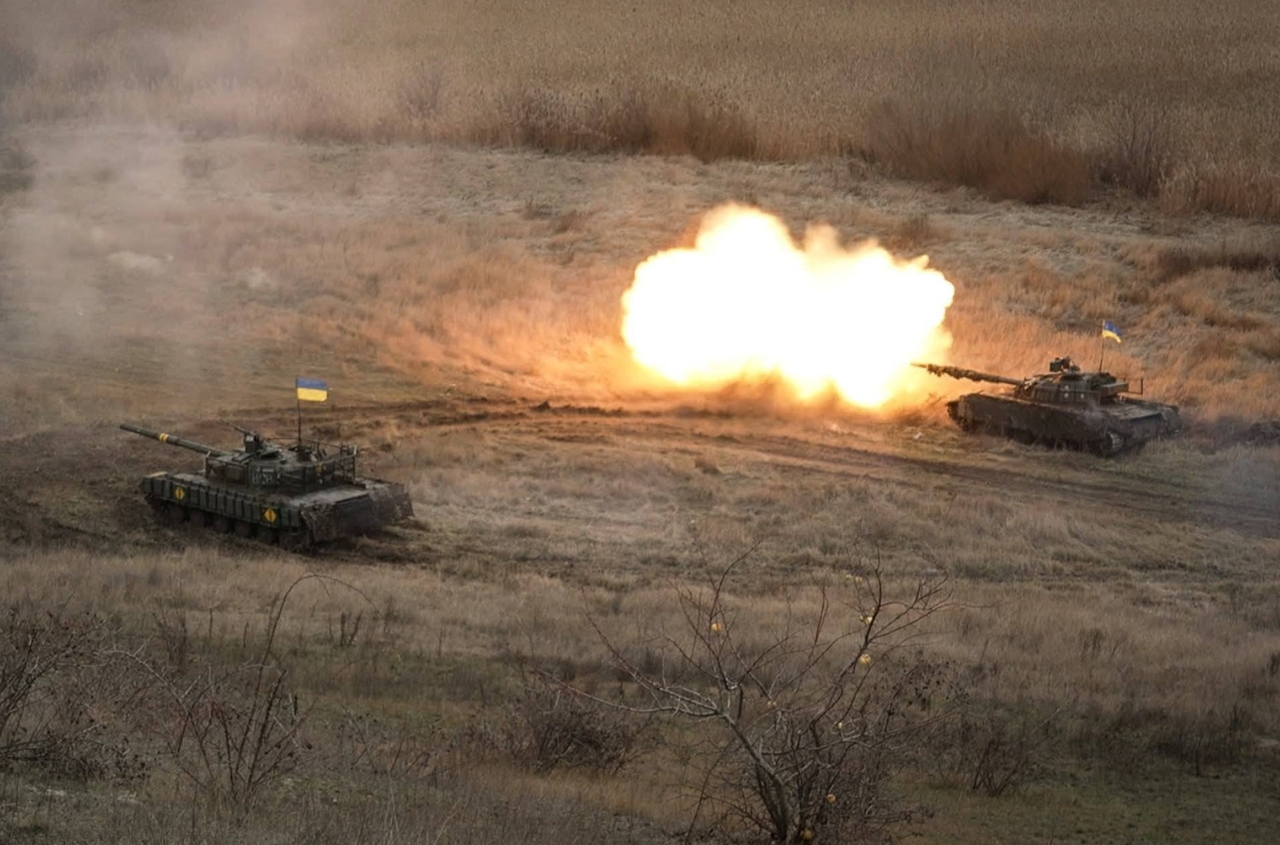
The main remaining fortified area—Sloviansk-Kramatorsk-Druzhkivka-Kostiantynivka—if the war continues, would take the Russians at least a year, maybe two, to capture. Therefore, withdrawing from it is a very large concession on Ukraine’s part, and it’s clear why many in Ukraine oppose it. Whether Russia will use this as a bridgehead in the next war is unknown—it may act elsewhere—but right now the Russians are heavily stumbling over this area, and if it is handed over, they will not stumble. Perhaps the Ukrainian leadership will decide that making this concession is worth it to end the war, especially given the strong U.S. pressure, but this is indeed a major, real concession in purely military terms.
If the parties eventually sign the discussed limitation of the Ukrainian Armed Forces to 800,000, it will be a pure formality, almost like writing “no limits.” In peacetime, Ukraine physically cannot maintain such an army, but as a symbolic “agreement to a limit,” it could be used if desired. This differs from the demands of the first Istanbul talks, where actual limitations were wanted. But for now, these are just discussions.
Any European guarantees, in any form, are worthless without Europe’s real readiness to fight Russia. If ready—they will fight; if not—no piece of paper will help. The U.S. does not even want to issue guarantees and does not intend to fight for Ukraine, even verbally. The “Korean option” worked because the Americans had already fought and saved South Korea with their military during the Korean War; there is now a U.S. military contingent there, ready to act if needed. Ukraine has no such promise; observers and others will quickly disappear if things go wrong.
We’ve seen this in the Arab-Israeli wars. In 1967, Nasser blocked the Tiran Strait and ordered UN forces out of Sinai—they left immediately. The U.S. State Department claimed it didn’t remember giving Israel any guarantees on freedom of navigation in the strait in exchange for the IDF’s withdrawal from Sinai. So Israel had to go to former President Eisenhower, who confirmed that such guarantees had indeed been given. But the U.S. took no real action, and Israel solved the problem on its own. This is the cost of all these guarantees and international contingents when there is no real will to fight.
Allegories about how, during the Russian advance, the snail would have already reached Vienna while the Russians only reached Pokrovsk ignore the fact that nothing was stopping the snail in this fable. Otherwise, it wouldn’t have gotten anywhere.
In Kupiansk, the Ukrainian Armed Forces have tactical successes, which is why Zelensky quickly held a photoshoot as a PR move. But operational-tactical results have not yet emerged. On other parts of the front, the situation remains unchanged: the tightening around Pokrovsk-Myrnohrad, which Ukraine can stretch both practically and for media purposes, Huliaipole, etc. The overall strategic trend has not changed.
Ukrainians conducted a complex operation, attacking a Russian submarine in Novorossiysk with an underwater drone. Naturally, Ukraine reports greater success, and Russia reports less—that’s the nature of propaganda in war. Based on current information, damage to the submarine is small. If, during later inspection and repairs in drydock, it turns out greater than initially assessed, Ukraine’s achievement will be even higher. But it is already an impressive operation: to penetrate a protected base through barriers, surveillance, patrol boats, helicopters, divers, etc., and deliver such a strike—even if slightly off-target—is nontrivial.
Ukrainians have already shown many tricks and clever operations in this war, and this is another example.