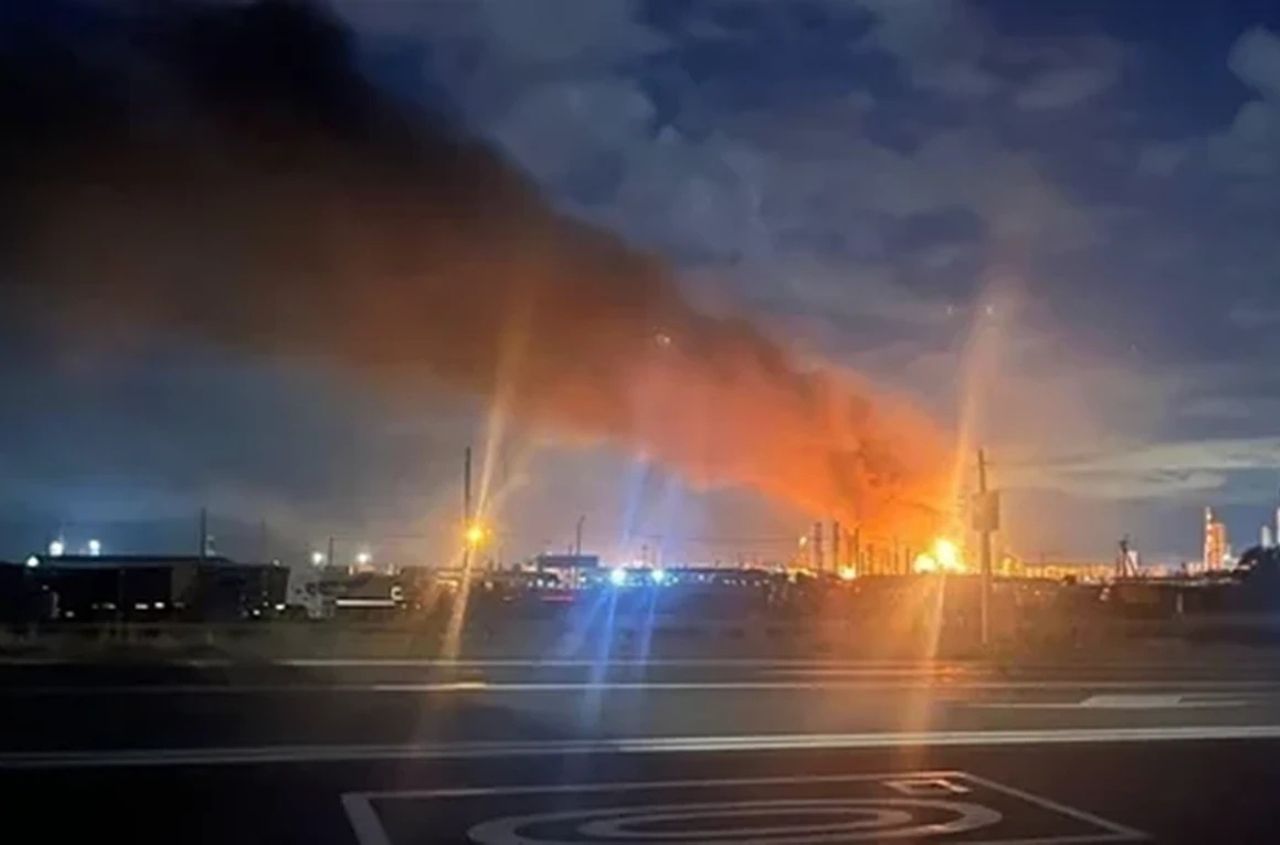


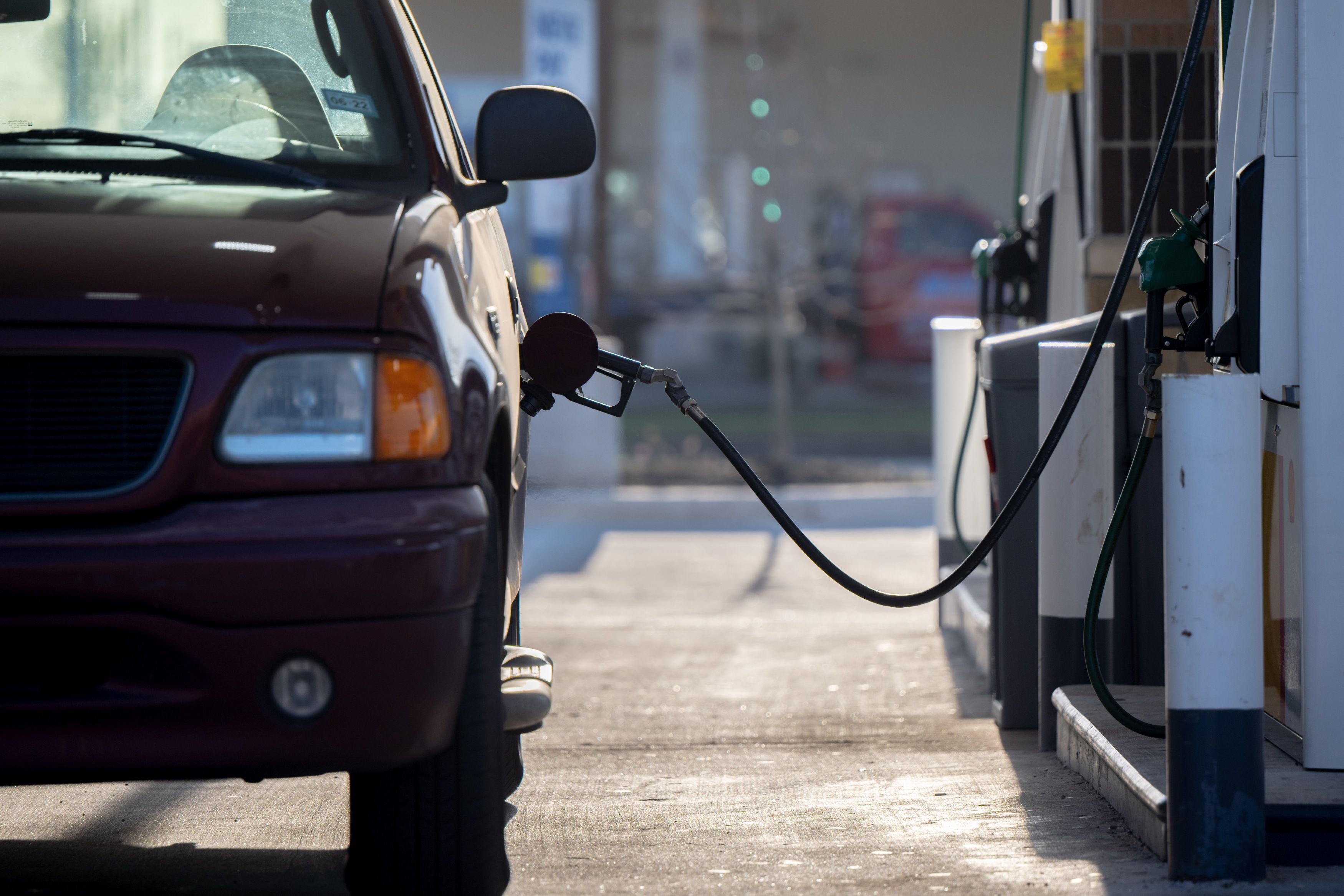

In 2025, fuel price growth in Russia went beyond normal inflationary trends: retail gasoline prices rose by 10.8% and diesel prices by 8%, while officially declared inflation stood at 5.6%. The key factor was unscheduled repairs at oil refineries, which led to a significant reduction in output.
In an effort to stabilize the market, the Russian authorities were forced not only to maintain but also to extend the ban on gasoline exports—first prolonging it until September 30, 2025, and later until February 28, 2026.
An additional blow to the refining sector came from reduced state support: payments under the fuel damping mechanism for the first 11 months of 2025 were cut in half. In response, vertically integrated companies offset losses through the domestic market. In November 2025, producer prices for gasoline rose by 14.5% year-on-year, while retail prices increased by 12.8%.
Against this backdrop, falling global oil prices pose an additional risk. As before, companies are likely to shift losses from crude exports onto domestic consumers by raising gasoline and diesel prices.
Even with partial recovery in production, Russia’s fuel sector remains fragile. In 2026, the market is expected to face renewed price spikes regardless of trends in petroleum product output. The system’s vulnerability will continue to grow due to the combination of administrative restrictions, financial pressure, and external market conditions.