


Russia’s civilian economy is contracting. While the Kremlin continues to tout its "resilience," the real economy is sending the opposite signals: mining companies are mothballing deposits, machinery manufacturers are revising production plans downward, digital infrastructure projects are being halted halfway through construction, and steelmakers are idling blast furnaces. Tight monetary policy, sanctions pressure, and chronically weak domestic demand are turning isolated problems into systemic decline.
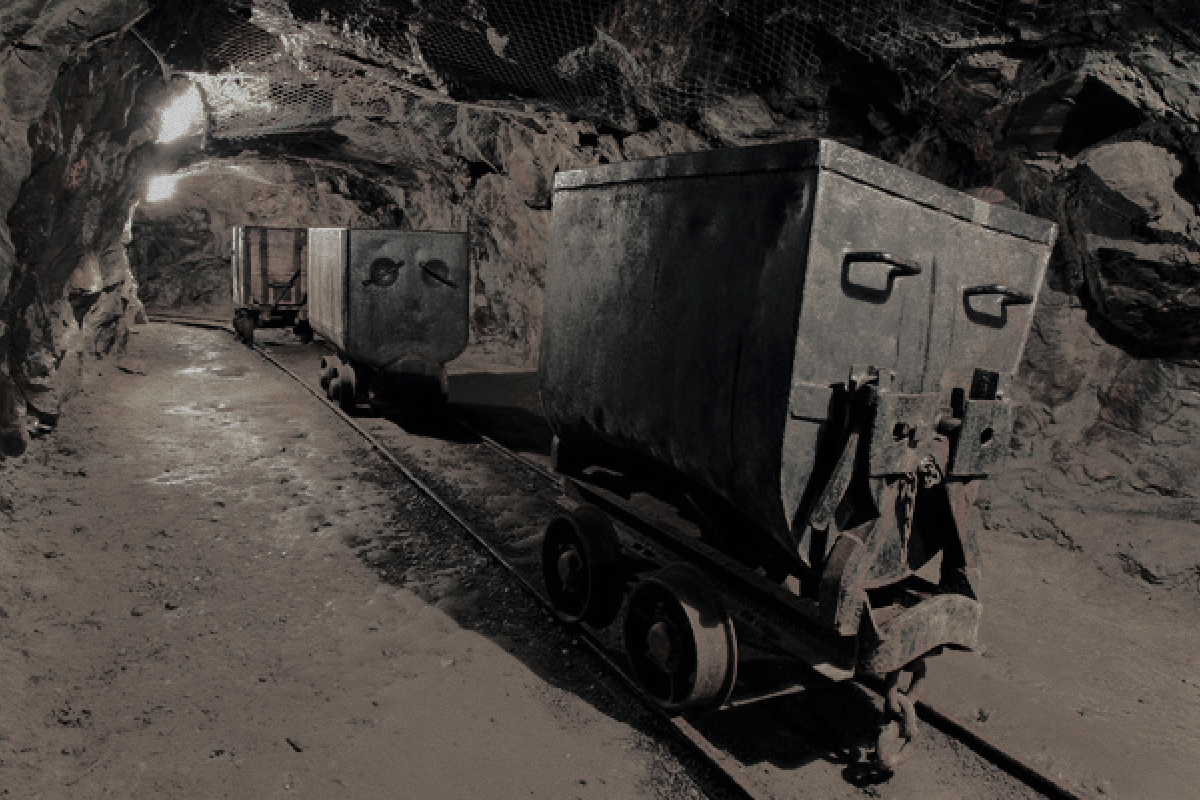
Starting July 1, ALROSA is suspending mining operations at its Severalmaz division in Russia's Arkhangelsk region for three months. The site includes the Lomonosov diamond deposit, which accounts for about 10% of the company's total diamond production. Officially, the move is aimed at maintaining financial stability amid the global diamond market downturn. However, the broader context is more telling. ALROSA controls more than 90% of Russia's diamond production and around 30% of global output. Throughout 2024–2025, the company mothballed the Verkhnyaya Muna deposit and part of Almazy Anabara's operations, while also placing some employees on reduced working hours. The latest shutdown is not an isolated measure but another step in a broader pattern of retrenchment.
AvtoVAZ is also revising its 2026 production plan. The company had expected to manufacture 400,000 vehicles, including 30,000 for export. Foreign markets failed to absorb the planned export volumes, while domestic demand has proven too weak to compensate. The outcome is predictable: lower production. The situation illustrates the broader problems facing Russia's automotive industry, which lacks both reliable export markets and sufficient domestic purchasing power.
Russia's digital infrastructure is in similarly poor condition. As of June, 38 data center construction projects worth a combined $1.67 billion have been frozen. The main reasons are lack of financing and insufficient electricity capacity. Between 2023 and 2026, the number of data centers under active construction fell by 41.6%, while investment in the sector declined by 26.3%. Under such conditions, claims of digital transformation appear increasingly unrealistic.
The steel industry is experiencing perhaps the sharpest downturn. Magnitogorsk Iron and Steel Works (MMK) has idled part of its blast furnace capacity, cut pig iron production by 30%, and reported capacity utilization below 60%. Severstal expects steel output to decline by 20–40%. As two of Russia's largest steel producers, their performance reflects not isolated setbacks but a systemic decline in one of the country's key industrial sectors.
The labor market is also showing signs of strain. According to the Russian-German Chamber of Commerce Abroad, 23% of companies operating in Russia plan workforce reductions during the second half of 2026, with average cuts of around 10% of staff. Companies reportedly planning layoffs include Gazprom, Russian Railways (RZD), VEB.RF, and MMK.