

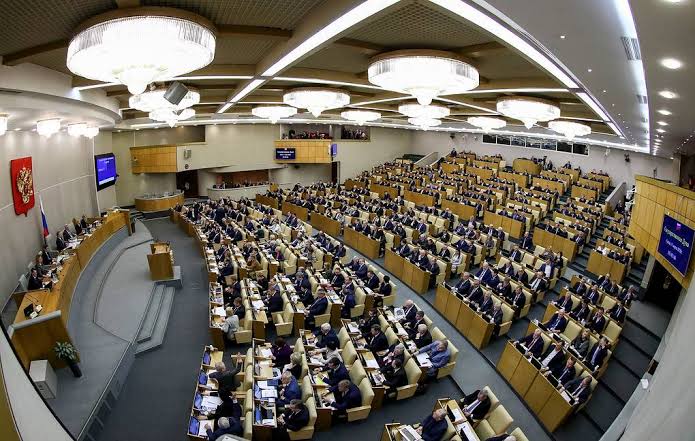

The Russian State Duma is preparing to adopt a package of bills that would effectively exclude citizens living abroad and avoiding punishment from the country’s financial and property systems.
A new registry of such individuals would be maintained by Russia’s Ministry of Justice, while materials for inclusion in the list could be submitted by the Prosecutor General’s Office, the FSB, the Ministry of Internal Affairs, and the Federal Bailiff Service. Once a person is added to the registry, restrictions would be applied automatically, without the need for a separate court decision.
During preparations for the second reading, the legislation was significantly expanded. Banks would be prohibited from providing relocated citizens with access to mobile banking applications and online banking services, while their income and social payments would be transferred to special ruble accounts with limited access to funds.
Russia’s property registration service would return without review applications related to real estate owned by such citizens, effectively preventing its sale or transfer of ownership. The restrictions would also apply to vehicle registration, driver’s licenses, loans, and entrepreneur status.
Frozen funds could be used to cover legal expenses and compensation payments, while a special commission under the Russian president would be able to allocate part of these assets to relatives remaining in Russia without income. In practice, the state would gain the ability to dispose of a citizen’s property without their consent.
Those included in the registry would also face restrictions on access to government and consular services, including passport replacement.
The purpose of these measures is not merely to punish specific individuals, but to intimidate the wider population and suppress public opposition to Kremlin policies. The new mechanism is also intended to increase the cost of emigration ahead of a possible new wave of mobilization in autumn 2026.