


Russia’s Ministry of Labor has released a forecast of staffing needs for 2026–2032, revealing a large-scale labor market crisis. By 2032, the economy will require about 12.2 million workers — an average of 1.7 million per year. The projection is based on demographic realities: a shrinking youth population, an aging society, and a growing number of retirees.
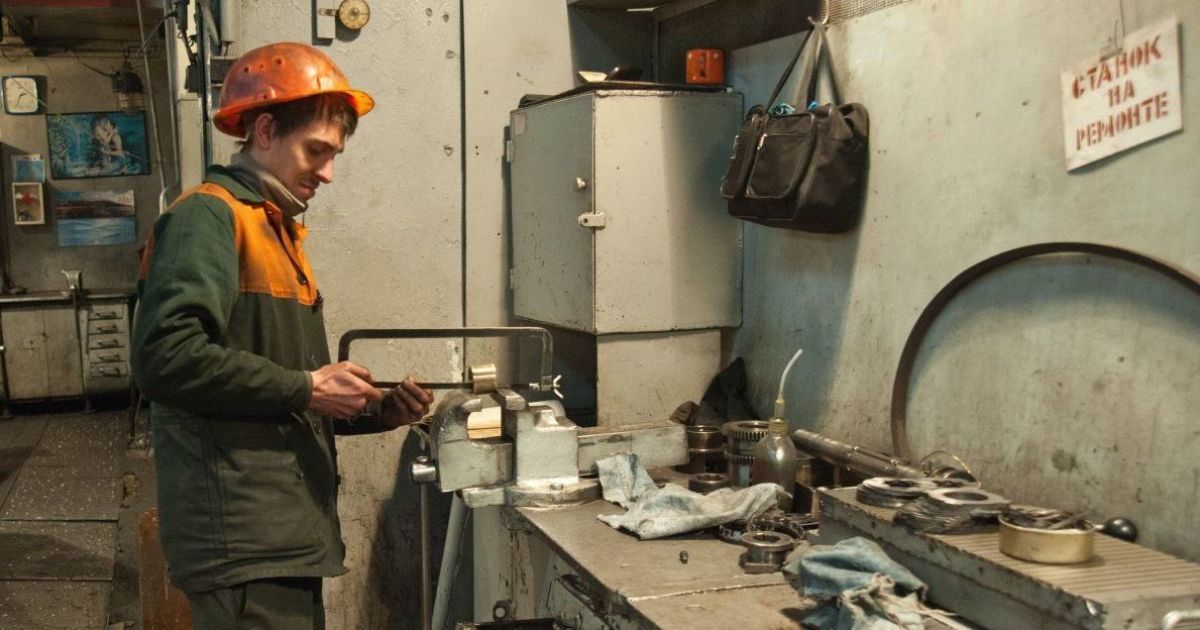
Labor Minister Anton Kotyakov acknowledged that the highest demand will be for blue-collar professions — tailors, welders, locksmiths, turners, and machine operators. According to the ministry, the number of such workers may need to rise by 135,000–226,000, depending on the sector. The government is trying to compensate for the shortage by focusing on vocational education and productivity gains.
However, these measures cannot offset the systemic problems: sanctions, technological backwardness, and low production automation. The need to replace more than 12 million workers only confirms a long-term negative trend. The growing demand for mid-skill labor reflects the degradation of an economy forced to shift from high-tech to labor-intensive models.
The labor shortage, combined with mobilization risks, will inevitably intensify competition between the civilian and defense sectors. The flow of workers into the military-industrial complex will further deepen the crisis in civilian industries.