


By Anatoliy Amelin for The Ukrainian Institute for the Future
The economy of the Russian Federation in the second half of 2025 demonstrates a paradoxical combination of macroeconomic manageability and deep structural distortions. After growing by 4.3% in 2024, growth rates have slowed to 0.6–1.2%, yet a full financial collapse remains unlikely — Russia retains the resources to wage war for another 3–5 years.
What keeps the regime afloat?
This relative resilience is ensured by built-in stabilizers:
- the liquid portion of the National Wealth Fund (4.11 trillion rubles);
- the Central Bank’s gold reserves ($282 billion);
- ruble devaluation and high inflation, which increase tax revenues.
However, this balance is achieved entirely at the expense of the population: real inflation has reached 21–22%, incomes are being eroded, and more than 40% of the budget is classified as military spending.
The real cost of the war: figures the Kremlin hides
Behind the façade of fiscal stability, irreversible crises are unfolding:
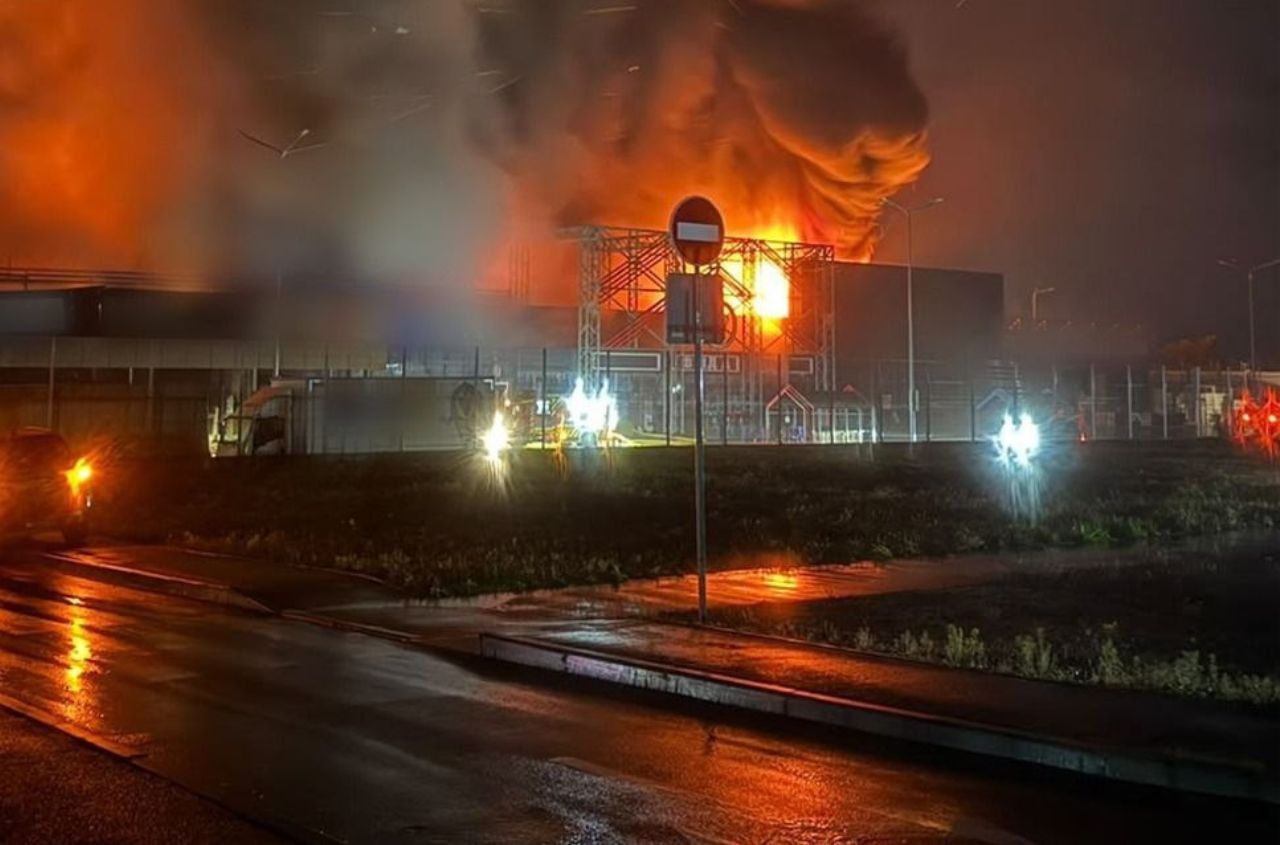
Energy: Ukrainian strikes have disabled up to 38% of refinery capacity, causing fuel shortages in 57 out of 85 regions.
Construction: the sector is sliding into recession — new housing sales are down 26%, and mortgage rates of 25–30% threaten bankruptcy for a third of developers.
Bankruptcies: more than 10 million people are at risk of personal bankruptcy.
Demographic abyss: the labor shortage is expected to reach nearly 11 million workers by 2030 (in February 2025, the lowest birth rate in 200 years was recorded).
Outlook for 2026
The baseline scenario foresees stagnation (GDP from –0.5% to +0.5%), ruble devaluation to 100–120 per dollar, and further depletion of the National Wealth Fund. Russia has entered a phase of long-term degradation, where resilience is bought at the cost of destroying the future.