


The Ukrainian Foreign Intelligence Service warns that since 17:00 on December 29, Russia has been conducting an information operation aimed at undermining agreements reached between the Presidents of Ukraine and the United States.
As part of this operation, the Kremlin accuses Ukraine of attempting a targeted attack on President V. Putin’s residence using 91 drones.
The operation began with a statement by S. Lavrov and was widely disseminated by pro-Kremlin media outlets (TASS, RT). Within two hours (by 19:00), other Russian officials amplified and developed Lavrov’s narrative: Deputy Foreign Minister O. Grushko, Presidential aide Y. Ushakov, party leader S. Mironov (“A Just Russia – For Truth”), LDPR leader L. Slutsky, and First Deputy Chair of the Duma Defense Committee O. Zhuravlyov. This rapid and coordinated response indicates the operation was conducted under Putin’s directives and according to Kremlin-approved messaging.
Several facts suggest that the information about an attack on Putin’s residence is fake:
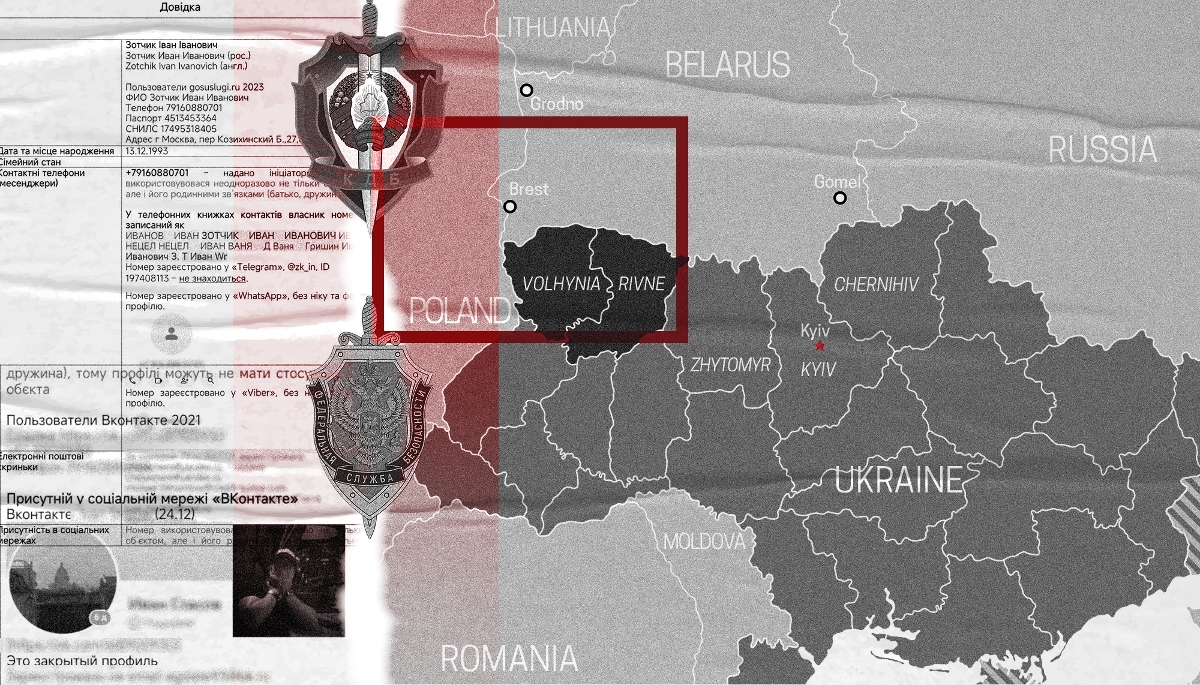
- On December 29, local residents in the Novgorod region did not report any drone attack or its consequences. The Kremlin is now attempting to fabricate eyewitness accounts in Russian social networks (VKontakte) from alleged residents of Valday.
- There is no physical evidence (debris, photos, videos) of downed drones, which the Kremlin has not been able to present nearly a day after the start of the operation, though “evidence” may be fabricated soon.
- The Russian Ministry of Defense has twice adjusted its reports to match Kremlin narratives (initially reporting 18 drones, later increasing the number to 23).
Moscow has repeatedly manipulated claims of Ukrainian drone attacks on Russian targets. In May 2023, it falsely reported a drone strike on the Kremlin, and in May 2025, it claimed that during Putin’s visit to the Kursk region, his helicopter was allegedly targeted by drones—a staging later confirmed by Russian government sources.
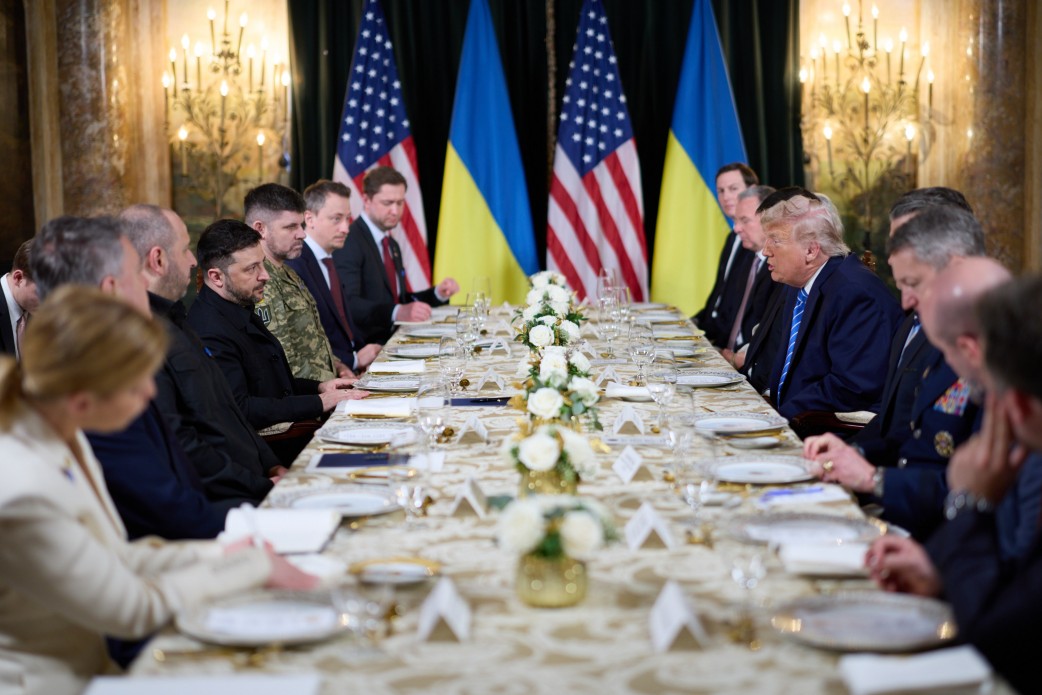
The Ukrainian Foreign Intelligence Service emphasizes that this drone “fake” is a nervous reaction by the Kremlin to progress achieved during the Ukraine–U.S. presidential talks at Mar-a-Lago. Russia is likely to continue using the “Valday attack” narrative to justify strengthening its negotiating position, future combined attacks on Ukraine during the New Year holidays, and to discredit Ukrainian leadership.
In this context, the Service calls on media outlets to carefully verify Russian propaganda and avoid serving as a tool for spreading Kremlin disinformation.