


Danish Royal Defence College military analyst Anders Nielsen on Ukrainian attacks on the Russian shadow fleet.
Key takeaways:
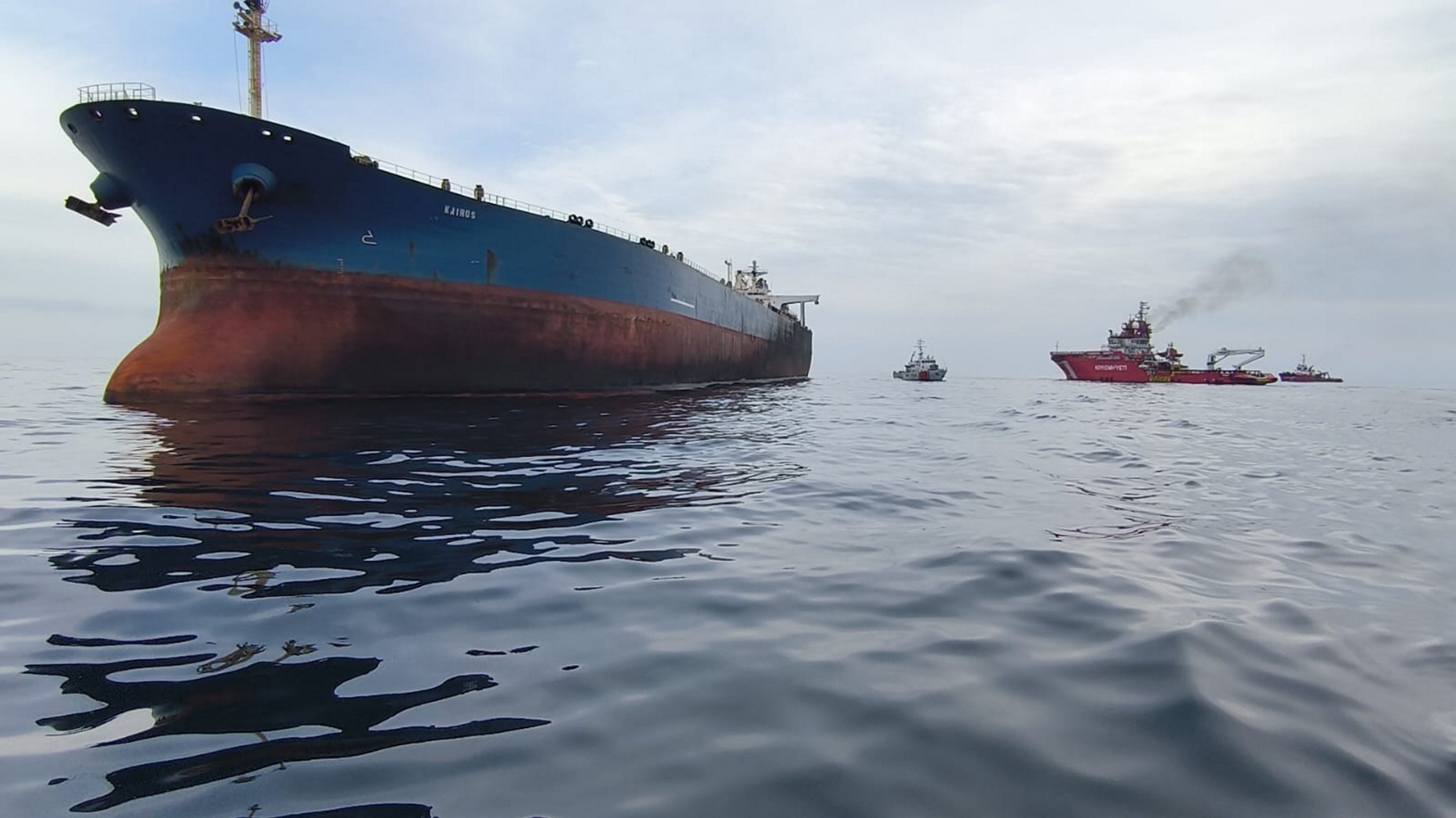
A significant amount of time has passed since major shifts in the maritime war between Ukraine and Russia. Ukraine recently attacked two tankers in the Black Sea and documented the moment of attack, effectively taking responsibility.
The attacks occurred in the Turkish exclusive economic zone (EEZ). This should not be confused with territorial waters—the EEZ is international waters but allows a country to exploit resources, such as fishing or oil extraction. The tankers were heavily damaged and cannot transport oil anymore without major repairs.
A few days later, another incident occurred—a Russian shadow tanker was sabotaged off the coast of Senegal. Some suggested it could have been targeted by a maritime drone system, but there is no evidence. Magnetic mines are considered more likely.
Prior to this, Ukraine conducted a series of attacks on Russian oil export infrastructure. Earlier strikes targeted mainly refining facilities; now, crude oil exports are also affected. Russia has a surplus of oil due to refinery outages and is forced to increase exports because closing oil fields is complex. Ukrainian attacks increase risks for traders, potentially forcing Russia to offer larger discounts, even exporting at a loss.
Beyond economic damage, Russia suffers reputational harm. The Russian fleet cannot defend its maritime trade without itself being vulnerable to Ukrainian maritime drones. It is clear worldwide that Russia does not control the Black Sea.
The shift in the Black Sea could have global consequences. Reduced Russian oil exports may drive up global prices. Russia might retaliate against ships carrying Ukrainian grain, which could create food shortages in some regions and increase global food prices.
Russian retaliatory strikes would weaken the Ukrainian economy, but Ukraine is likely willing to accept this risk. Exchanges targeting maritime trade will return the war to the global agenda at a time when many countries are starting to treat it as a localized conflict and reduce support. It may remind many nations how critical Ukraine is for their own economies.
This could influence negotiations. The U.S. has presented multiple broad peace plans, often unfavorable to Ukraine. By targeting trade vessels, Ukraine might be able to propose a narrow, focused Black Sea trade agreement, including favorable terms.
At sea, Ukraine holds a stronger position than Russia and can demand more concessions. The global community is likely to react more negatively to Russian attacks on grain than to Ukrainian strikes on shadow tankers.