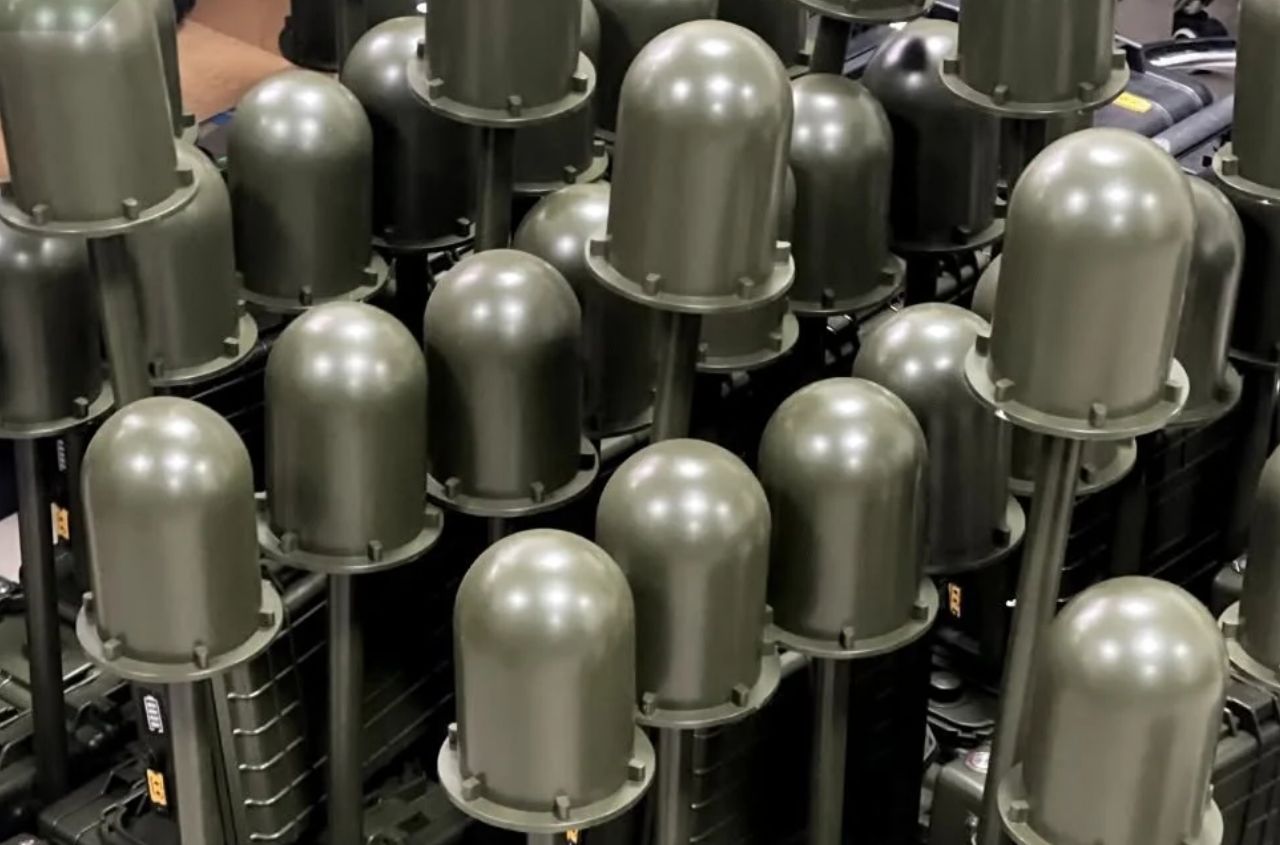



Ukraine is launching new grant competitions to develop domestically produced guided air-to-air missiles and radar systems, as the country seeks cheaper and more effective ways to counter Russian drones, missiles and guided aerial bombs.
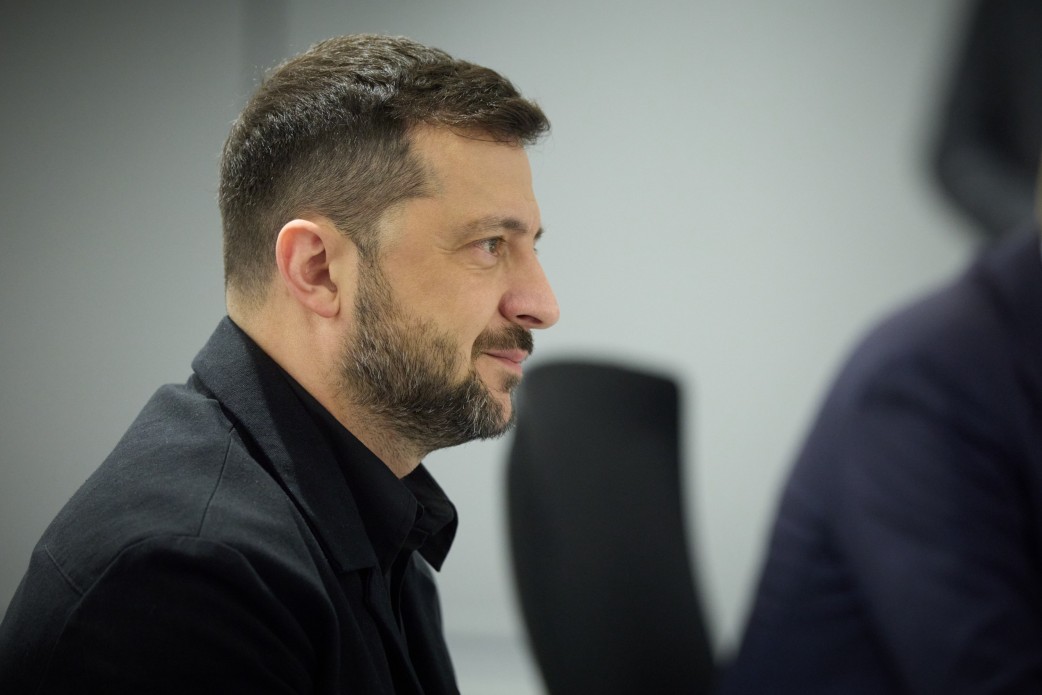
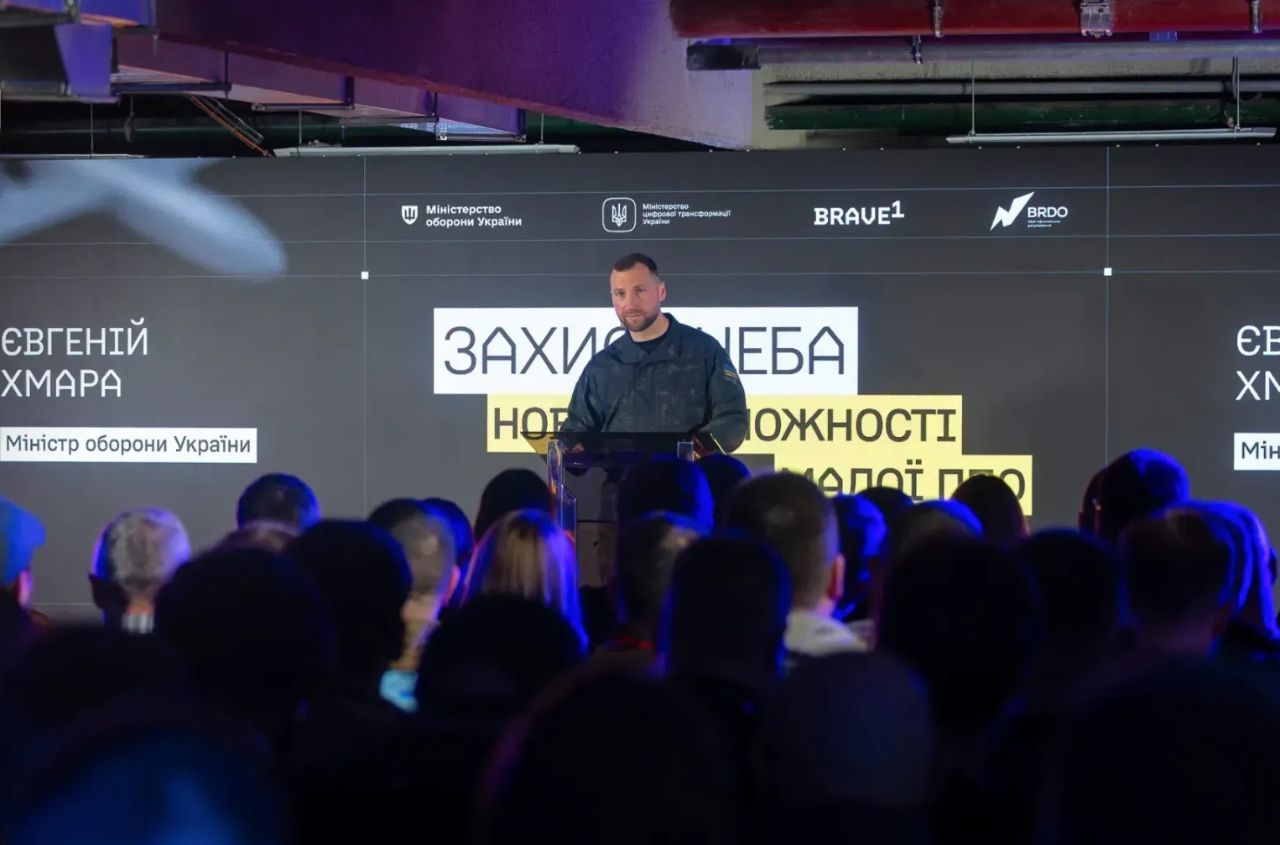
The initiative, announced by Defence Minister Yevhenii Khmara, will be implemented jointly by the Ministry of Defence, the Ministry of Digital Transformation and the Brave1 defence technology cluster. A separate competition for the development of turbojet engines is expected to follow.
The programme is intended to accelerate the development of Ukrainian air defence technologies, reduce the cost of intercepting jet-powered drones and expand domestic radar production. Speaking to manufacturers participating in Brave1, Khmara said the priority was to develop systems that could be produced at scale and integrated into Ukraine's existing defence capabilities. Russia's evolving aerial threats, he noted, include ballistic missiles, inexpensive cruise missiles, high-speed drones and guided aerial bombs.
"Our requirements are clear: effectiveness, affordability, interoperability between systems and sufficient production volumes. These are the results on which the state, the military and Ukraine's defence industry must focus their joint efforts," Khmara said.
The ministry is particularly interested in domestic navigation technologies, more advanced electronic warfare systems and radars capable of detecting targets with low radar visibility.
Another priority is developing affordable interception technologies that can be manufactured in sufficient quantities to meet the Ukrainian military's operational needs. The emphasis on cost reflects a growing challenge for Ukraine's air defence: countering increasingly numerous and technologically sophisticated Russian aerial threats without relying exclusively on expensive conventional interceptor missiles.
The grant competitions are intended to help Ukrainian manufacturers move promising technologies towards practical deployment and mass production.
Khmara also identified countering Russian guided aerial bombs, commonly known as GABs, as a separate area requiring new technological solutions. These weapons remain a significant challenge for Ukrainian forces, making the development of systems capable of disrupting or reducing their effectiveness an important defence priority.
"Today, our focus is on countering Russian threats. But it is important to create innovative solutions that will allow us to stay ahead and gain the upper hand. We need asymmetric capabilities. We need technologies that change the rules of the game in our favour," the minister said.
The new competitions form part of Brave1's broader efforts to identify, finance and test Ukrainian defence innovations.
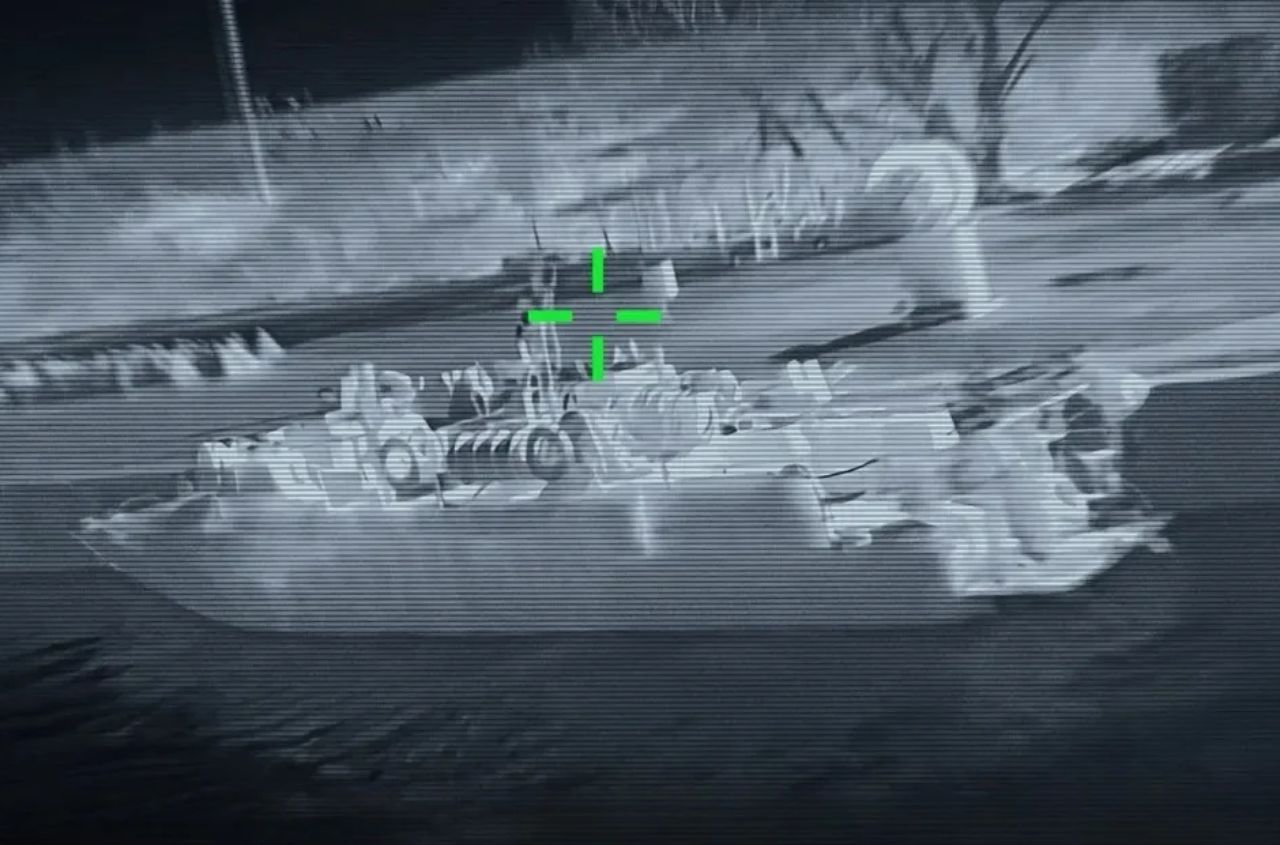
The Ministry of Defence and Brave1 have previously conducted large-scale tests of drones equipped with AI-assisted terminal guidance, examining technologies designed to improve the ability of unmanned systems to engage targets.