

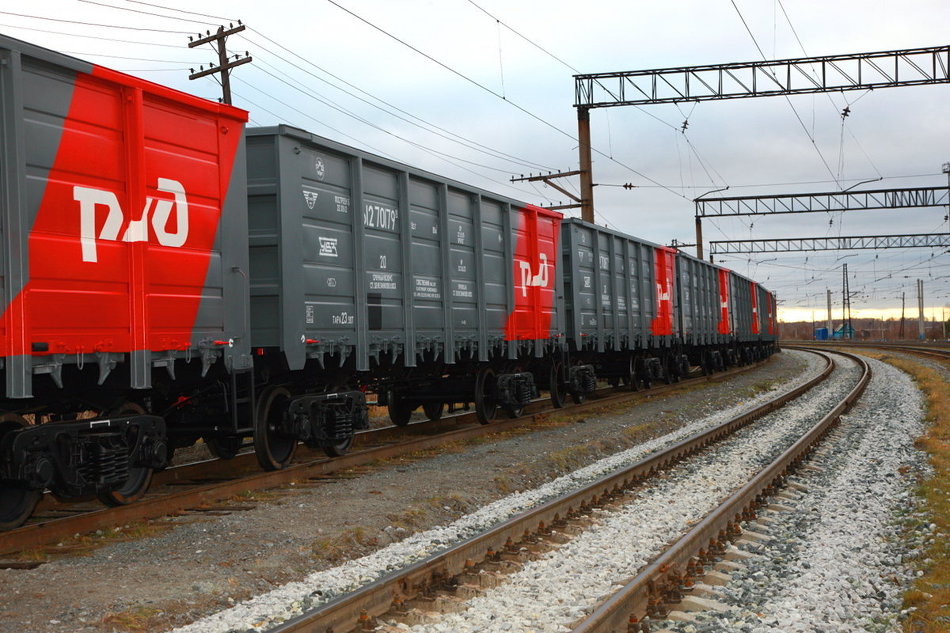

In 2025, freight volumes on the RZD railway network fell by 5.6%, marking the lowest level since 2009. The decline has continued for the fourth consecutive year, following decreases of 3.7% in 2022, 0.1% in 2023, and 4.1% in 2024. Official statistics also record a 1.8% reduction in freight turnover, indicating not only lower volumes but also shorter average transport distances. Industry analysts estimate that the real scale of the problem may be significantly deeper than the official data suggest.
The decline was recorded in 13 of 15 key cargo categories. The sharpest reductions occurred in ferrous metallurgy: transportation of ferrous metals fell by 17.7%, and scrap metal by 32.2%. Significant decreases were also observed in industrial raw materials (–16%), construction materials (–10.5%), grain (–12.2%), and forestry products (–5.9%). Energy supplies also declined, including oil and oil products (–5%) and hard coal (–2.1%).
This trend is a result of Western sanctions and the overall slowdown in economic activity in Russia. Consequently, network utilization has dropped, and financial results have worsened: from January to September 2025, the company recorded a loss of $55.8 million and reduced its 2026 investment program by 24%. Cost optimization already involves scaling back infrastructure projects and rolling stock renewal, accelerating the further deterioration of the technical condition of the railway network amid Russia’s weakening economy.