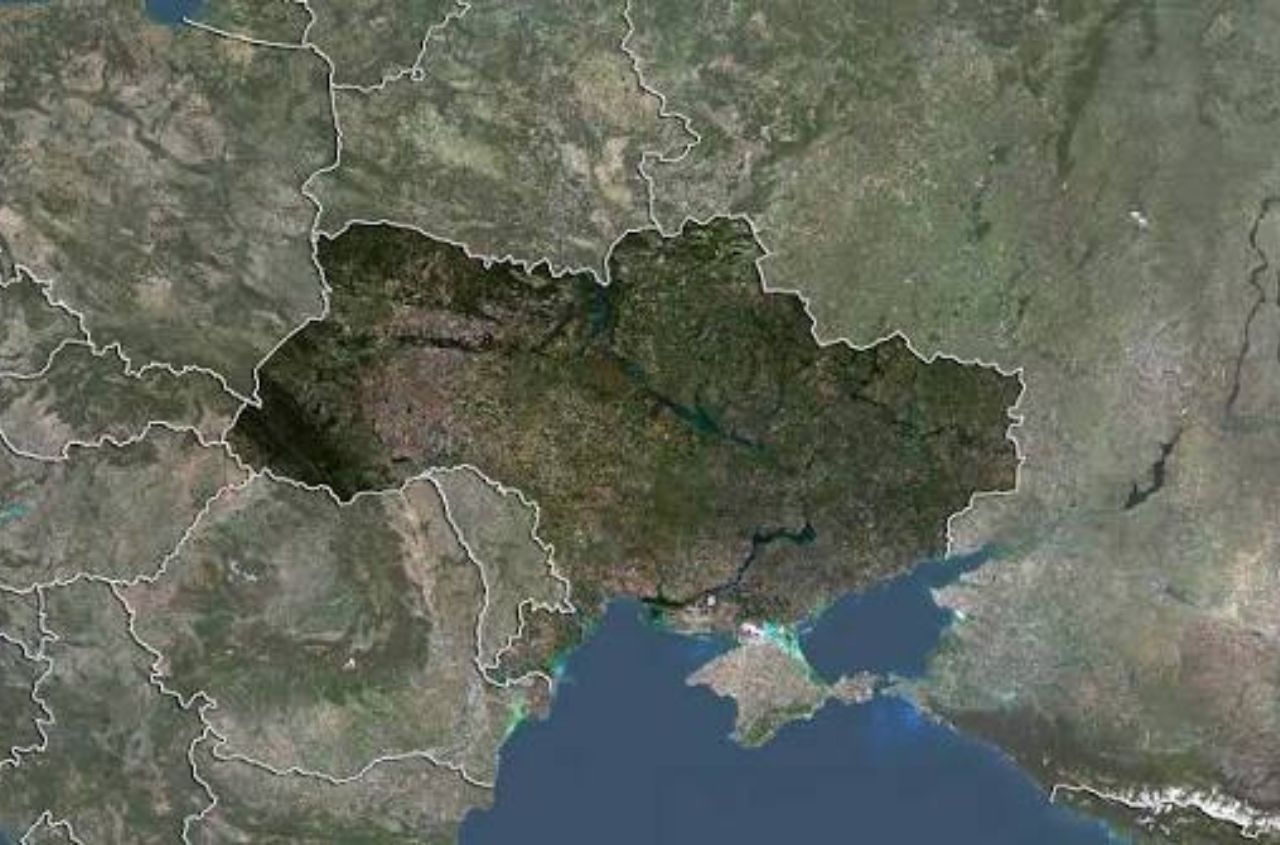




The new EES (Entry/Exit System) digital biometric control system has begun operating at the “Diakivtsi–Răcăuți,” “Krasnoilsk–Vicu de Sus,” and “Diakove–Halmeu” border crossing points on the Romania–Ukraine border. This was reported by the State Border Guard Service of Ukraine.
According to the Romanian Border Police, the digital entry–exit EES system has been operational at these crossing points since 10 December.
At the “Diakivtsi–Răcăuți,” “Krasnoilsk–Vicu de Sus,” and “Diakove–Halmeu” checkpoints, officials have begun entering personal and biometric data into the system.
The “Porubne–Siret” border crossing point will begin operating under the new system on 9 January 2026.
The State Border Guard Service recalled that the EES system started operating at the “Solotvyno–Sighetu Marmației” checkpoint on 12 October.
Starting from 10 March 2026, all remaining border crossing points on the Romania–Ukraine border will be connected to the EES.
The procedure includes passport scanning, photographing, and fingerprint collection for third-country nationals, including Ukrainian citizens.
During the first border crossing, a digital record will be created for each traveler entering the EU.
During subsequent crossings, biometric data will be matched against this record.
Children under 12 will not have their fingerprints taken.
The EES system is being introduced to speed up border control, enhance security, ensure accurate tracking of foreigners’ stays in the EU, and combat illegal migration.
The State Border Guard Service emphasizes that the functioning of the EES system does not affect the overall procedure for crossing the border and advises travelers to keep this information in mind when planning their trips.