


Russia’s war in Ukraine, now in its fourth year, requires a constant influx of new labor, pushing the Kremlin to launch large-scale online campaigns to recruit young Africans.
Severe frontline losses and the need for mass production of drones force Russia to seek labor resources beyond its borders. While in 2024 only seven percent of military job postings targeted foreigners, by mid-2025 that share on the VKontakte platform rose to 33 percent, and the total number of such ads jumped from 621 to 4,600, as reported by Diis.
Russia actively promotes itself in Global South countries as an anti-colonial partner, using TikTok, Facebook, YouTube, and Telegram to shape political narratives and attract recruits.
A key tool in this strategy has been African influencers from Nigeria, Cameroon, Kenya, South Africa, and other countries. These digital intermediaries portray a glamorous lifestyle in Russia, posting videos of Africans in furs and gold jewelry, drinking champagne in luxury cars. This propaganda targets young people seeking to escape poverty and unemployment.
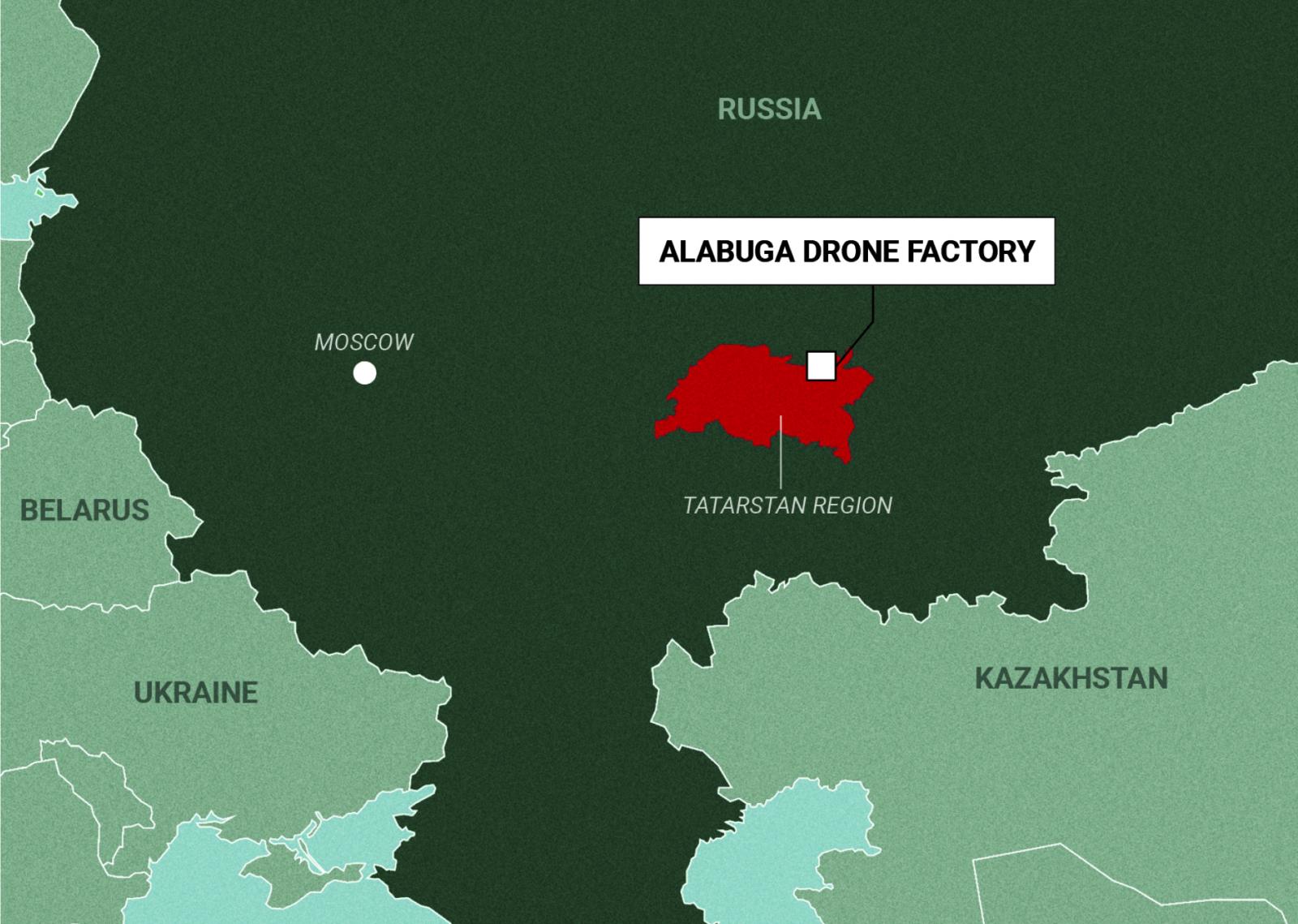
Influencers direct audiences to employment centers and sites such as the Alabuga Special Economic Zone in Tatarstan. Alabuga is a public-private industrial complex producing Shahed-136 kamikaze drones with support from Iran. The “Alabuga Start” program officially promises professional training, housing, and salaries up to $1,380 (≈121,500 rubles), but conceals the military nature of the work.
The program primarily targets young women aged 18–22 from 85 countries. According to international organizations, around 800 women from 27 countries are already assembling drones. Recruits are deceived with promises of jobs in education, hospitality, or high-tech sectors but are redirected to military factories upon arrival. Working conditions are exploitative: twelve-hour shifts, unpaid overtime, penalties for quitting, and strict surveillance using facial recognition systems. Additionally, recruiters hide the risks of repeated attacks on the Alabuga facility.
International reactions have sparked counter-campaigns. The anonymous network “Alabuga Truth” spreads information on human trafficking risks and exploitative labor conditions using AI-generated images. Many African influencers were forced to remove promotional posts following public backlash. By late 2024, major social media platforms such as TikTok and Facebook began blocking accounts linked to Alabuga recruitment, though the campaign continues on Russian platforms.
Experts emphasize that information campaigns alone are insufficient, as the main drivers of migration remain economic pressure and lack of legal pathways to Western countries. Governments are therefore urged not only to combat disinformation but also to create safe, regulated migration channels to reduce the risk of exploitation for military purposes.