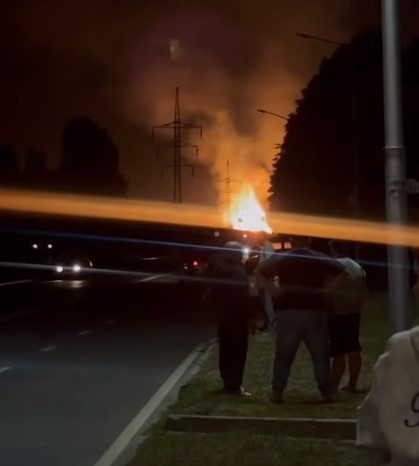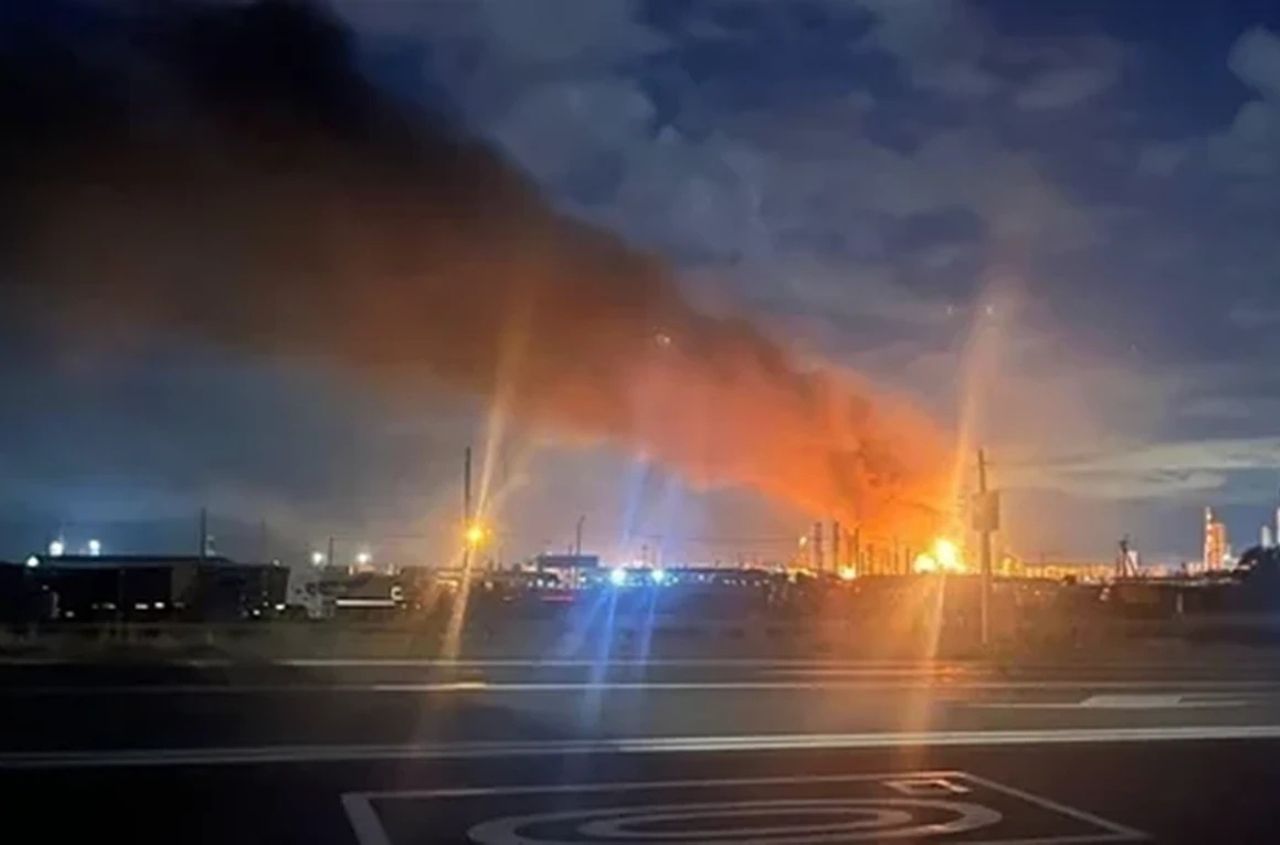



Ukrainian Armed Forces launched two massive missile attacks on Belgorod overnight on July 7.
The local outlet Pepel reported that the first strike targeted several electrical substations. Following the hits, parts of the city lost electricity, and an emergency water shutdown occurred. During the second strike, a linear production unit of the main gas pipeline system (LPUMG) was damaged. The facility provides gas transportation and gas supplies to the cities, towns, and industrial enterprises of Belgorod and nine districts of the region. According to Pepel, several large flames erupted simultaneously on the territory of the facility.
Recently, Belgorod has been regularly targeted by Ukrainian missile strikes. On July 3, the Yuzhnaya electrical substation and the substation located at the Energo thermal power plant were hit. Fires broke out at both facilities, and electricity and water supplies were disrupted in several municipalities. On July 4, during shelling of the city, “all major substations of the city” were hit, including the Belgorod Thermal Power Plant, the Luch CHP plant, and the Avtoremzavod substation, Pepel reported. As a result, the city was “almost completely de-energized.” The regional operational headquarters said Belgorod would face rolling power outages due to the “reconnection of networks to backup power supply circuits.”

Drones also attacked the First Plant oil refinery in Russia’s Kaluga region. Drones were also detected in the Moscow region — local authorities claimed that 430 UAVs had been heading toward the region since the evening.
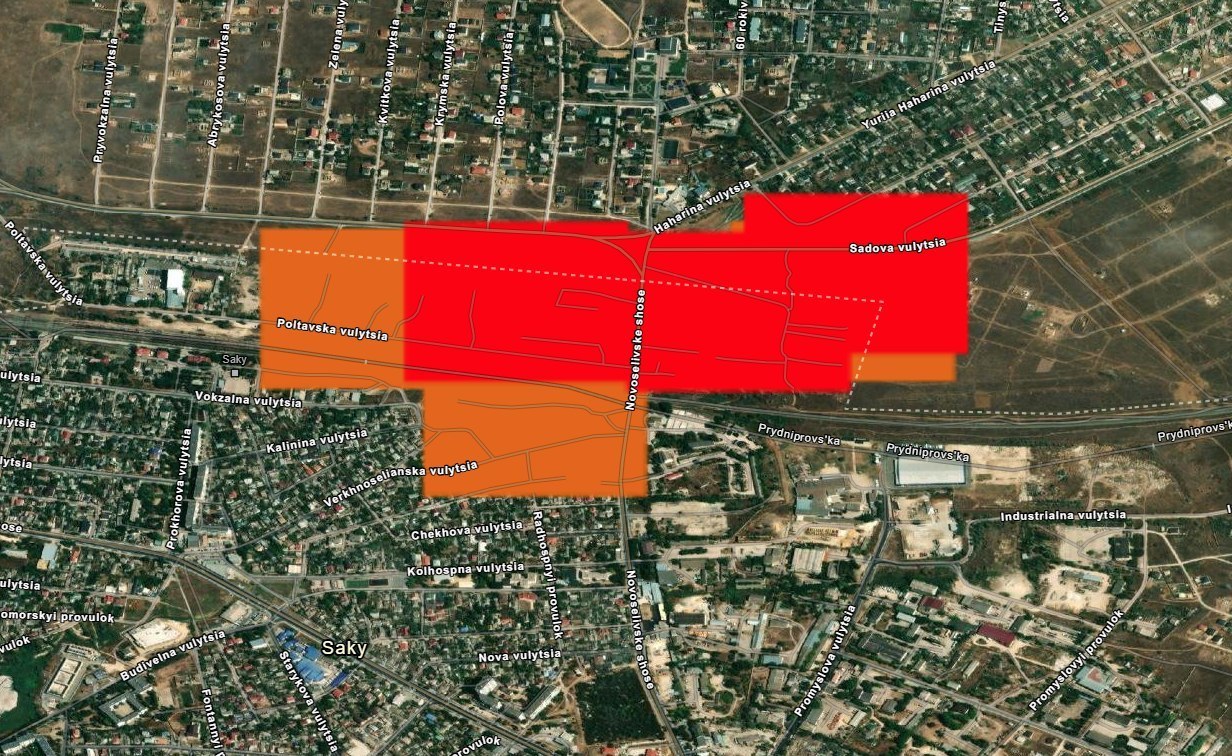
Open-source intelligence analysts, citing the NASA FIRMS fire detection system, also reported fires in several areas of occupied Crimea:
- at the territory of the 110 kV “Saki” substation and near the railway station;
- in the area of the 330 kV “Western Crimean” substation;
- near the position of an S-400 surface-to-air missile system;
- north of Kerch in the sea — likely targeting a vessel.