

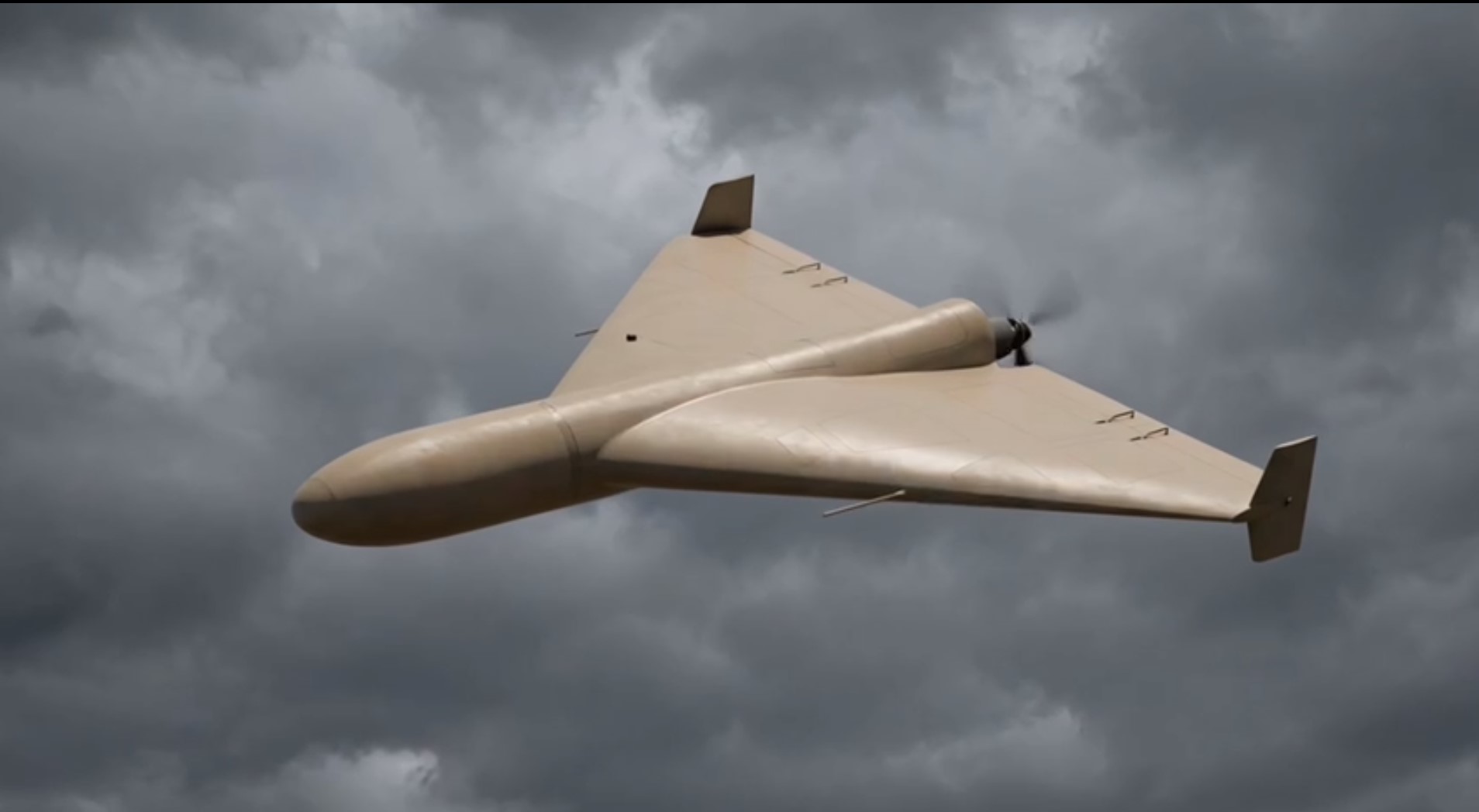

The overall number of Shahed drones used by Russian forces to attack Ukraine has declined because their continued use in the previous manner has become ineffective, according to Serhii “Flash” Beskrestnov, an adviser to Ukraine’s defence minister.
“The change in the tactics of Shahed drone use is unfolding according to the scenario I predicted a year ago. As soon as we began intercepting 92–96% of the gasoline-powered Shaheds during attacks deep inside Ukraine, their use in that role became impractical. As a result, the enemy is increasingly using jet-powered Shaheds for strikes on the rear. Their numbers are growing,” Beskrestnov wrote on his Telegram channel.
At the same time, he stressed that gasoline-powered Shaheds continue to be actively used in attacks on border areas and nearby cities. Around 200 Shahed drones attack targets in these areas every day, including petrol stations, warehouses, energy facilities, transport infrastructure, and other sites.
“Proximity to the border makes it possible to use radio control via mesh modems on a large scale. In such situations, jamming satellite navigation systems is useless,” he said.
According to the defence minister’s adviser, the overall number of Shahed drones launched against Ukraine has decreased, despite the fact that Russia has no technical or economic reasons to reduce production.
“I believe that part of the production is now being redirected toward the serial manufacture of jet-powered Shaheds,” he suggested.
Beskrestnov also said that Russia appears to be shifting from a strategy of mass attacks to one of selective strikes.
“They choose high-value targets, conduct multi-stage reconnaissance of those sites, study our defensive lines (electronic warfare systems, radar, and air defence), probe routes that bypass interceptor drones, and build flight paths at different altitudes and speeds. They are also using the ‘Seeker’ modification of the Shahed, which has a target acquisition capability,” he explained.