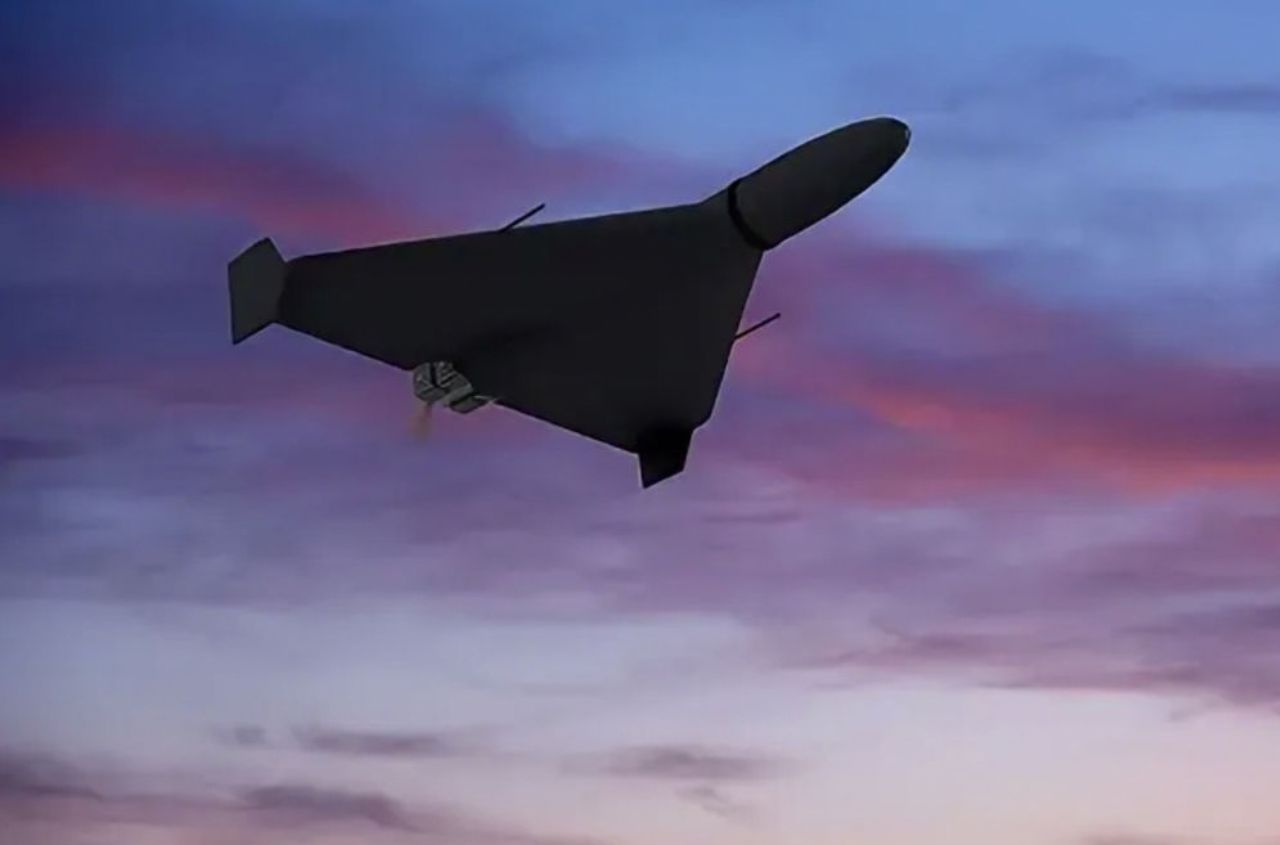



The counterintelligence and investigators of the Security Service of Ukraine (SSU) have documented two new cases of Russia using munitions containing depleted uranium elements in Geran-2 attack drones during two strikes on Ukraine's Sumy region in April 2026.
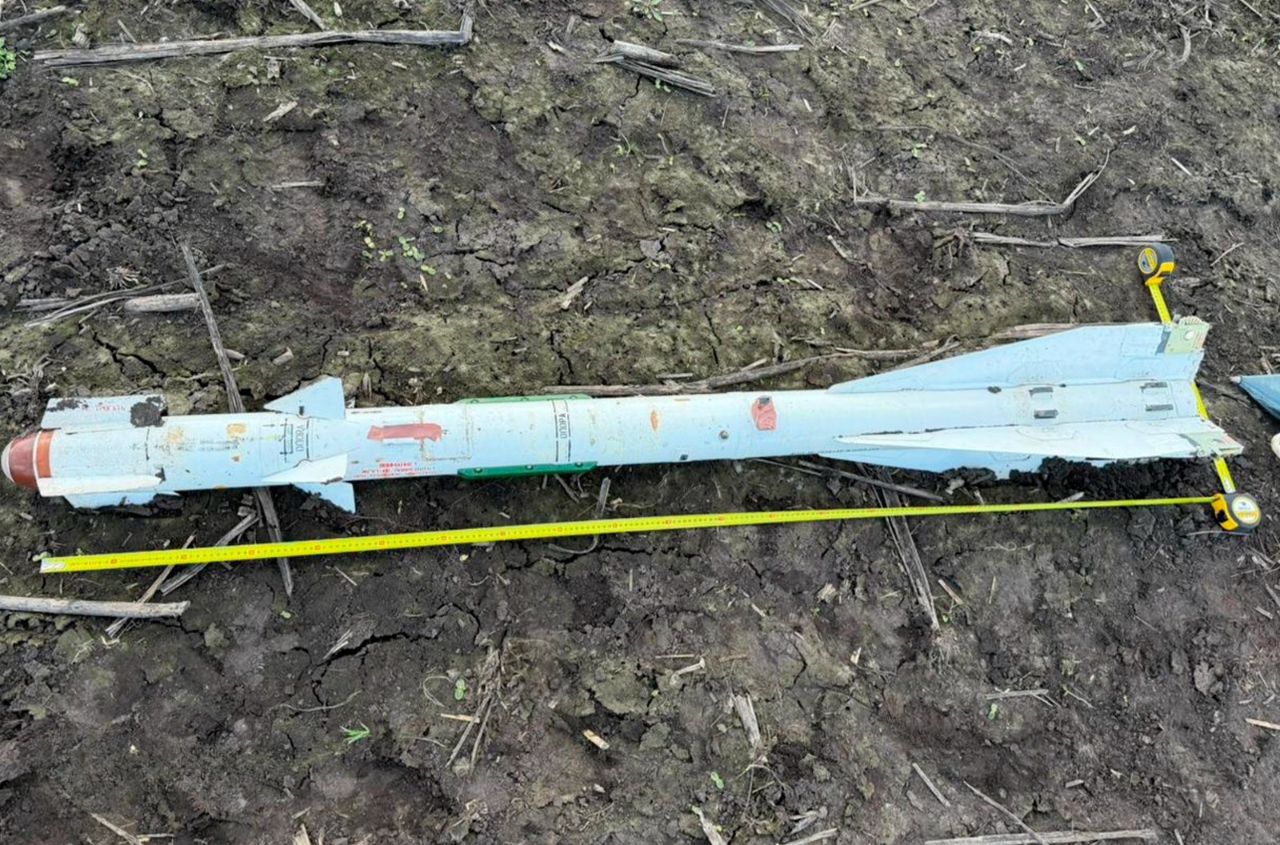
According to the SSU, the drones were equipped with R-60M air-to-air guided missiles, which Russian forces use as warheads for their unmanned aerial vehicles during large-scale attacks on Ukraine.
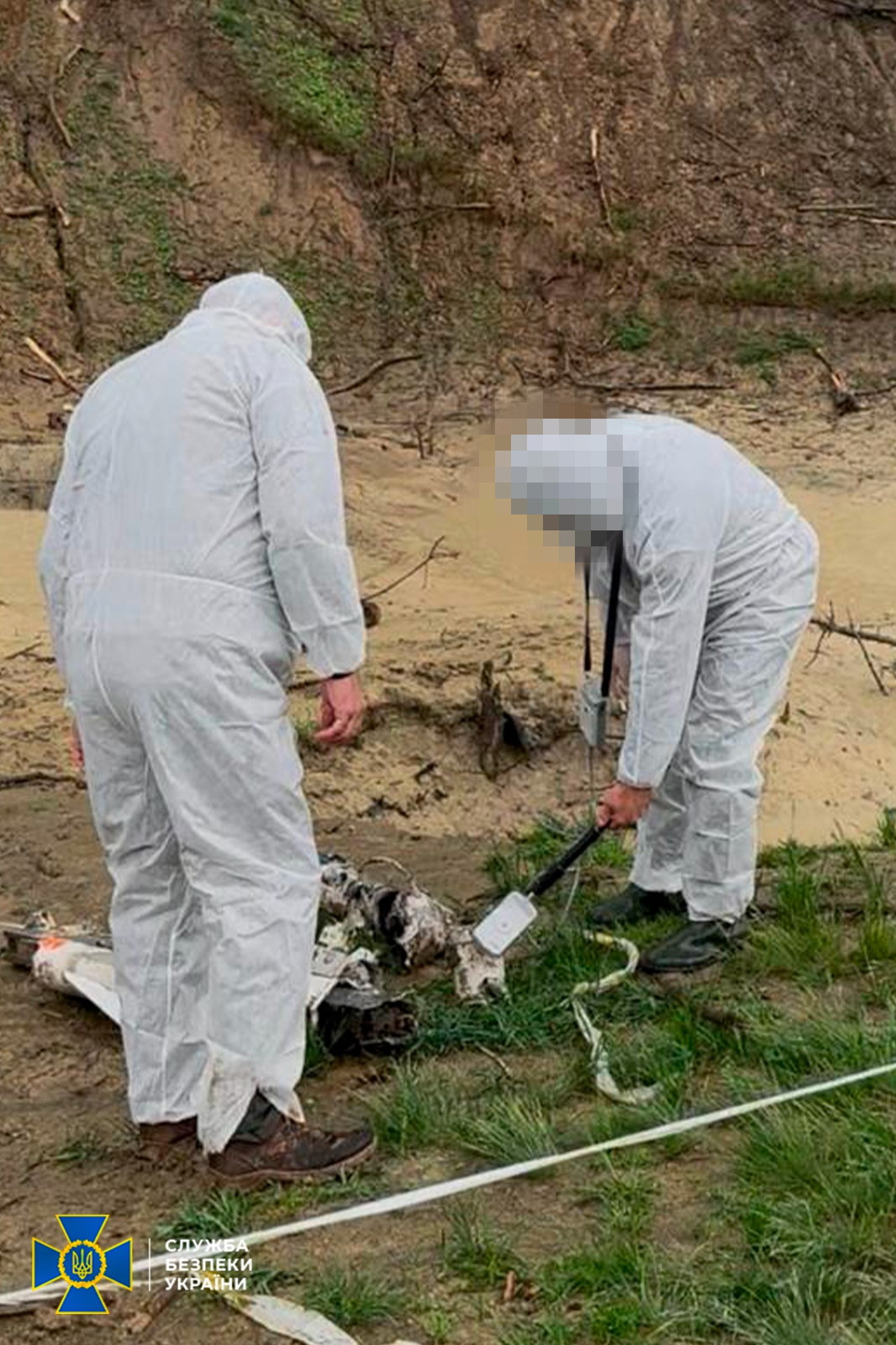
During inspections at the strike sites, SSU investigators and State Emergency Service specialists recorded gamma radiation levels of 8.3 and 10.5 microsieverts per hour from fragments of the Russian drones and missiles. The SSU said these readings significantly exceed the natural background radiation level and pose a direct threat to human health.

An expert examination initiated by the SSU found that the warheads contained 2,810 grams of depleted uranium elements, identified as Uranium-234, Uranium-235, and Uranium-238.
After the hazardous components were identified and examined, specialists carried out comprehensive measures to neutralize them.
The SSU has launched a pre-trial investigation under Article 438 of Ukraine's Criminal Code (war crimes) to identify and prosecute those responsible for the attacks.
The agency also recalled that in April it had uncovered another case of Russian forces using radioactive munitions in the Chernihiv region.
Given the dangers posed by depleted uranium, the SSU urged civilians to exercise extreme caution if they discover fragments of drones, missiles, or other munitions. Authorities stressed that such objects should not be approached, touched, or moved under any circumstances.