


By now, it has become clear that Trump wasn’t misspeaking when he said “Elections.” It seems that everything was written just for that word. After a brief pause, he reiterated that “over there,” almost like in Vysotsky, everything became unclear to us; we’re sending them a signal—what are you doing over there? (Yes, apparently, you have corruption, sir!)—and yet they send us back…
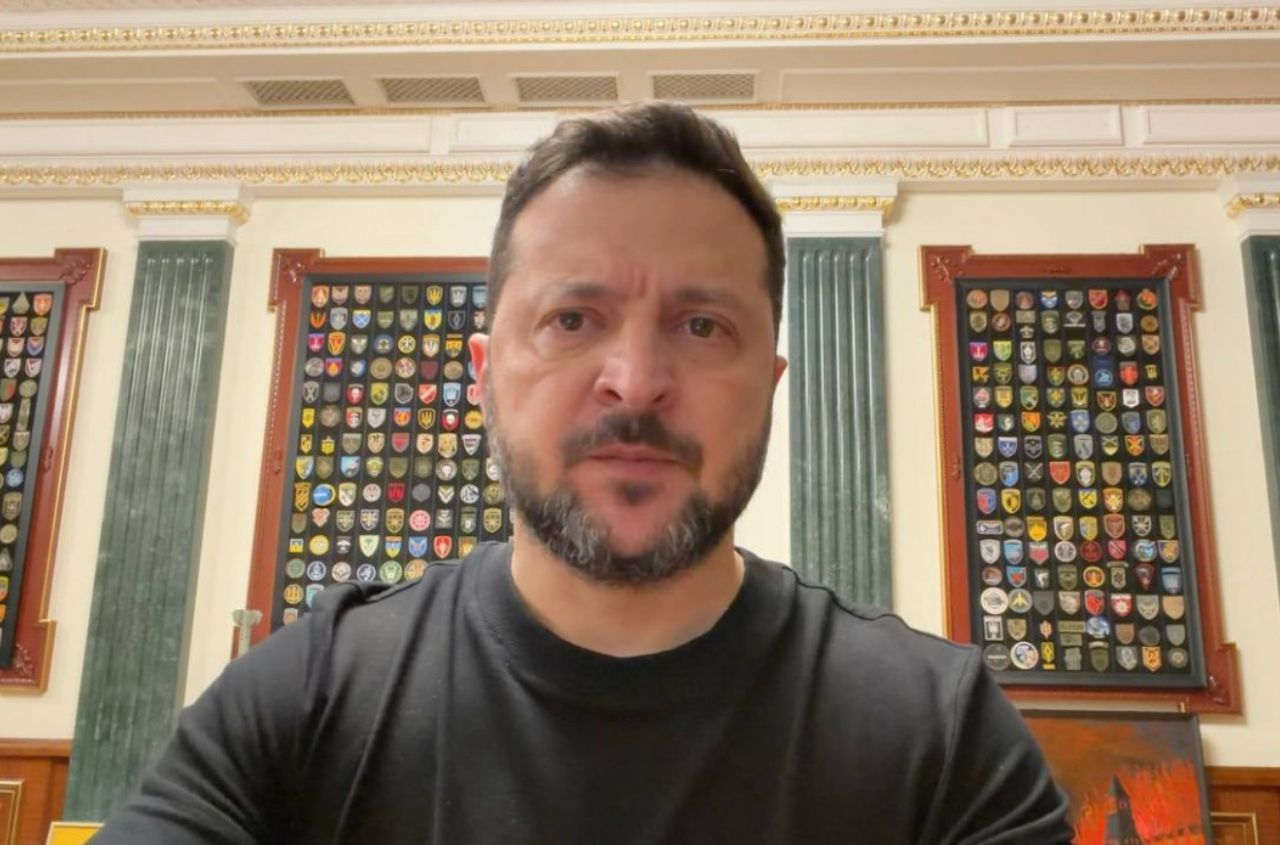
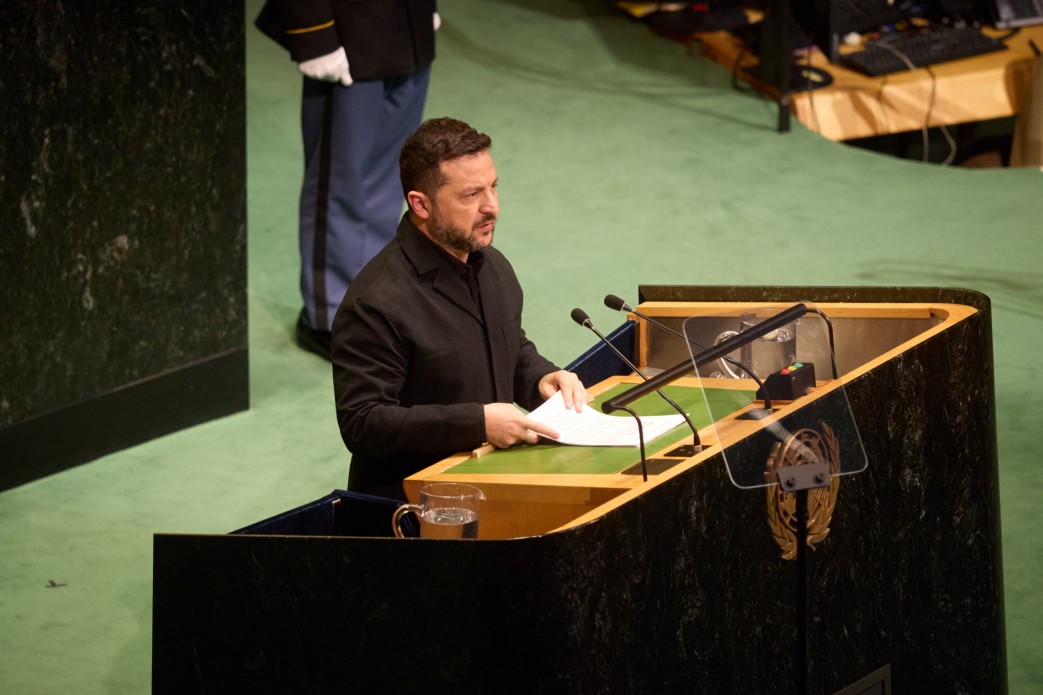
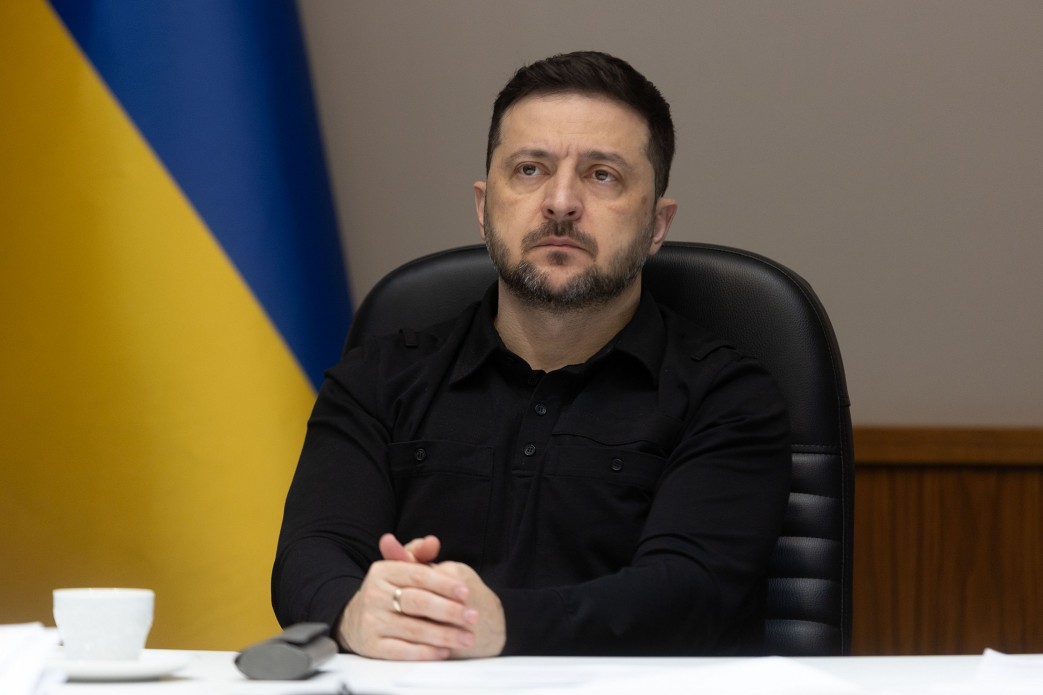
Zelensky also commented on the elections, this time in a more pragmatic tone: he ordered amendments to the laws to be prepared (with the subtext: trivial matter, there are more important things now—which is true). But for Trump, apparently, there aren’t more important things. It seems he leans toward the idea that the shortest path to peace, at least in his heart, lies in removing Zelensky.
As a result, a cognitive dissonance arose between Trump and Zelensky regarding the elections. When Trump talks about elections, he means the elections for Zelensky’s successor; when Zelensky talks about them, he primarily means his own reelection and renewed legitimacy.
It might seem that Zelensky’s position is bleak. Trump is so big, and he’s attacking Zelensky—so small (politically speaking). But personally, I bet on Zelensky. At least for now. That is, as long as the game is being played according to the rules of European, not American, political football.
Why? Because I can’t really imagine what Trump would do if Zelensky simply dug in his heels and ran for reelection in a hastily announced vote.
Would he release a new batch of compromising material, turning the “Mindich case” into the “Zelensky case”? But in this political context, such a move would be useless. The more Trump attacks Zelensky personally now, the less it will affect him. At the moment, Zelensky is more Teflon than Trump himself. The people of Ukraine will return America’s own measure and say: back off, he’s our man…
Would he cut Ukraine off from arms supplies? But then the whole world would see how the “big guy” is bullying the “small guy,” and that has never benefited any “big guy,” especially ahead of crucial domestic elections (the November congressional and Senate special elections). It’s unclear how far Trump can even afford to push pressure on Ukraine given his domestic political priorities.
And there’s also the risk that Putin, at the wrong moment, might exploit the situation, break through the frontlines in this mess created by Trump, and the catastrophe would forever hang over Trump’s conscience—he wanted peace but handed all of Ukraine to the enemy. That’s clearly not in Trump’s interest.
So the situation with the elections is practically more complicated than it appears in theory. Trump wants to put Zelensky “on the spot,” but this is clearly not a scenario that will work. Zelensky has a good track record in such situations. He has been intensively trained on how to withstand pressure for three and a half years. Psychologically, Zelensky has long been prepared to “take on” Trump.
In short, I think that the talk about elections is only the beginning of the story. The logical next step would be a direct demand from Trump that the elections not only take place but take place without Zelensky participating. Otherwise, the Trump puzzle doesn’t quite fit yet.