


A 33-year-old Belarusian citizen, Yana Leonova, was extradited from France to the United States for trial on charges of evading sanctions and organizing the supply of aviation components to Russia through shell companies. According to the U.S. investigation, she played a key role in shadowy schemes for supplying aviation parts in violation of export controls, as reported by Nasha Niva.
U.S. investigators indicate that Leonova organized transit shipments of aviation parts to Russia through the UAE, Turkey, and Armenia to conceal the final recipient from U.S. export controls. The routes she used align with so-called “gray import” pathways, typical for sanctions evasion.
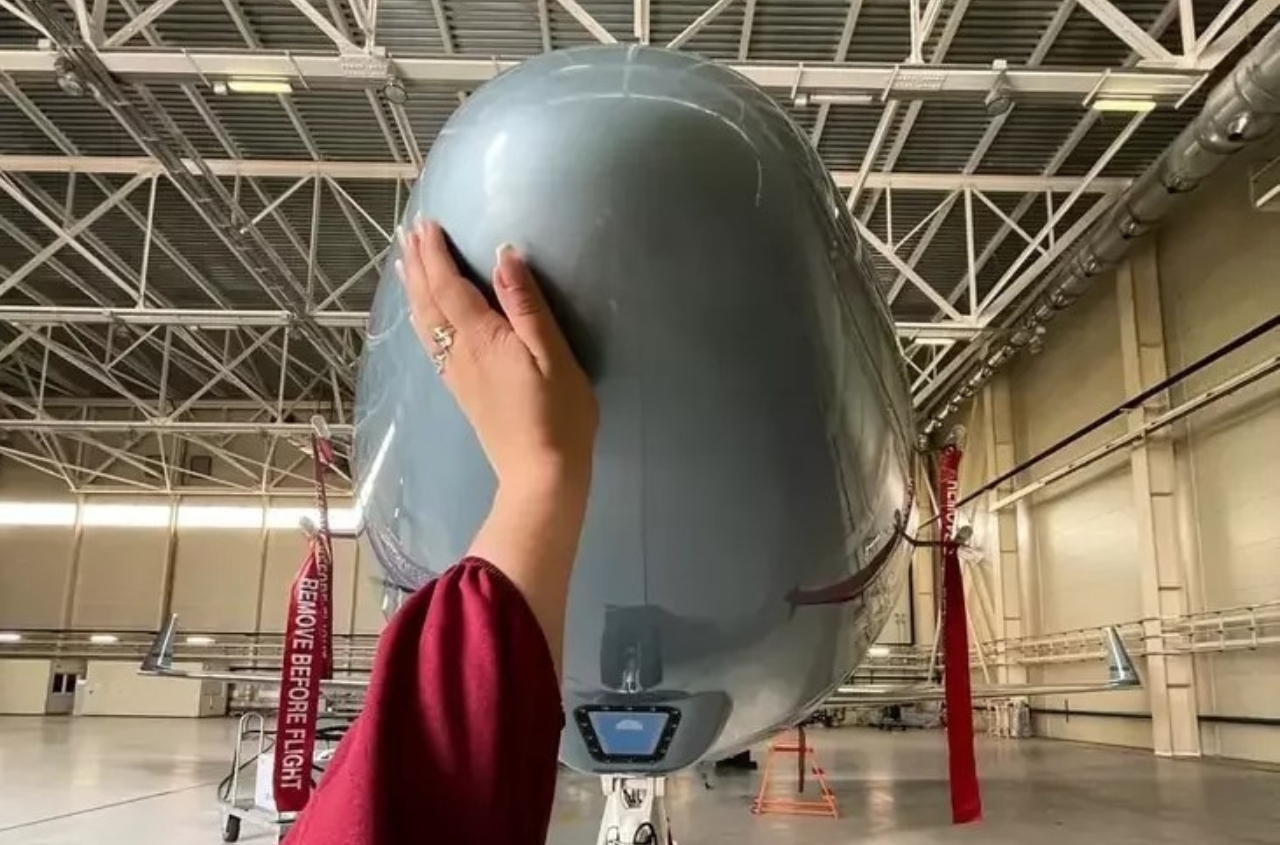
Since May 2022, Leonova oversaw procurement and supply schemes, including cockpit windows for Airbus valued at approximately $58,500, a meteorological radar for the Bombardier Global 6000 for around $295,000, and two shipments of fan blade pairs for the Airbus A321 totaling nearly $398,000. The total value of aviation parts she helped transfer to Russia exceeds $2 million.
Leonova was detained in France about a year ago at the request of U.S. authorities. Details of her previous work are unclear, but by mid-2023 she may have already left the company where she worked. In November 2025, she was officially extradited to the United States. She faces charges of conspiracy to violate export laws, smuggling, and money laundering.
Yana Leonova was born in Vitebsk but received higher education in Russia, graduating from the Moscow Technological Institute in 2016. Afterward, she worked at the major Kazakh airline SCAT and obtained a residence permit in Shymkent valid until 2027. On social media, she described herself as a “girl with an iron character” and a specialist in aviation logistics.
In 2021, Leonova began working as a logistics technician at the Moscow-based company Severo-Zapad Technics. The company and its subsidiaries were placed under U.S. sanctions in December 2023 for illegally procuring equipment for Russian aviation after the war began.
Investigators believe her actions contributed to maintaining the operational capacity of Russia’s aviation fleet under international isolation.