


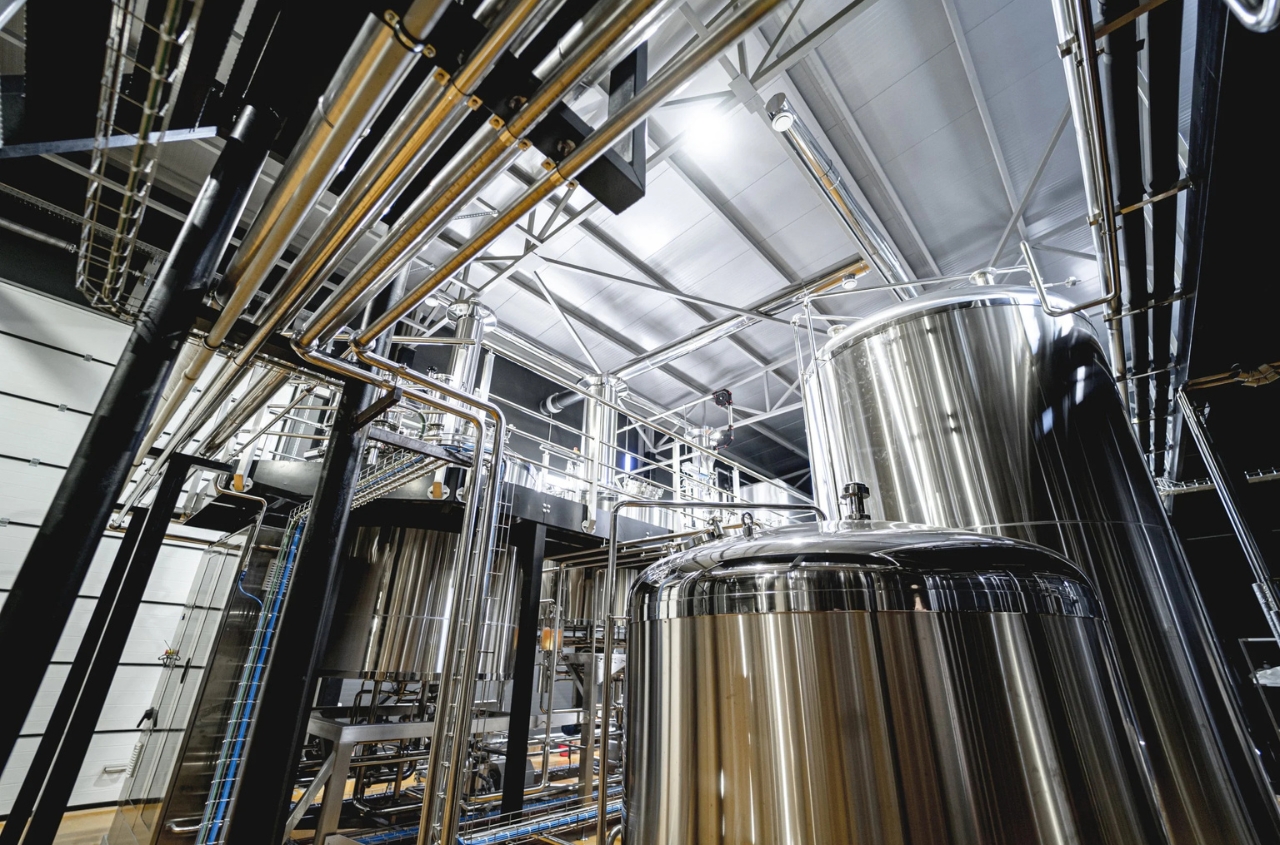

In Ukraine, around 1 million tons of corn-to-bioethanol processing capacity are currently being built exclusively within industrial parks, which will require 3 million tons of corn annually, Ukrainian Bioethanol Producers Association director Taras Mykolaienko said.
“Whenever a new industrial park is being established, every second one includes bioethanol production. Just the capacities that are now laying foundations total 1 million tons. Converted into corn, that requires 3 million tons. So, under an optimistic scenario with full utilization, all this corn will be processed here,” he said at the “Doing Agribusiness in Ukraine” conference in Kyiv on Thursday, reports Interfax.
Mykolaienko noted that Europe consumes 6 million tons of bioethanol per year, meaning Ukrainian bioethanol could definitely be exported to the EU. Under an updated trade agreement, the EU initially planned a quota of 100,000 tons for Ukraine, which was increased to 125,000 tons through negotiations. The industry plans to raise it to 300,000 tons in 2026.
He also reminded that, starting July 2026, a bill registered in the Verkhovna Rada in July 2025 will mandate the addition of over 7% bioethanol to fuel in Ukraine, ideally reaching 10%. The same requirement will apply to imported fuel, increasing domestic bioethanol consumption.
Additionally, Mykolaienko said the industry association plans to protect the domestic market in 2026.
“We face not only EU quotas but also technical regulations—real non-trade barriers that work well. If necessary, Europeans can stop exports. We plan to develop similar mechanisms, implement a domestic ecological certification system, and also protect the Ukrainian market,” he concluded.