


In 2026, Russian disinformation and propaganda continue to actively exploit the names of reputable Western organizations to mask their fabrications, according to Postimees.
A video circulating on social media was disguised as material from the U.S.-based Institute for the Study of War (ISW). It falsely claims that European politicians are allegedly planning a series of terrorist attacks and acts of sabotage in their own countries to blame Russia and justify further defense funding. Journalists’ verification showed that the video is entirely fake, designed to spread fear and increase polarization in Estonian society and other EU countries.
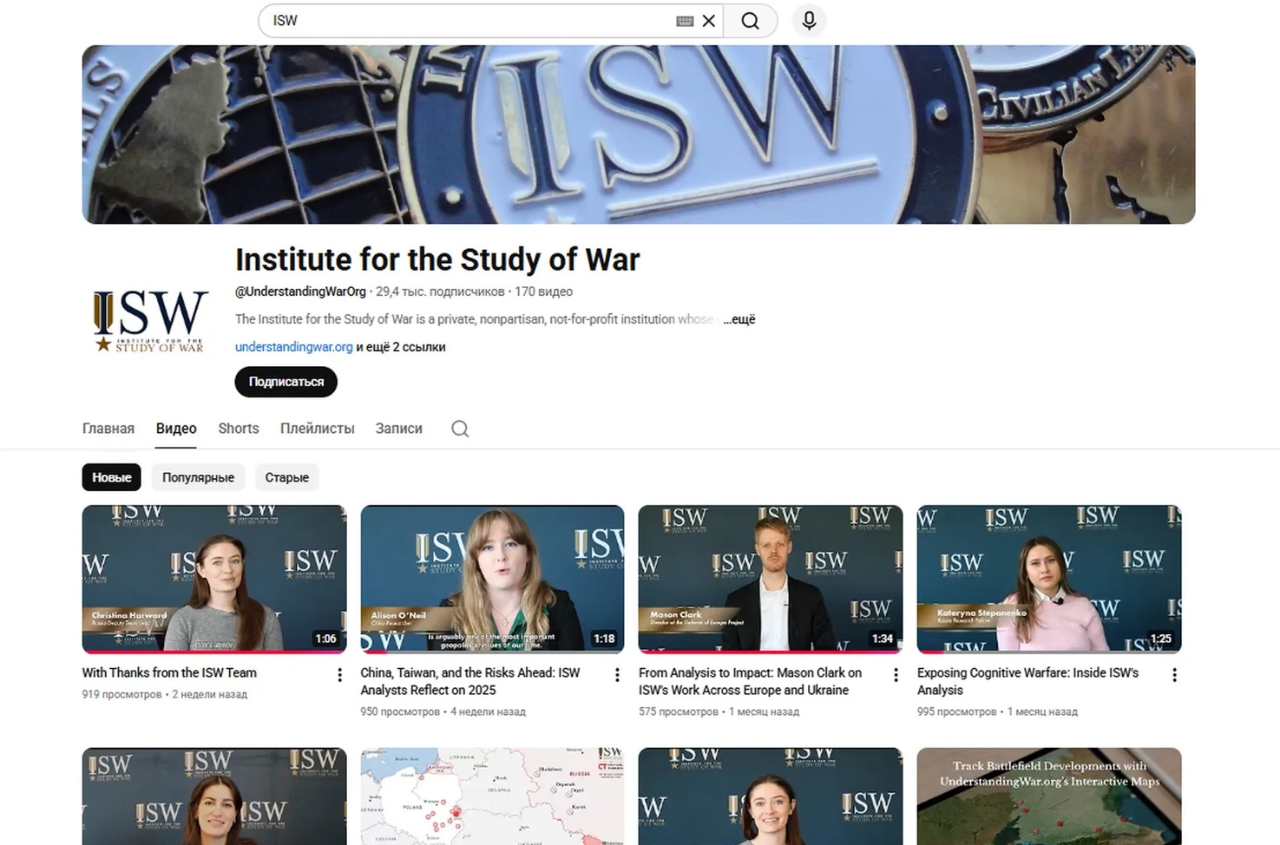
The 47-second fake begins and ends with original clips from ISW videos, but the main portion consists of slides claiming, without evidence, that sources close to the EU leadership warned of planned provocations. Captions under photos of EU leaders, Ukrainian officials, and Donald Trump suggest that European leaders themselves are behind the attacks. The video also attempts to discredit Western policies, portraying the U.S. military raid in Venezuela as an example of double standards that supposedly hinder European propaganda from demonizing Russia. The technical metadata provides no creator information, and no such material appears on ISW’s official channels, including their YouTube account.
The video was first posted by the Telegram channel “Shaman Rahu,” which has over 30,000 followers and regularly spreads pro-Kremlin and conspiratorial narratives. The channel is run by Dmitry Valeryevich Kochetkov, who calls himself a writer and reserve captain, and is known to have received medals from the Russian Ministry of Defense for supporting military actions against Ukraine. This is not the first time ISW’s brand has been misused: in December 2025, a similar fake claimed a Ukrainian connection to an Australian attack, and in May, a fabricated video falsely suggested that President Zelensky had demanded a 30-day ceasefire due to record-high losses.
Analysis of the January fake revealed several key inconsistencies. Original ISW videos always feature a live speaker, while the fake is merely a slideshow of photographs. The creators also made an error in the credits, using an old “Donate Today” prompt that ISW stopped using on December 1, 2025, replacing it with new backgrounds and text. ISW has previously commented on such incidents, stating that they are aware of videos illegally using their brand and falsely attributing statements to analysts. The organization urges audiences to verify all assessments only through official channels.
According to Marek Kohva, program director at the International Centre for Defence Studies, the purpose of these fakes is to borrow the authority of a familiar name. The videos are made well enough for rapid consumption on social media: short format, emotional claims, and AI-generated voices help them bypass superficial checks and cast doubt on the truth. Kohva notes that while identifying the specific creator is difficult, the operation is strategically directed by the Russian state — the Kremlin, the Ministry of Foreign Affairs, and security services — and funded through a network of contractors.
The main targets of this disinformation are major European countries such as Germany, France, and Poland, as well as neighboring states including Estonia, Lithuania, and Finland, where security topics are most likely to cause anxiety and undermine trust in government institutions. Experts recommend defending against such fakes by checking videos on official websites, verifying information in written reports, and paying attention to technical editing flaws. In response, Estonia is establishing a parliamentary commission to study Russian influence, aiming to protect society from external destabilization and strengthen public trust in government.