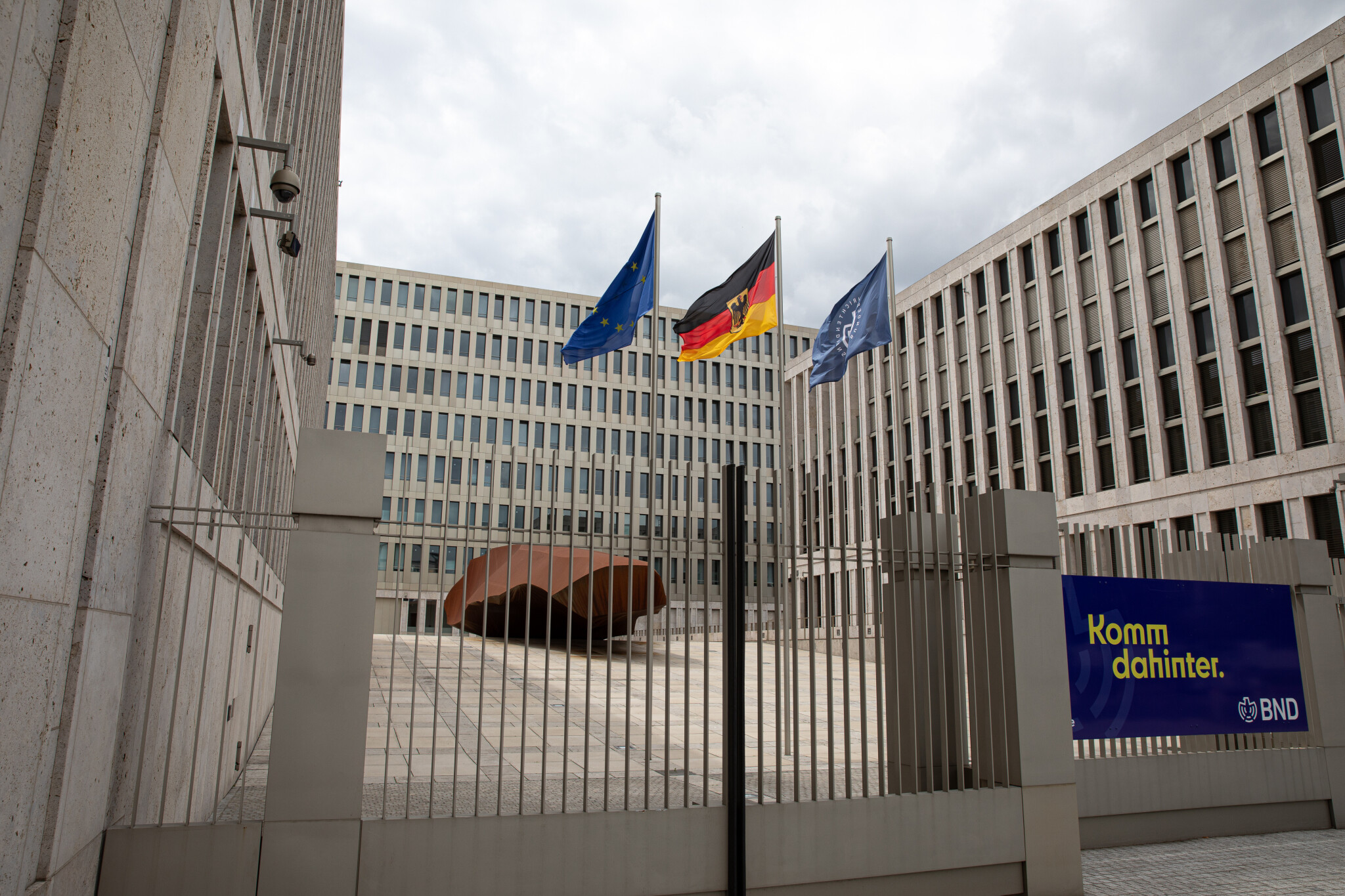


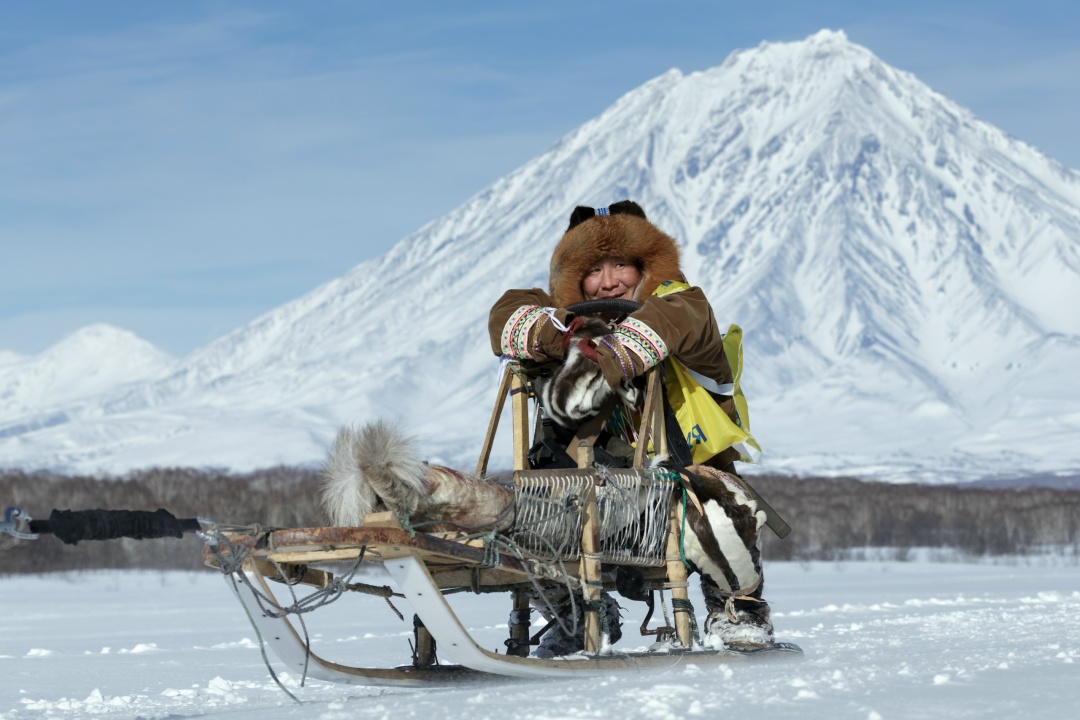

The Kremlin is steadily increasing pressure on Russia’s small indigenous peoples, combining repression, control over the international narrative, and disproportionate involvement in the war against Ukraine.
In December of last year, Russian security forces detained at least 17 representatives of indigenous peoples from the Altai and Sakha republics, the Tomsk, Murmansk, and Kemerovo regions, as well as the Krasnoyarsk Territory. All of them have spent years defending the rights of their communities in the Russian North, Siberia, and the Far East. Previously, these activists spoke at a UN environmental forum, publicly addressing environmental degradation, the loss of opportunities for traditional livelihoods, and the effective extinction of their peoples. These statements sharply contrast with the Kremlin’s official rhetoric about a “multinational state,” in which the languages, cultures, and traditions of over 190 peoples are supposedly preserved.
To promote a controlled narrative, Moscow turned the “Association of Small Indigenous Peoples of the North, Siberia, and the Russian Far East” into a fully loyal structure. From 2013 to 2025 it was headed by State Duma deputy Grigory Ledkov, and later by Senator Alexey Sitnikov. Delegates from this organization represent only the Kremlin-approved version of “harmonious coexistence” at international forums, while publicly supporting the war against Ukraine. This position contradicts the views of 172 human rights organizations working with Russia’s small peoples, which are part of the international movement “Forum of Free Post-Russia States,” designated as “terrorist” and banned by the Russian Supreme Court.
Alongside repression of activists, indigenous peoples are facing physical destruction due to the war. In Khabarovsk Krai, the population before the full-scale invasion numbered 1.29 million, including 21,129 members of indigenous groups such as the Nanai, Negidals, Nivkh, and Orochi. During mobilization, for every 10,000 residents, 34 ethnic Russians and 95 members of indigenous peoples were sent to the front—a disproportion that further increases the risk of their disappearance.